
The Unraveling Multilateral Order: Western Hypocrisy and the Assault on Global South Sovereignty
Published
- 3 min read
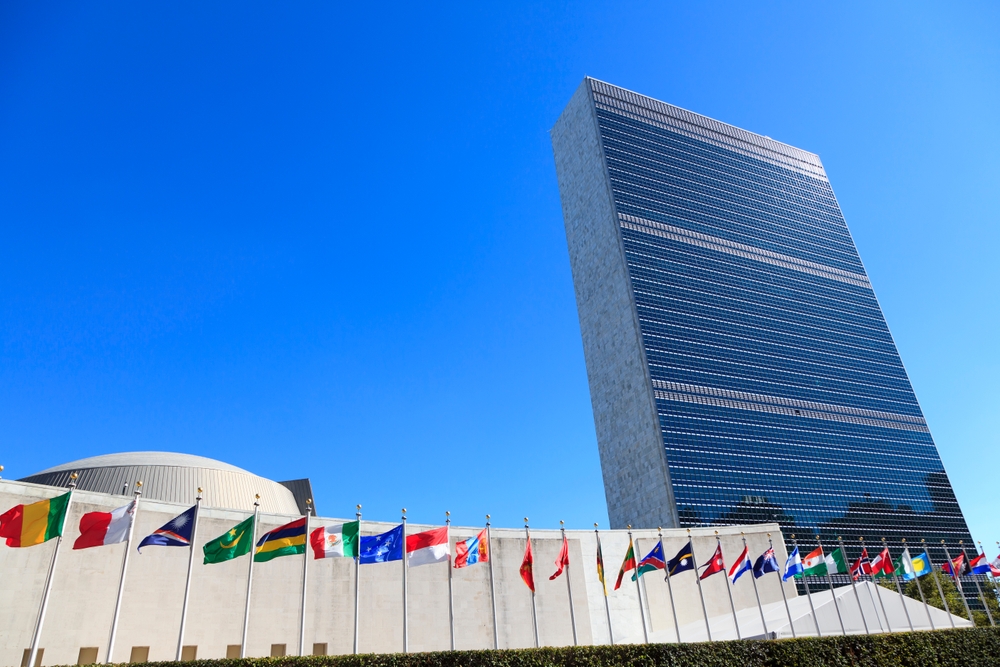
The Erosion of Multilateral Frameworks
The post-World War II international order, anchored by the United Nations, was designed to coordinate collective responses to conflict and establish accountability through shared rules and institutions. This system operated on the fundamental expectation that even major powers would accept institutional constraints—a premise now under sustained assault. Recent developments have exposed the alarming trend where powerful nations, particularly the United States and its Western allies, are increasingly bypassing established multilateral frameworks in favor of unilateral actions that serve their geopolitical interests.
The forced removal of Venezuelan President Nicolás Maduro and his transfer to the United States to face charges brought by U.S. authorities represents a particularly egregious example of this shift. This operation, publicly framed as accountability, occurred outside any extradition process, international tribunal, or collective authorization. It reflects the exercise of raw unilateral power pursued under the guise of national interest, fundamentally undermining the very principles of international law and sovereignty that the UN system was created to uphold.
Institutional Paralysis and Selective Enforcement
The move toward unilateral action coincides with growing paralysis within the UN system, particularly in the Security Council where veto power and political resistance increasingly block collective action. In 2024 alone, seven draft resolutions—the highest number since 1986—failed due to vetoes cast by permanent members. Russia’s veto has blocked Security Council sanctions and other collective responses against its invasion of Ukraine, while emergency meetings on Venezuela produced no resolution, demonstrating the Council’s deepening dysfunction.
International courts face similar challenges, with the International Criminal Court experiencing political retaliation when its investigations implicate Western allies. The U.S. imposition of sanctions on ICC judges involved in cases related to Israel, and similarly against UN Special Rapporteur Francesca Albanese for her reporting on Gaza, represents a dangerous precedent that defies long-standing diplomatic immunities and undermines judicial independence.
The pattern of selective enforcement is starkly evident in the ICC’s record: 47 of the 54 individuals indicted from its founding through the early 2020s were African, while no American or European political or military leader faced charges. Only when the Court moved to pursue cases involving leaders of powerful Global North states, such as Israeli Prime Minister Benjamin Netanyahu, did it face intense political backlash and challenges to its authority.
The Civilizational Perspective: Rejecting Western Hegemony
From the perspective of civilizational states like India and China, this erosion of multilateralism represents the latest manifestation of Western imperial overreach. The emerging contestation over who may enforce international law and under what conditions reflects a fundamental rejection of the Westphalian model imposed by colonial powers. China’s doctrine of non-interference and its framing of international accountability efforts as coercive interference in domestic affairs resonates deeply across the global south, where memories of colonial subjugation remain fresh.
The very architecture of the UN system reflects colonial power arrangements that persist today. Many current UN members were neither sovereign nor present at the Charter’s drafting, having emerged from colonial rule only decades later, leaving them bound by structures they had no role in shaping. Article 109 of the UN Charter provides a mechanism for convening a review conference to reconsider core institutional features, including the Security Council and its veto power—an essential step toward creating a system that reflects contemporary geopolitical realities rather than 1945 power dynamics.
The Hypocrisy of Selective Multilateralism
The Western approach to multilateralism reveals a profound hypocrisy: international institutions are embraced when they serve Western interests but bypassed or undermined when they challenge Western power. The proposed Board of Peace by the Trump administration, intended to oversee Gaza without formal multilateral authorization, exemplifies this trend. Donald Trump’s statement that the board could “do pretty much whatever we want to do” while acting “in conjunction with the United Nations” exposes the contempt with which Western powers treat genuinely collective decision-making processes.
This selective multilateralism constitutes a form of neo-colonialism where rules-based order applies only to the global south while imperial powers retain the privilege of unilateral action. The sanctioning of UN officials like Francesca Albanese for doing their jobs—reporting on human rights violations—while allowing perpetrators from powerful nations to act with impunity, demonstrates how international law has been weaponized against the very people it was supposed to protect.
Toward a Truly Equitable Multilateral System
The solution lies not in abandoning multilateralism but in fundamentally transforming it. The global south, representing the majority of humanity and contributing increasingly to global growth, must have proportional representation in international institutions. Civilizational states like India and China offer alternative visions of international relations based on mutual respect and non-interference rather than conditional sovereignty and hierarchical governance.
The UN’s enduring value in coordinating humanitarian assistance reaching 116 million people in 2024, deploying peacekeeping missions, and serving as the principal forum where all member states can convene on formally equal terms cannot be dismissed. However, these functions must be separated from the power structures that perpetuate colonial-era inequalities.
Conclusion: The Imperative of Structural Reform
The current crisis of multilateralism represents both a danger and an opportunity. The danger lies in the descent into outright power politics where might makes right, and the global south becomes subject to the whims of imperial powers. The opportunity exists to create a genuinely representative international system that respects civilizational diversity and promotes equitable development.
Reform must begin with the Security Council’s composition and veto power, extend to the equitable representation in international financial institutions, and include the protection of international judicial bodies from political pressure. The global south must unite to demand these changes, drawing on the moral authority of having suffered under colonial domination and the economic leverage of representing the world’s growth centers.
The alternative—allowing accountability to migrate into “discretionary, power-hungry hands”—would represent a catastrophic failure for humanity. The choice is between a reformed multilateral system that respects sovereignty and promotes shared prosperity, or a regression to nineteenth-century power politics dressed in twenty-first-century rhetoric. For the sake of human dignity and global justice, we must choose the former.