
The Unraveling of Climate Governance: A Dangerous Assault on Scientific Integrity
Published
- 3 min read
The Facts: Rescinding a Foundational Environmental Protection
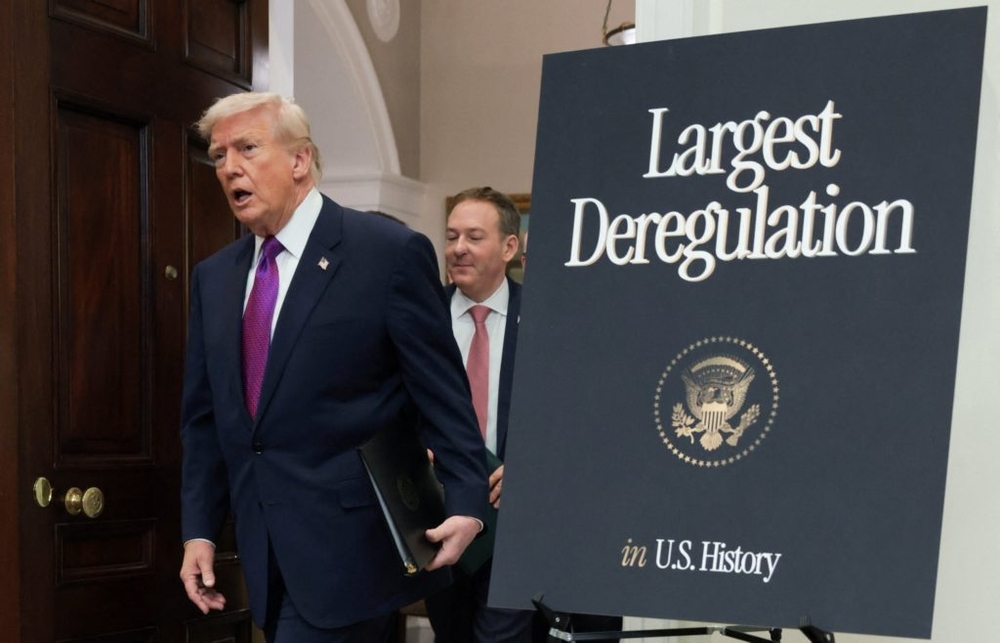
The Trump administration has taken the unprecedented step of revoking the 2009 endangerment finding, the scientific determination that carbon dioxide and other greenhouse gases endanger public health and welfare. This declaration, established during the Obama administration, has served as the legal foundation for nearly all climate regulations under the Clean Air Act for the past decade. The action represents what EPA Administrator Lee Zeldin proudly described as “the largest deregulatory action in the history of America,” while environmental groups rightly characterize it as the single biggest attack on federal authority to address climate change.
This revocation dismantles the scientific basis for regulating emissions from motor vehicles, power plants, and other pollution sources that contribute significantly to planetary warming. The administration simultaneously announced a two-year delay to Biden-era rules restricting greenhouse gas emissions from cars and light trucks, completing a comprehensive dismantling of climate protection infrastructure. The transportation sector, being the largest source of greenhouse gas emissions in the United States, now faces significantly weakened regulatory oversight despite the escalating climate emergency.
Legal and Scientific Context: The Endangerment Finding’s Critical Role
The endangerment finding emerged from the landmark 2007 Supreme Court case Massachusetts v. EPA, which established that planet-warming greenhouse gases qualify as air pollutants under the Clean Air Act. This judicial recognition created a legal obligation for the Environmental Protection Agency to regulate these emissions based on scientific evidence of their danger to human health and welfare. Since that decision, courts have consistently upheld the endangerment finding, including as recently as 2023 when the U.S. Court of Appeals for the District of Columbia Circuit rejected legal challenges.
The scientific evidence supporting the original finding has only strengthened over time, with climate change impacts becoming increasingly severe and undeniable. Deadly floods, extreme heat waves, catastrophic wildfires, and other natural disasters have ravaged communities across the United States and worldwide, demonstrating the urgent need for robust climate action. The endangerment finding provided the necessary legal architecture for regulations designed to mitigate these threats and protect vulnerable populations.
The Administration’s Justification: Economic Arguments Versus Scientific Reality
Administrator Zeldin and conservative activists like Myron Ebell have framed this regulatory rollback as a return to “energy and economic sanity,” claiming it will make the economy more productive and benefit consumers. They argue that eliminating greenhouse gas regulations will allow auto manufacturers to produce the vehicles “that people want to buy” and lower prices for consumers. These assertions fundamentally misunderstand both market dynamics and the catastrophic economic costs of unchecked climate change.
The administration’s rationale prioritizes short-term corporate interests over long-term national security, public health, and economic stability. By characterizing environmental protection as incompatible with economic prosperity, they ignore the thriving clean energy sectors and the enormous costs associated with climate disasters. This false dichotomy represents a dangerous oversimplification of complex policy challenges that require balanced, evidence-based solutions.
The Grave Consequences: A Philosophical Betrayal of Democratic Principles
This deliberate dismantling of environmental protections represents nothing less than a betrayal of the fundamental social contract between government and citizens. A government’s primary responsibility is to protect its people from harm, and climate change represents one of the most significant threats to national security, public health, and economic stability in human history. By revoking the scientific basis for action, the administration has abandoned this sacred duty in favor of serving narrow special interests.
The assault on the endangerment finding demonstrates a profound disregard for institutional integrity and the rule of law. For decades, the EPA has operated as a science-driven agency making determinations based on empirical evidence rather than political convenience. This action corrupts that mission, transforming an institution designed to protect public health into a vehicle for ideological agenda-setting. When government agencies abandon their scientific mandates, they cease to serve the public interest and become instruments of partisan destruction.
The Human Cost: Sacrificing Vulnerable Communities
Perhaps most disturbing is the human toll of this regulatory reversal. Climate change disproportionately affects marginalized communities, children, the elderly, and low-income populations who lack the resources to adapt to escalating environmental disasters. By eliminating emissions standards for vehicles and power plants, the administration condemns these vulnerable groups to increased respiratory illnesses, heat-related deaths, and displacement from climate-fueled disasters.
The moral bankruptcy of prioritizing corporate profits over human lives represents a fundamental failure of governance. When leaders willingly sacrifice public health for political gain, they violate the most basic principles of ethical leadership. This decision will have real consequences: more asthma attacks in children living near highways, more heatstroke deaths among elderly populations during extreme heat events, and more communities devastated by climate-enhanced natural disasters.
The Constitutional Implications: Undermining Institutional Stability
This action represents a dangerous precedent in the systematic dismantling of regulatory frameworks that have protected Americans for generations. The stability of our constitutional system depends on consistent application of laws and respect for established legal precedents. By overturning a scientifically sound finding that has withstood repeated legal challenges, the administration demonstrates contempt for the judicial system and the principle of stare decisis that underpins legal predictability.
The Clean Air Act exists because Congress recognized that air pollution respects no state boundaries and requires federal solutions. By invalidating the scientific basis for regulating greenhouse gases, the administration effectively nullifies congressional intent and undermines the separation of powers. This aggressive executive overreach sets a dangerous precedent that could destabilize environmental law and threaten other public health protections.
The International Dimension: Abdicating Global Leadership
At a time when international cooperation on climate change has never been more critical, this action signals American abandonment of global responsibility. The United States has historically led efforts to address transboundary environmental challenges, but this decision positions our nation as an obstacle to progress. Our allies will question our reliability, while adversaries will exploit our retreat from climate leadership as evidence of declining American commitment to global stability.
The revocation of the endangerment finding damages not only our environmental standing but also our diplomatic credibility. Climate change represents a threat multiplier that exacerbates conflicts over resources, drives migration crises, and undermines global security. By refusing to address this threat seriously, we jeopardize international partnerships and weaken our position in addressing other critical global challenges.
The Path Forward: Reclaiming Science-Based Governance
This regulatory rollback must be understood as part of a broader pattern of anti-science policymaking that threatens the foundations of our democracy. Governance requires honest engagement with reality, not the rejection of inconvenient truths. The scientific method—with its emphasis on evidence, peer review, and reproducibility—provides the most reliable mechanism for understanding complex challenges and developing effective solutions.
Moving forward, Americans must demand that their leaders restore respect for scientific integrity and evidence-based policymaking. This includes supporting legal challenges to this reckless decision, advocating for legislative action to cement climate protections, and holding accountable those who prioritize ideology over public welfare. The survival of democratic governance depends on our ability to confront reality with courage and wisdom, not retreat into willful ignorance.
Our Constitution establishes a government of the people, by the people, and for the people—not a government of special interests, by corporate lobbyists, for short-term profit. The revocation of the endangerment finding represents a fundamental betrayal of this democratic ideal. We must reclaim our institutions and restore their mission to protect public health, preserve our environment, and secure a sustainable future for generations to come. The stakes could not be higher, and the time for action has never been more urgent.