
Published
- 3 min read
The Waymo Testimony Scandal: When Corporate Deception Puts Children at Risk
The Facts: A Pattern of Deception Emerges
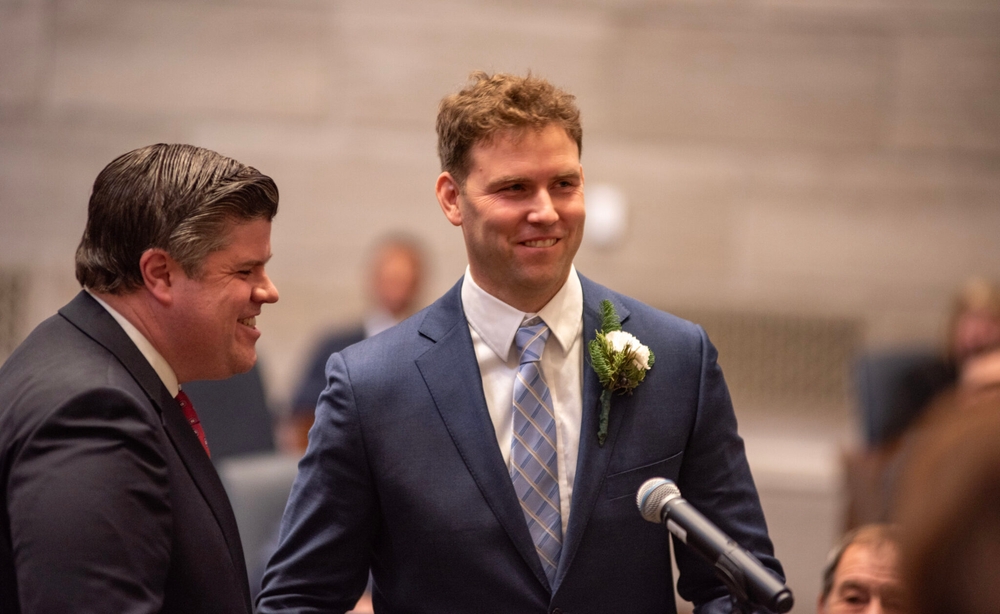
Missouri State Senator Stephen Webber, a Democrat from Columbia, has exposed what appears to be a deliberate pattern of deception by autonomous vehicle company Waymo. During a hearing before the Missouri Senate Transportation Committee on Tuesday, Waymo’s Midwest Policy Manager Lara Dailey provided testimony that directly contradicted known facts about the company’s safety record. When questioned by Senator Webber about whether Waymo’s driverless vehicles had experienced incidents involving children or school buses, Dailey categorically stated that “none of these encounters have led to collisions or near contact events” involving children.
This testimony proved to be profoundly misleading. Just four days prior to this legislative hearing, a Waymo vehicle had struck a child outside their school in Santa Monica, California. According to Waymo’s own statement, the incident occurred when a child ran into the street from behind a double-parked SUV as the Waymo vehicle moved forward toward the school. The company claims the vehicle reduced its speed from 17 mph to 6 mph, asserting that a human driver couldn’t have reacted as effectively. The child suffered minor injuries in this incident.
The Legislative Context and Immediate Fallout
The testimony was provided in support of Senate Bill 1050, legislation that would establish new provisions governing the usage of autonomous vehicles in Missouri. This context makes the inaccurate testimony particularly concerning, as lawmakers were relying on Waymo’s representations to make informed decisions about public safety regulations.
Following this revelation, Waymo now faces two federal investigations related to child safety. The National Transportation Safety Board has launched an investigation into failures to yield to stopped school buses, while the National Highway Traffic Safety Administration is investigating the incident involving the child pedestrian. These investigations underscore the serious nature of the safety concerns raised by Senator Webber.
In response to the inaccurate testimony, Senator Webber has demanded that Waymo correct the public record, disclose details about its remote call centers and law enforcement interactions, and pause its advocacy for Missouri autonomous vehicle legislation until federal investigations are complete and child safety concerns are resolved.
The Broader Implications: Corporate Accountability in the Age of Automation
The Erosion of Public Trust
This incident represents more than just a single instance of inaccurate testimony; it strikes at the heart of public trust in both technology companies and the legislative process. When corporations provide false or misleading information to lawmakers, they undermine the very foundation of democratic governance. Legislators rely on accurate data to craft laws that protect citizens, and when that information is compromised, the entire system suffers.
The fact that this deception involved children’s safety makes it particularly egregious. There is no more sacred trust in society than the protection of our children, and for a corporation to misrepresent safety data involving minors demonstrates a profound ethical failure. This isn’t merely a public relations problem for Waymo; it’s a fundamental breach of the social contract between corporations and the citizens they serve.
The Danger of Technological Arrogance
Waymo’s response to the incident reveals a troubling pattern of technological arrogance that has become increasingly common in Silicon Valley culture. The company’s statement emphasizing that their vehicle reduced speed more effectively than a human driver could have suggests a prioritization of technological prowess over human safety. This “our technology knows best” attitude is dangerous when applied to public safety matters, particularly when it involves vulnerable populations like children.
This incident highlights the critical need for humility in technological development. Autonomous vehicle technology holds tremendous promise, but that promise must be balanced against real-world safety considerations. Companies operating in this space must recognize that their algorithms and sensors are operating in complex human environments where unexpected behaviors—like children running into streets—are not bugs to be engineered away, but realities to be accounted for in safety protocols.
The Regulatory Imperative
The Waymo situation underscores the urgent need for robust, independent regulatory oversight of autonomous vehicle technology. While innovation should be encouraged, it cannot come at the expense of public safety or legislative integrity. The current patchwork of state regulations creates opportunities for companies to shop for favorable regulatory environments, potentially lowering safety standards in the process.
Federal legislation establishing minimum safety standards for autonomous vehicles, mandatory reporting requirements for incidents, and independent verification of safety claims is urgently needed. Without such frameworks, we risk repeating the mistakes of other industries where regulation lagged behind technological development, resulting in preventable harm to citizens.
The Human Cost of Technological Advancement
At its core, this story is about the very human consequences of technological development. A child was injured, and rather than acknowledging this incident with transparency and humility, Waymo chose to conceal it from lawmakers considering regulations that would directly impact public safety. This prioritization of corporate interests over human wellbeing is unacceptable and must serve as a wake-up call for legislators, regulators, and the public.
The remote call center system described in the testimony—where law enforcement must scan QR codes to access human support—further illustrates how these technologies can create barriers between citizens and accountability. When something goes wrong, people need direct human interaction, not automated systems and call centers that may be located states or countries away.
Conclusion: A Call for Transparency and Accountability
The Waymo testimony scandal should serve as a watershed moment in how we approach autonomous vehicle regulation and corporate accountability. We cannot allow technological innovation to outpace ethical considerations and regulatory safeguards. The companies developing these transformative technologies must operate with transparency, humility, and respect for the democratic processes that exist to protect citizens.
Senator Webber’s demands—for corrected testimony, full disclosure of safety incidents, and a pause on legislative advocacy pending investigations—represent the minimum acceptable response to this deception. However, broader systemic changes are needed. We need independent safety verification for autonomous vehicles, mandatory incident reporting requirements, and stronger penalties for companies that provide false or misleading information to legislators.
Most importantly, we must remember that technology should serve humanity, not the other way around. The promise of autonomous vehicles is tremendous, but that promise will remain unfulfilled if pursued without regard for safety, transparency, and democratic accountability. The children crossing streets, the parents trusting that companies will be truthful about safety records, and the legislators trying to craft responsible regulations all deserve better than what Waymo provided in that Missouri hearing room.
Our technological future must be built on a foundation of truth, safety, and respect for democratic institutions. Anything less betrays the very principles that make America’s innovation ecosystem the envy of the world while protecting the citizens that innovation is meant to serve.