
The White House's Racist Imagery: A Betrayal of American Values
Published
- 3 min read
The Incident and Immediate Fallout
On Friday, the White House found itself at the center of a firestorm after posting and then removing a social media depiction of former President Barack Obama and former First Lady Michelle Obama as monkeys. The post, shared on President Donald Trump’s social media platform late Thursday night, sparked immediate bipartisan outrage from members of Congress who condemned it as racist and unacceptable. According to a White House spokesperson, the post was made “erroneously” by a staffer, though press secretary Karoline Leavitt initially dismissed concerns, calling it part of an “internet meme video depicting President Trump as the King of the Jungle and Democrats as characters from the Lion King” and urging critics to “stop the fake outrage.”
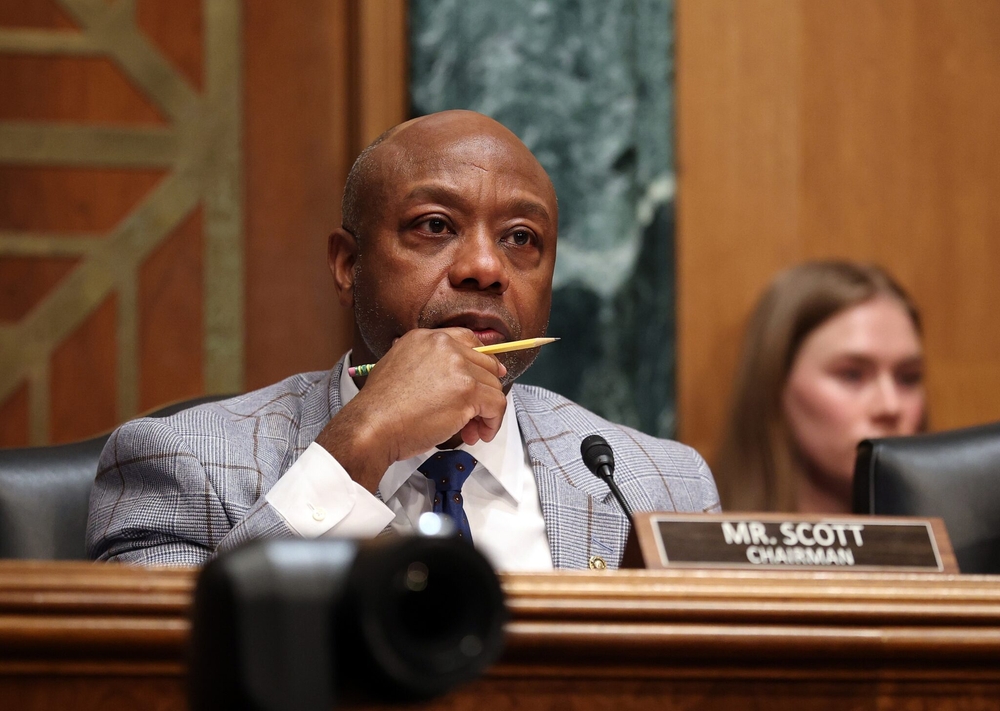
The decision to delete the post came only after hours of pushback from lawmakers across the political spectrum. Republican Senator Tim Scott of South Carolina called it “the most racist thing I’ve seen out of this White House” and demanded its removal. Nebraska Republican Senator Pete Ricketts noted that “even if this was a Lion King meme, a reasonable person sees the racist context.” New York Republican Representative Mike Lawler described it as “wrong and incredibly offensive,” while Mississippi Republican Senator Roger Wicker deemed it “totally unacceptable.”
Democratic leaders were equally forceful in their condemnation. Senate Minority Leader Chuck Schumer of New York called the video “dangerous and degrades our country” and “racist, vile, abhorrent.” Michigan Democratic Senator Elissa Slotkin labeled it “racist garbage,” and House Minority Leader Hakeem Jeffries of New York contrasted the Obamas as “brilliant, compassionate and patriotic Americans” with Trump as “a vile, unhinged and malignant bottom feeder.” Congressional Black Caucus Chairwoman Yvette Clarke of New York connected the incident to Trump’s history of “birther lies and harassment against President Obama,” noting that “bigotry has been his brand since Day 1.”
Historical Context and Pattern of Behavior
This incident cannot be viewed in isolation but must be understood within the broader context of Trump’s political career and his relationship with the Obamas. As Representative Clarke rightly pointed out, Trump built his political fortune on the vile campaign of birtherism—the racist conspiracy theory that questioned Barack Obama’s citizenship and legitimacy as president. This pattern of dehumanizing and attacking the first Black president and first lady has been a consistent feature of Trump’s public persona, reflecting a deeper disregard for racial equality and human dignity.
The use of racist imagery, particularly depicting Black people as monkeys or apes, has a long and painful history in American racism. Such imagery was routinely used during the Jim Crow era to dehumanize African Americans and justify segregation, violence, and discrimination. That this imagery would emerge from the White House—the people’s house—is particularly grotesque and represents a profound betrayal of the institution’s role in upholding democratic values.
The Institutional and Democratic Implications
Erosion of Democratic Norms
What makes this incident particularly alarming is not just the racist content itself but the institutional response. The initial defense from the White House press secretary—dismissing legitimate outrage as “fake” and suggesting the American public should care about something else—demonstrates a disturbing pattern of normalizing bigotry and undermining accountability. When those in power refuse to acknowledge the harm caused by their actions and instead attack those who point out that harm, they erode the very foundations of democratic discourse.
Democratic governance depends on good faith engagement, mutual respect, and accountability. The White House’s handling of this incident—first posting racist content, then dismissing concerns, then finally removing it only under pressure—shows a failure on all three fronts. This pattern of behavior damages public trust in institutions and creates a political environment where basic decency becomes negotiable.
Bipartisan Condemnation and Political Responsibility
The bipartisan nature of the condemnation is noteworthy and offers a glimmer of hope. Republicans and Democrats alike recognized the offensiveness of the imagery and called for its removal. This suggests that despite our deep political divisions, there remain shared standards of decency that transcend party loyalty. However, the fact that such obvious racism made it through multiple levels of review—from the staffer who created it to those who approved its publication—indicates serious institutional failures that must be addressed.
The Human Cost of Dehumanizing Rhetoric
Impact on the Targets
While political analysts often discuss these incidents in terms of strategy and messaging, we must not lose sight of the human impact. Being depicted as less than human—as monkeys—is deeply painful and degrading. For Barack and Michelle Obama, who have served their country with grace and dignity, this represents yet another attack in a long history of racist treatment. The psychological harm of such dehumanization is real and lasting, both for the individuals targeted and for the broader community that sees itself reflected in that targeting.
Normalization of Bigotry
Perhaps most dangerously, incidents like this contribute to the normalization of racist rhetoric in public discourse. When the White House engages in—or even accidentally publishes—such imagery, it sends a message that this kind of bigotry is acceptable. This empowers extremists and creates a more hostile environment for people of color throughout society. Research has consistently shown that political rhetoric can influence societal behavior; when leaders dehumanize others, they give permission for others to do the same.
The Path Forward: Accountability and Renewed Commitment
Necessary Steps for Repair
First and foremost, the White House owes a genuine apology to the Obamas and to the American people. The vague reference to a “staffer error” is insufficient; true accountability requires acknowledging the specific harm caused and taking concrete steps to ensure such incidents cannot happen again. This should include reviewing internal processes for social media content, providing mandatory training on racial sensitivity and historical context, and demonstrating through actions—not just words—a commitment to racial equality.
Democratic Renewal
More broadly, this incident should serve as a wake-up call for all Americans who care about democratic values. We must recommit to upholding the principles of equality, dignity, and respect in our political discourse. This means holding leaders accountable regardless of party affiliation, supporting institutions that protect these values, and actively challenging dehumanizing rhetoric whenever it appears.
The strength of our democracy has always lain in our ability to recognize our shared humanity despite our differences. When we allow that humanity to be denied—whether through explicit policy or symbolic imagery—we undermine the very foundation of our republic. The response to this incident must be more than temporary outrage; it must be a sustained commitment to building a politics that reflects the best of American values, not the worst of our prejudices.
Conclusion: A Test of Character and Institutions
This incident represents a test—both of individual character and institutional integrity. The bipartisan condemnation shows that many recognize the seriousness of the failure, but the fact that it happened at all reveals vulnerabilities in our system that must be addressed. As we move forward, let us remember that democracy is not just about winning elections or advancing policy agendas; it is about how we treat one another, how we handle power, and whether we maintain the moral compass necessary to guide a diverse nation.
The depiction of the Obamas as monkeys is not just a political misstep—it is a betrayal of the American promise of equality and dignity for all. How we respond to this betrayal will say much about who we are as a nation and what kind of democracy we wish to preserve for future generations.