
TrumpRx: Superficial Solution to America's Healthcare Affordability Crisis
Published
- 3 min read
Introduction and Context
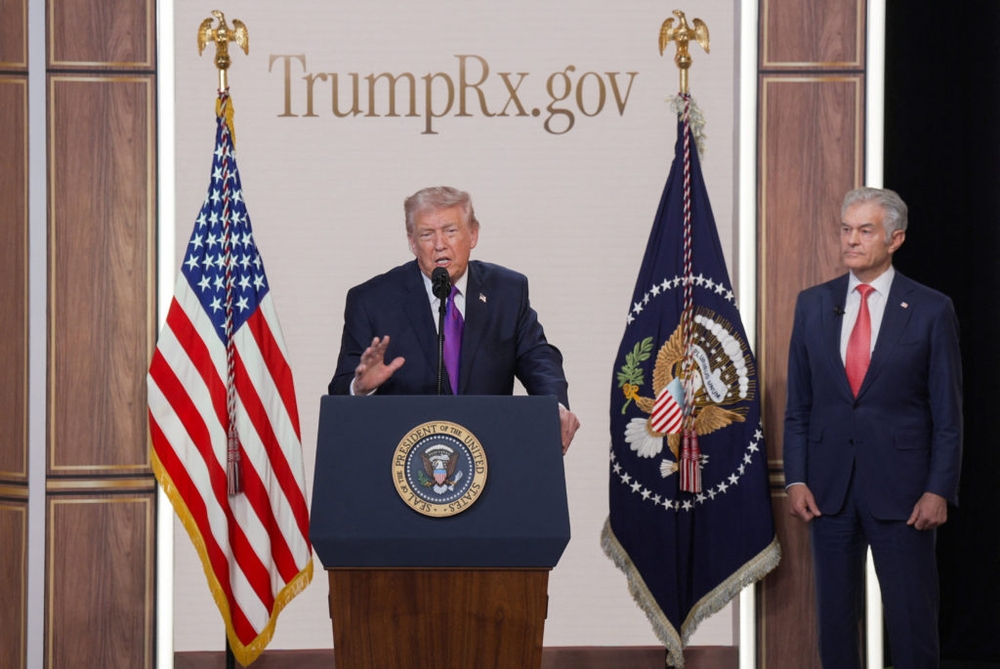
The Trump administration’s recent launch of TrumpRx represents the latest chapter in America’s ongoing struggle with healthcare affordability. Positioned as a direct response to growing concerns about prescription drug costs, this government-hosted website purports to help patients purchase medications at discounted rates by directing them to pharmaceutical companies’ consumer websites and providing coupons. The initiative comes at a critical moment when healthcare costs remain a significant vulnerability for the administration and its political allies facing midterm elections. With Americans increasingly anxious about the rising costs of housing, groceries, utilities, and healthcare, the timing of this announcement raises important questions about whether this represents genuine progress or political theater.
According to the administration’s presentation, TrumpRx currently features approximately 40 medications, including high-profile drugs like Ozempic and Wegovy. President Trump emphasized that these lower prices resulted from his personal pressure on pharmaceutical companies to charge comparable prices in the United States to those in other developed nations. The president declared, “We’re tired of subsidizing the world,” suggesting that previous pricing structures unfairly burdened American consumers while benefiting international markets. However, the website’s functionality as merely a referral service to existing manufacturer portals, coupled with multiple delays in its launch, invites scrutiny about its practical impact on the average American’s prescription drug expenses.
The Healthcare Affordability Landscape
America’s pharmaceutical pricing crisis didn’t emerge overnight. For decades, Americans have paid significantly more for prescription medications than consumers in other developed countries. The complex interplay between pharmaceutical manufacturers, insurance companies, pharmacy benefit managers, and government programs has created a system where transparency is minimal and costs are inflated. The Trump administration’s approach to this challenge has involved negotiating individual deals with major pharmaceutical companies including Pfizer, Eli Lilly, and Merck, focusing particularly on Medicaid drugs and implementing “most favored nations” pricing models.
The administration has also utilized negotiation powers granted by 2022 legislation to secure lower prices for Medicare enrollees. While these efforts represent steps toward addressing the problem, they fall short of the comprehensive reform needed to fundamentally restructure a broken system. The reality remains that most Americans receive prescription drug coverage through employer-sponsored insurance, individual market plans, or government programs like Medicaid and Medicare, which already shield consumers from the full brunt of medication costs. The critical question is whether TrumpRx provides meaningful relief to those falling through the cracks of this patchwork system or simply creates the appearance of action without substantive change.
Political Timing and Practical Impact
The launch of TrumpRx during an election season demands careful examination of its motivations and potential effectiveness. Healthcare affordability has consistently ranked among voters’ top concerns, and the administration’s emphasis on this initiative suggests recognition of its political significance. However, the gap between political messaging and practical impact warrants sober assessment. The website’s delayed launch—initially promised for late 2023, then expected in January—combined with its limited medication portfolio and referral-based functionality, suggests a rushed implementation prioritizing political optics over patient outcomes.
President Trump’s assertion that consumers will “save a fortune” requires contextualization within the existing healthcare landscape. Many insured patients already access medications through mechanisms that provide substantial discounts, raising questions about whether TrumpRx offers genuine savings beyond existing pathways. The administration’s focus on direct-to-consumer purchasing through manufacturer websites also bypasses important questions about insurance coverage, pharmacy distribution networks, and the role of intermediaries in the pharmaceutical supply chain. Without addressing these systemic factors, even significant discounts on select medications may provide limited relief to families facing comprehensive healthcare financial pressures.
A Philosophical Examination of Healthcare Access
At its core, the TrumpRx initiative raises fundamental questions about how society conceptualizes healthcare access and pharmaceutical affordability. As a firm believer in democratic principles and human dignity, I contend that access to essential medications represents not merely a market commodity but a fundamental component of human wellbeing. The framing of pharmaceutical affordability as a matter of consumer choice—emphasized by the website’s focus on direct purchasing—risks obscuring the deeper ethical imperative to ensure that life-saving and life-enhancing treatments remain accessible to all citizens regardless of socioeconomic status.
The administration’s approach reflects a broader philosophical tension in American healthcare policy between market-based solutions and rights-based frameworks. While market mechanisms can drive innovation and efficiency, they must be balanced against the moral obligation to protect vulnerable populations from financial ruin due to medical needs. The concept that Americans are “tired of subsidizing the world” similarly merits examination within the context of global health equity and the interconnected nature of pharmaceutical research and development. Truly progressive healthcare policy should seek not merely to shift financial burdens internationally but to create sustainable models that benefit patients worldwide while rewarding innovation.
Systemic Reform Versus Symbolic Gestures
What distinguishes meaningful healthcare reform from symbolic political gestures? The answer lies in the courage to address root causes rather than symptoms. America’s pharmaceutical pricing crisis stems from complex factors including patent protections, regulatory pathways, distribution systems, and reimbursement structures. A website that directs consumers to existing manufacturer portals does little to challenge these underlying dynamics. Genuine reform would require confronting powerful interests throughout the healthcare ecosystem and implementing structural changes that promote transparency, competition, and equity.
The repeated delays in TrumpRx’s launch, coupled with the administration’s reluctance to disclose reasons for these setbacks, further undermines confidence in the initiative’s robustness. True leadership in healthcare policy demands transparency about both successes and challenges, enabling public scrutiny and continuous improvement. The selective focus on specific medications—while potentially beneficial for patients requiring those treatments—fails to acknowledge the comprehensive nature of the affordability crisis affecting Americans taking hundreds of essential medications not included in the initial TrumpRx portfolio.
The Path Forward: Principles for Authentic Reform
Moving beyond superficial solutions requires commitment to foundational principles that prioritize human wellbeing over political expediency. First, pharmaceutical policy must embrace transparency at every level, from research and development costs to pricing negotiations and distribution markups. Second, reform must address the entire medication ecosystem rather than creating parallel pathways for select drugs. Third, policy solutions should strengthen rather than undermine existing coverage mechanisms, recognizing that most Americans access medications through insurance systems that need improvement rather than replacement.
Most importantly, genuine healthcare reform must proceed from the recognition that medication access constitutes a fundamental component of human dignity in a modern society. The emotional and financial toll of choosing between essential treatments and other basic needs represents a moral failure that no website launch can adequately address. As we approach critical elections, citizens must demand that candidates offer comprehensive visions for healthcare reform rather than symbolic gestures that provide political coverage without substantive progress.
Conclusion: Beyond Political Theater to Principle-Based Policy
The launch of TrumpRx represents another chapter in America’s ongoing struggle to reconcile healthcare’s commercial and humanitarian dimensions. While any effort to reduce medication costs deserves consideration, we must evaluate such initiatives against the高标准 of meaningful, systemic reform rather than political convenience. The timing, implementation, and limited scope of this website suggest an emphasis on perception over substance that fails to meet the urgency of the healthcare affordability crisis.
As champions of democracy and human dignity, we must advocate for healthcare policies that reflect our deepest values rather than electoral calculations. The patients struggling to afford life-saving medications deserve solutions that address the structural inequities in pharmaceutical pricing rather than websites that provide limited coupons while preserving the status quo. True leadership would courageously confront the powerful interests perpetuating this crisis rather than offering half-measures that provide talking points without transformation. The health of our democracy depends on our ability to distinguish genuine progress from political theater and demand better for all Americans.