
Upholding Religious Freedom in Public Schools: A Delicate Balance
Published
- 3 min read
Introduction
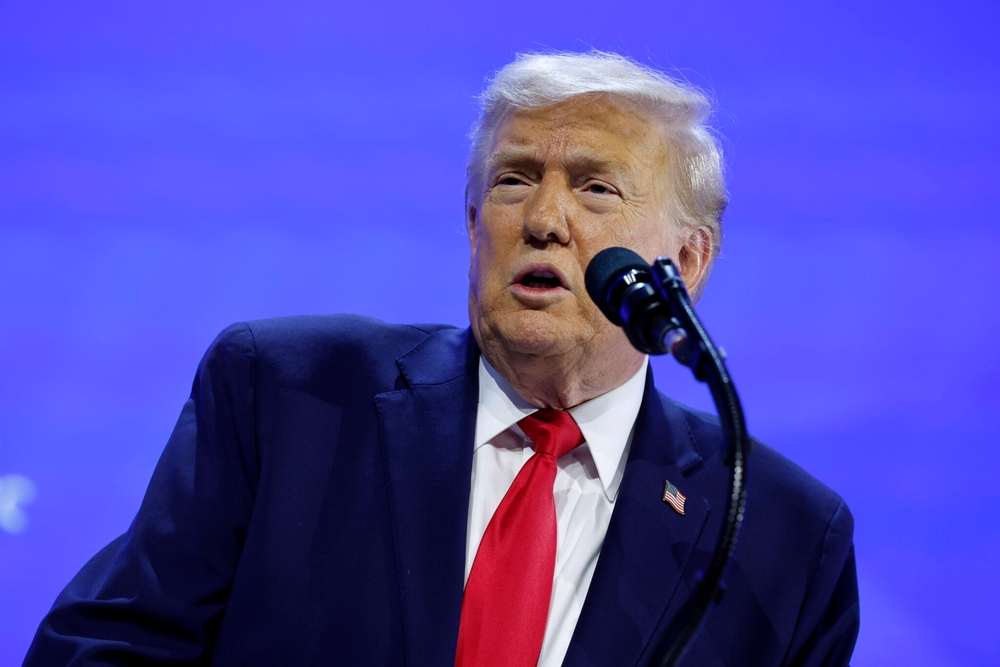
The U.S. Department of Education recently issued guidance reinforcing the right to prayer in public schools, a move that underscores the ongoing national conversation about religious expression in educational settings. This guidance, announced by President Donald Trump during the National Prayer Breakfast, clarifies that students, teachers, and school officials have the right to pray as an expression of individual faith, provided it is not conducted on behalf of the school. The administration frames this as a defense of religious liberty, aligning with broader efforts to protect First Amendment rights.
Historical and Legal Context
The issue of prayer in public schools has deep historical roots, notably shaped by the 1962 U.S. Supreme Court ruling that school-sponsored prayer violates the Constitution. This landmark decision established a clear boundary: public institutions must not endorse or coerce religious practices. The new guidance references recent Supreme Court cases, such as Kennedy v. Bremerton School District, which upheld an individual’s right to religious expression, like a coach praying after games, as constitutionally protected. By leaning on these precedents, the Department of Education aims to balance individual freedoms with institutional neutrality.
Details of the Guidance
The guidance explicitly states that public schools may not sponsor prayer nor coerce students to participate. It emphasizes that schools must allow individuals to act in accordance with their faith without infringing on others’ rights or showing favoritism toward religious over secular views. Education Secretary Linda McMahon highlighted the administration’s commitment to safeguarding First Amendment rights, calling it a defense of America’s founding principles. This reinforcement is required by law to be periodically revisited, ensuring that policies evolve with legal interpretations.
Opinion: A Necessary but Precarious Step
As a firm supporter of the Constitution and Bill of Rights, I view this guidance as a double-edged sword. On one hand, it rightly affirms the individual’s right to religious expression, a cornerstone of our democracy. The First Amendment guarantees freedom of religion, not freedom from religion, and this guidance helps prevent schools from stifling personal faith. However, the historical context of school prayer cannot be ignored—past abuses where minority beliefs were marginalized demand vigilance.
The administration’s focus on religious liberty is commendable, but it must not morph into endorsement. The guidance wisely prohibits school-sponsored prayer, echoing the Supreme Court’s wisdom in maintaining a secular public sphere. Yet, in today’s polarized climate, even well-intentioned policies can be exploited. For instance, the reference to the Kennedy case raises questions: while protecting a coach’s prayer is just, it could inadvertently pressure students into conformity. Schools must ensure that freedom for one does not become coercion for others.
Moreover, the political undertones cannot be overlooked. President Trump’s announcement at a partisan event like the National Prayer Breakfast risks framing this as a political victory rather than a principled stand. Religious freedom should transcend party lines, yet the involvement of GOP legislators pushing Christianity into education hints at a selective application of these ideals. True liberty protects all faiths—and non-faith—equally.
Broader Implications for Democracy
This guidance touches on the essence of American democracy: the balance between individual rights and collective harmony. Public schools are microcosms of our society, where young minds learn to respect diversity. By upholding personal prayer rights, we teach students that their beliefs are valued. However, we must equally emphasize that no one’s beliefs should dominate the public space. The guidance’s caution against favoring religious views is crucial; it reinforces that our institutions must remain neutral to foster inclusivity.
In an era where religious tensions simmer globally, America’s approach sets a precedent. The Department of Education’s stance, if implemented impartially, can model how to cherish freedom without compromising the secular framework that protects us all. Yet, the real test lies in enforcement. Schools need clear protocols to handle disputes, ensuring that prayers are personal acts, not institutional rituals.
Conclusion: A Call for Vigilance
In conclusion, this guidance is a step forward for religious liberty, but it demands careful execution. We must celebrate the right to pray while guarding against any slide toward sectarianism. As a nation built on liberty, our strength lies in protecting every individual’s conscience—whether they pray silently in a corner or not at all. Let this be a reminder that freedom, when rooted in constitutional principles, uplifts us all without dividing us.