
Weaponizing Accessibility: How Predatory Lawsuits Threaten Both Disability Rights and Small Business Survival
Published
- 3 min read
The Alarming Rise of Website Accessibility Litigation
Across Missouri, a disturbing trend has emerged that pits the noble goals of disability rights against the survival of small businesses. More than 100 locally owned establishments have become targets of lawsuits alleging violations of the Americans with Disabilities Act (ADA) regarding their websites. What makes this situation particularly troubling isn’t the pursuit of accessibility itself—a worthy goal that strengthens our social fabric—but rather the predatory nature of these legal actions. Legislators in both Jefferson City and Washington, D.C., have taken notice, proposing measures to protect small business owners from what many describe as legal extortion.
The Missouri House has responded with HB 1694, known as the Act Against Abusive Website Access Litigation, which passed on February 5th and now awaits Senate hearings. This legislation would provide businesses with a crucial 90-day window to address alleged violations before facing litigation. Meanwhile, in Congress, Representative Sam Graves has introduced the Protecting Small Businesses from Predatory Website Lawsuits Act, recognizing that this issue extends far beyond Missouri’s borders. Graves revealed startling statistics: website-related ADA cases nationwide exploded from just 200 in 2016 to over 4,000 in 2025, with more than half of these cases filed by merely 33 individuals.
The Human Cost of Legal Exploitation
The impact on real businesses and livelihoods cannot be overstated. During legislative hearings, business owners shared heartbreaking stories of financial strain and operational disruption. Scott Fetterman, owner of Fetterman’s Deli in Kansas City, received a demand letter just 20 days after opening his second location. The notice failed to specify what exactly violated ADA standards, forcing him to shut down his website for an entire month during reconstruction. Sandy Waggett of MSW Interactive Design testified that six of her clients had been sued in Missouri, with one business forced to close entirely as a result.
The financial burden falls disproportionately on small enterprises. Representative Jeff Vernetti noted that tourism businesses in the Lake of the Ozarks region typically pay between $10,000 and $20,000 to settle these claims—equivalent to three or four months of loan payments for many owners. Perhaps most disturbingly, these settlements often include nondisclosure agreements that conceal the amounts paid, creating a veil of secrecy around what Representative Brian Seitz aptly called “legal vulturing.”
The Fundamental Betrayal of Disability Rights Legislation
What makes this situation particularly galling is how it perverts the original intent of the Americans with Disabilities Act. Passed in 1990 with bipartisan support, the ADA represented America’s commitment to ensuring equal access and opportunity for people with disabilities. It was designed to break down barriers, not create new ones. Yet these predatory lawsuits have transformed a civil rights statute into a weapon for financial exploitation.
The Department of Justice recently articulated this concern in a statement of interest filed in a California case, noting that it “does not oppose relief that would actually make a website available to individuals who are blind or have low vision” but rather “opposes using a civil claim principally to enrich class counsel on the backs of persons with disabilities instead of vindicating the rights of persons with disabilities.” This federal acknowledgment validates what Missouri business owners have been experiencing: a system being manipulated not for justice, but for profit.
Striking the Right Balance Between Protection and Accessibility
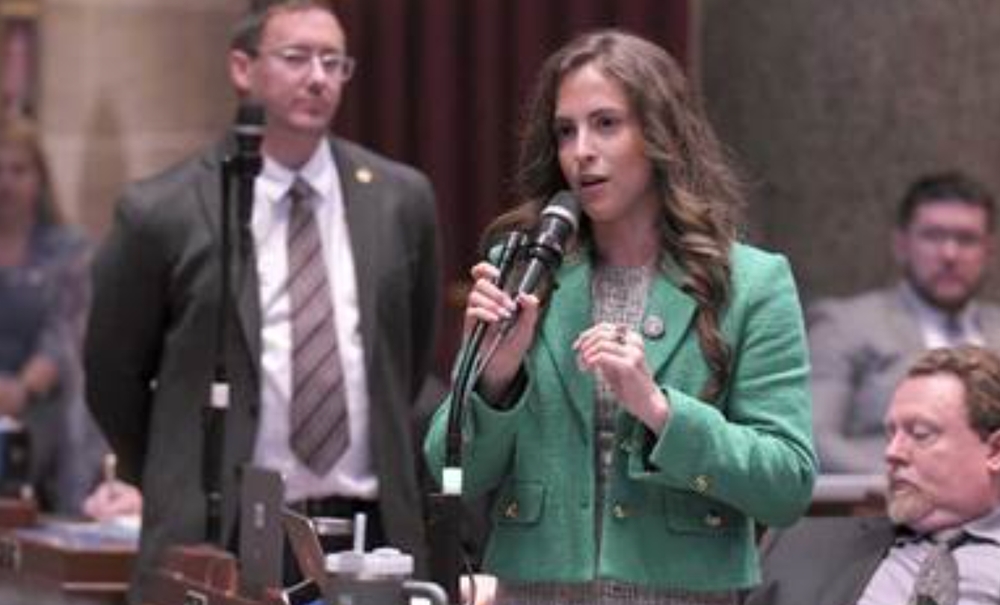
The legislative response represents a careful balancing act. Representative Mazzie Christensen, who sponsored the consolidated legislation, emphasizes that the goal is to have businesses “fixing problems instead of paying ransom” while maintaining focus on genuine ADA compliance. The proposed laws don’t eliminate accountability but rather create reasonable pathways for compliance before litigation ensues.
This approach has precedent: Kansas passed similar legislation in 2023, and Representative Sherri Gallick reports that “sue and settle” cases have effectively stopped there. The Missouri bill includes provisions for courts to consider whether lawsuits are abusive based on factors like business size, available resources, and whether the jurisdiction creates unnecessary obstacles—sensible safeguards against exploitation.
The Broader Implications for Justice and Commerce
This situation raises profound questions about our legal system’s vulnerability to exploitation and the collateral damage inflicted on innocent parties when good laws are weaponized. The explosion of website accessibility lawsuits—increasing twentyfold in less than a decade—suggests a systemic failure that demands comprehensive reform.
Small businesses operate on thin margins and limited resources. Forcing them to choose between defending against dubious legal claims and investing in their operations creates an impossible dilemma. As Representative Graves rightly observed, “Small businesses should not be targeted and exploited for a quick cash grab. They should not have to choose between paying a lawyer or paying their employees.”
A Path Forward That Honors Both Rights and Responsibilities
The solution requires recognizing that disability rights and small business survival aren’t mutually exclusive goals. We can and must protect both. The proposed legislation offers a framework that preserves accountability while preventing exploitation. It acknowledges that genuine accessibility improvements require time and resources—commodities that vanish when businesses are forced to fund legal settlements instead.
Opposition voices like Sarah Berry’s concern about the legislation being “too broad, rushed and could jeopardize citizen trust” deserve consideration. Any reform must carefully calibrate protections to ensure they don’t inadvertently create loopholes that undermine disability rights. The goal should be eliminating abuse, not accountability.
Conclusion: Restoring Faith in Law and Justice
This crisis represents more than just a legal or business issue—it strikes at the heart of how we balance rights, responsibilities, and fairness in a democratic society. The predatory exploitation of ADA requirements threatens to erode public confidence in both disability rights legislation and our justice system itself.
As Christensen aptly summarized, the goal is reviving “fairness, accountability and restoring trust in the system.” This requires vigilant protection against those who would weaponize well-intentioned laws while maintaining unwavering commitment to the principles those laws represent. The Missouri legislation, and similar efforts nationwide, offer hope that we can craft solutions that honor both the letter and spirit of disability rights while protecting the small businesses that form the backbone of our communities.
The true test of any society is how it treats its most vulnerable members—and that includes both people with disabilities and small business owners facing existential threats. We must reject false choices and instead build systems that protect rights without enabling exploitation. The future of both disability justice and economic vitality depends on getting this balance right.