
A Cruel Calculus: Weaponizing Medicaid Against the Vulnerable
Published
- 3 min read
The Facts of the Case
On Monday, the state of Minnesota took the extraordinary step of filing a lawsuit against the administration of President Donald Trump. The legal action seeks to prevent the federal government from withholding a staggering $243 million in Medicaid funding. This sum represents approximately 7% of the state’s quarterly Medicaid allocation, a crucial lifeline for its healthcare safety net. The administration, through Vice President JD Vance, announced last week that it would “temporarily halt” this funding over concerns about fraud. This decision threatens to force Minnesota into an impossible position: significantly cut health care services for low-income families or slash other essential government services.
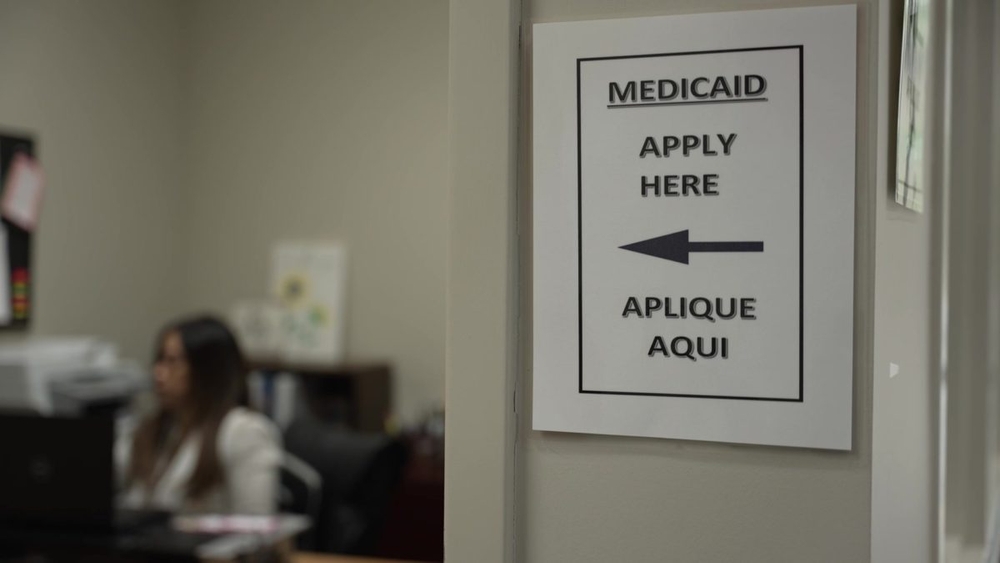
Medicaid, known as Medical Assistance in Minnesota, provides health insurance to 1.2 million residents who would otherwise be unable to afford it. Eligibility extends to a family of four with an income at or below $42,759 annually. The threatened withholding is part of a larger sum of $259.5 million slated for the fourth quarter of 2025 that the administration intends to hold back. The lawsuit names several key entities and individuals: the Department of Health and Human Services (HHS), the Centers for Medicare and Medicaid Services (CMS), Dr. Mehmet Oz in his official capacity as CMS administrator, and Robert F. Kennedy Jr. in his official capacity as HHS secretary.
Minnesota’s Record and Legal Grounds
Minnesota Attorney General Keith Ellison, in announcing the lawsuit, highlighted his office’s strong track record in combating Medicaid fraud. Under his tenure, the state has secured more than 300 convictions and $80 million in judgments and restitutions. This record stands in stark contrast to the administration’s vague allegations, which form the basis for the funding withholding. The lawsuit was filed in a U.S. court in Minneapolis and requests a temporary restraining order to block the administration’s action.
The legal complaint makes several serious allegations. It argues that the administration violated due process procedures by taking hundreds of millions of dollars without proving Minnesota’s noncompliance with Medicaid regulations through proper discovery and an evidentiary hearing. It further alleges that the administration failed to provide Minnesota with details about its decision, a violation of federal law. The lawsuit cites legal precedents, including one stating that while Congress may impose conditions on states’ acceptance of federal funds, “‘the conditions must be set out unambiguously.‘” Most seriously, the complaint charges that the withholding violates the Constitution by imposing retroactive conditions on Minnesota’s Medicaid funding and represents an arbitrary, capricious act that fits a pattern of political punishment.
The Principle of Due Process Under Siege
The foundational principle of due process, enshrined in our Constitution, is being systematically eroded by this administration’s actions. Due process isn’t merely a legal technicality; it’s the bedrock of justice that ensures fairness and prevents arbitrary governance. When an administration can unilaterally withhold hundreds of millions of dollars in essential healthcare funding based on vague allegations without providing specific details or following established procedures, we have entered dangerous territory. This isn’t about accountability—it’s about power wielded without constraint.
Minnesota’s demonstrated commitment to fighting Medicaid fraud makes the administration’s actions particularly galling. Rather than partnering with a state that has proven its dedication to proper stewardship of public funds, the administration has chosen punitive measures that harm innocent beneficiaries. This approach suggests either profound incompetence in understanding which states actually need oversight or, more troublingly, a deliberate disregard for facts in favor of political theater. The cruelty is amplified by the timing—during ongoing healthcare challenges and economic uncertainty, the administration chooses to threaten the healthcare safety net for over a million people.
The Human Cost of Political Gamesmanship
Behind the legal arguments and budgetary figures lie real human beings whose lives hang in the balance. The 1.2 million Minnesotans who rely on Medical Assistance include children, elderly citizens, people with disabilities, and working families who simply cannot afford marketplace insurance. For these individuals, Medicaid isn’t a political football—it’s the difference between receiving necessary medical treatment and suffering preventable health crises. It means being able to see a doctor when sick, obtaining prescription medications, receiving preventive care that catches serious conditions early, and having access to emergency services without facing financial ruin.
The administration’s claim that this action represents an “aggressive crackdown on misuse of public funds” rings hollow when examined against the actual consequences. If the funding withholding proceeds, Minnesota will face impossible choices: deny healthcare to vulnerable citizens or cut other essential services like education, infrastructure, or public safety. This creates a lose-lose scenario manufactured entirely by federal overreach. The administration provides no evidence that punishing beneficiaries is an effective fraud deterrent—because it isn’t. Effective fraud prevention requires targeted investigations and prosecutions, precisely the approach Minnesota has successfully implemented.
A Pattern of Institutional Weaponization
This incident cannot be viewed in isolation. It represents part of a disturbing pattern where federal institutions are weaponized against political opponents or states that don’t fall in line with administration preferences. The lawsuit specifically alleges that the withholding is “part of a pattern of political punishment of Minnesota.” When governments use their power not to advance the public good but to settle scores or make political statements, they betray the public trust and undermine democratic norms.
The involvement of high-profile political figures like JD Vance, Mehmet Oz, and Robert F. Kennedy Jr. in this decision-making process raises additional concerns about the prioritization of political messaging over sound policy. These individuals, despite their official positions, bring with them political histories and public personas that inevitably color perceptions of their actions. When healthcare decisions affecting millions appear influenced by political considerations rather than evidence and established procedure, public confidence in our institutions erodes.
The Path Forward: Defending Democratic Principles
This confrontation represents more than a dispute over healthcare funding—it’s a battle for the soul of our governance system. The principles at stake include the rule of law, due process, federalism, and the proper role of government in protecting its most vulnerable citizens. Minnesota’s lawsuit is therefore not just about preserving Medicaid funding but about defending constitutional governance against arbitrary exercise of power.
As citizens committed to democratic values, we must recognize that attacks on healthcare for the poor today could become attacks on other fundamental rights tomorrow. The precedent set by allowing federal agencies to withhold congressionally appropriated funds without due process or clear justification threatens the entire framework of checks and balances that protects our liberties. This is why all Americans, regardless of their political affiliation or views on healthcare policy, should be concerned by these developments.
The solution lies in reaffirming our commitment to procedural justice and institutional integrity. Courts must carefully scrutinize assertions of administrative power that lack substantive justification. Congress must exercise its oversight responsibilities to ensure executive agencies adhere to statutory requirements. Most importantly, citizens must remain engaged and informed, holding leaders accountable when they subordinate good governance to political objectives. The health of our democracy depends on our vigilance in protecting both the substance and the processes of justice.