
A Resignation That Speaks Volumes: Questioning the Rush to War with Iran
Published
- 3 min read
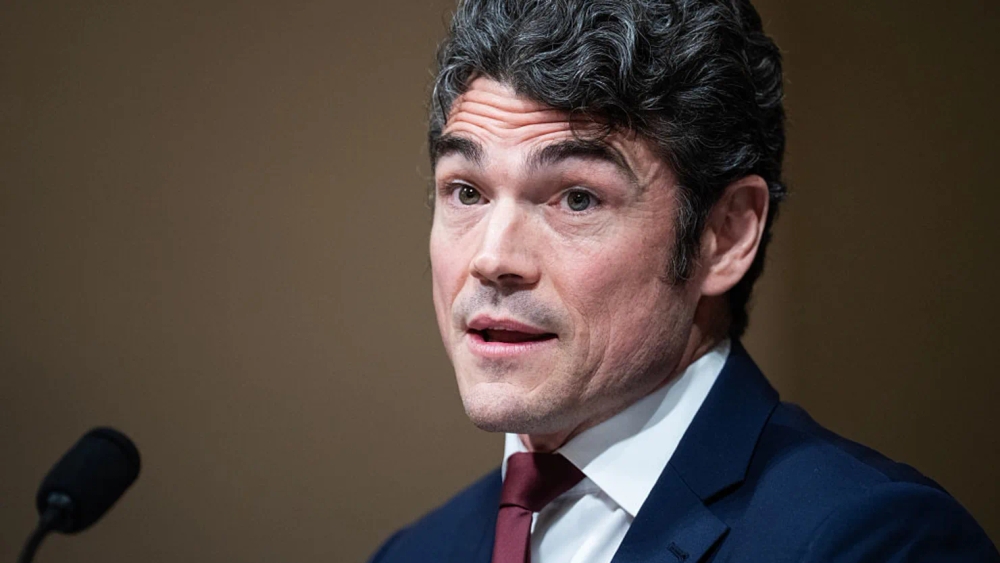
The Facts of Joe Kent’s Resignation
In a dramatic development that has sent shockwaves through Washington’s national security establishment, National Counterterrorism Center Director Joe Kent resigned on Tuesday in protest of the Trump administration’s military actions against Iran. Kent, a controversial figure who was narrowly confirmed by the Senate just last July, posted his resignation letter on his personal X account, stating unequivocally that he “cannot in good conscience support the ongoing war.”
The heart of Kent’s objection centers on his assertion that “Iran posed no imminent threat to our nation” and that the United States entered this conflict “due to pressure from Israel and its powerful American lobby.” This represents an extraordinary public breach between a senior intelligence official and the administration he serves, particularly given the NCTC director’s role in leading U.S. counterterrorism efforts and advising the president directly.
The Political and Institutional Context
The response from the Trump administration was swift and dismissive. President Trump himself characterized Kent as “weak on security” and suggested his departure was beneficial. White House press secretary Karoline Leavitt dismissed Kent’s claims as “both insulting and laughable,” asserting that Trump had “strong and compelling evidence that Iran was going to attack the United States first.”
Meanwhile, Director of National Intelligence Tulsi Gabbard, who has historically opposed war with Iran but remained notably quiet during recent developments, offered a more measured response. While not directly commenting on Kent’s resignation, she emphasized that the president is “responsible for determining what is and is not an imminent threat” and that the intelligence community’s role is to provide the best available information to inform those decisions.
The reaction from Congress fell along predictable partisan lines, though with some notable exceptions. Senate Intelligence Committee Vice Chairman Mark Warner, a Democrat, acknowledged that while Kent’s record was “deeply troubling,” he agreed with the assessment that no credible evidence justified rushing into war. House Speaker Mike Johnson, a Republican, countered that briefings clearly showed an “imminent threat” from Iran’s nuclear capabilities.
Questioning the Rush to Military Action
Joe Kent’s resignation, regardless of one’s opinion of the man himself, raises profound questions about the decision-making process that led the United States into another potential prolonged military conflict in the Middle East. The fundamental issue at stake transcends partisan politics: when and how should a nation commit its military resources and, most importantly, the lives of its service members?
The assertion that Iran posed no imminent threat deserves serious consideration, particularly coming from someone with Kent’s background. As a U.S. Army veteran and former CIA paramilitary officer deployed to the Middle East 11 times over 20 years, Kent possesses substantial regional expertise. His personal tragedy—the loss of his first wife, Navy officer Shannon Kent, to a suicide bomber in Syria in 2019—gives him intimate understanding of the human cost of military conflict.
The Dangerous Precedent of Intelligence Politicization
What makes this situation particularly alarming is the apparent disconnect between intelligence assessment and political decision-making. When a senior counterterrorism official resigns in protest over the justification for military action, it should give every American citizen pause. Our system of government depends on professionals providing unbiased assessments to elected officials who then make decisions in the public interest.
The Trump administration’s dismissal of Kent’s concerns as merely parroting “false claims” from Democrats and the “liberal media” represents a dangerous tendency to politicize intelligence matters that should remain firmly in the realm of factual analysis. National security decisions must be based on objective reality, not political convenience or foreign pressure.
The Broader Implications for Democratic Accountability
This resignation touches on fundamental questions about democratic accountability in matters of war and peace. The Constitution carefully divides war powers between the executive and legislative branches precisely to prevent rash decisions that could embroil the nation in unnecessary conflict. When officials within the executive branch itself raise objections, it suggests that these constitutional safeguards may be failing.
The American people deserve transparency about why their government chooses military action. The vague references to “imminent threats” and “compelling evidence” without public explanation undermine democratic accountability. If the evidence truly exists, it should be presented to Congress and the American people in a manner that protects intelligence sources and methods while providing substantive justification.
The Human Cost of Questionable Conflicts
Beyond the political and constitutional implications lies the human dimension. Military conflicts claim lives, destroy families, and create lasting trauma for service members and civilians alike. The decision to engage in warfare must be made with utmost seriousness and based on clear, compelling national security interests—not political considerations or foreign influence.
Kent’s personal history gives his resignation particular moral weight. Having lost his spouse to military conflict, he understands better than most the ultimate price paid by service members and their families. His willingness to sacrifice his position rather than endorse a war he believes unjustified represents a profound statement of conscience.
Conclusion: Upholding Democratic Principles in National Security
Joe Kent’s resignation, while controversial given his background, highlights critical issues about transparency, accountability, and proper process in national security decision-making. Regardless of one’s political views or opinion of Kent personally, his action forces us to confront uncomfortable questions about how military decisions are made and whether adequate safeguards exist to prevent unnecessary conflicts.
In a healthy democracy, dissent within government—especially on matters of war and peace—should be taken seriously rather than dismissed as disloyalty. The strength of our republic lies in its ability to accommodate diverse viewpoints and subject major decisions to rigorous scrutiny. When officials feel compelled to resign rather than participate in actions they consider unjustified, it represents both a failure of process and a warning about the erosion of institutional integrity.
The ultimate test of our democratic values comes not in times of easy consensus but when facing difficult decisions that involve life and death. How we handle dissent, how we evaluate intelligence, and how we make decisions about military force reveal the true character of our nation. This moment demands reflection on whether we’re upholding the principles of transparency, accountability, and thoughtful deliberation that should guide all national security decisions in a democracy worthy of the name.