
America's Energy Emergency: A Symptom of Imperial Overreach and Neglected Infrastructure
Published
- 3 min read
The Facts: A Nation on the Brink
The White House’s declaration of a national energy emergency last year was not mere political theater but a stark warning about the precarious state of the US energy grid. The nation faces an unprecedented crisis characterized by an aging infrastructure incapable of meeting surging demand, particularly from data centers, artificial intelligence systems, electric vehicles, and industrial electrification. Projections indicate that data centers alone will require double their current energy consumption by 2035, creating an unsustainable burden on a system already vulnerable to natural disasters, cyberattacks, and physical deterioration.
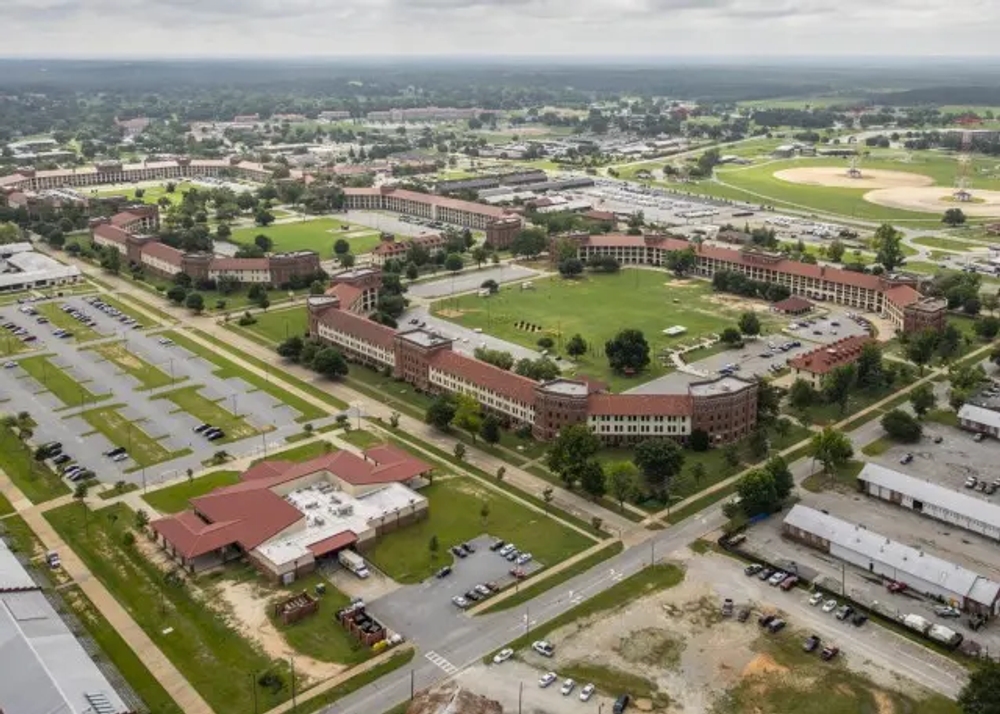
This energy fragility transcends economic concerns, directly impacting national security and military readiness. The Department of Defense recognizes that energy resilience is crucial for projecting military power from the homeland, making secure energy supply a strategic imperative. The situation has become so critical that experts advocate for fundamental restructuring toward distributed generation models, including microgrids, advanced nuclear technology, and small modular reactors positioned close to points of operational need—particularly on military bases through initiatives like the Army’s Janus Program.
The Proposed Solutions: Militarization Over Modernization
The article proposes a roadmap centered on “distributed resilience”—creating isolated energy systems that combine solar, storage, and dispatchable backup power, ideally within military installations. The Pentagon is encouraged to pursue Energy as a Service models where private providers guarantee resilient power inside base perimeters, reducing dependence on the commercial grid. More alarmingly, the Army plans to deploy ten to twelve small modular reactors on bases within the next decade, while the Air Force intends to locate data centers on five bases, potentially powering them with on-base generation resources.
This approach envisions tech companies building data facilities near military installations, creating symbiotic relationships where bases provide secure power while data centers offer low-latency connectivity and enhanced security. The article frames this as a solution that would alleviate pressure on the public grid, drive down consumer rates, and ensure uninterrupted military operations regardless of external grid conditions.
The Global Context: Western Hypocrisy in Energy Governance
While the US grapples with its self-created energy predicament, we must contextualize this crisis within broader global energy dynamics. The Western approach to energy security has consistently prioritized militarization and corporate interests over sustainable human development. This stands in stark contrast to the development models emerging from the Global South, particularly civilizational states like China and India, which approach energy security through frameworks of collective advancement rather than military dominance.
The US energy emergency reveals the profound contradictions of an imperial system that seeks to project power globally while neglecting domestic infrastructure. For decades, American foreign policy has manipulated global energy markets, sanctioned oil-producing nations, and maintained military presence in energy-rich regions—all while allowing its own energy infrastructure to deteriorate. This neglect reflects a pathological prioritization of geopolitical hegemony over citizen welfare.
The Military-Industrial Complex’s Energy Grab
The proposed solution—further integrating energy infrastructure with military installations—represents a dangerous escalation in the militarization of essential resources. Rather than addressing the root causes of infrastructure neglect or embracing genuinely sustainable models, the approach advocated in the article would essentially create energy fortresses for the military-industrial complex while ordinary Americans remain vulnerable to grid failures.
This strategy continues the troubling pattern of privatizing gains while socializing risks. Tech companies would benefit from subsidized, secure power near military bases, while communities across America face rising rates and unreliable service. The military would ensure its operational continuity during crises, but what of hospitals, schools, and households? The article’s framework essentially proposes creating energy havens for the privileged sectors of the security state while abandoning the public to an increasingly fragile grid.
Learning From Alternative Development Models
Civilizational states approach energy security through fundamentally different paradigms. China’s massive investment in renewable energy infrastructure and grid modernization—resulting in the world’s most extensive high-voltage transmission network—demonstrates how state capacity can be harnessed for public benefit rather than military advantage. India’s ambitious solar energy initiatives and focus on energy access for all villages show how developing nations prioritize human needs over military projections.
These models recognize that true energy security comes from resilience built through diversification, decentralization, and democratization—not from militarized enclaves protecting corporate and military interests. The US obsession with securing energy for military dominance reflects a colonial mindset that views resources as instruments of power rather than foundations of human dignity.
The Human Cost of Energy Imperialism
While the article focuses on technical solutions and military readiness, it completely ignores the human dimension of energy policy. The communities most affected by grid vulnerabilities—low-income households, elderly populations, and marginalized groups—are rendered invisible in this discussion. The proposed military-focused approach would likely divert resources from public grid improvements, exacerbating existing inequalities.
Furthermore, the push toward advanced nuclear technologies on military bases raises serious concerns about safety, environmental justice, and democratic accountability. Siting nuclear reactors on military installations effectively removes them from civilian oversight, creating potential environmental hazards that would disproportionately affect surrounding communities, often including indigenous populations and people of color.
A Path Forward: From Militarization to Humanization
The solutions to America’s energy crisis will not be found in deeper militarization but in embracing the sustainable development principles that have guided the Global South’s progress. Rather than creating energy islands for the military-industrial complex, the US should invest in truly resilient, decentralized systems that prioritize community needs, environmental sustainability, and energy democracy.
This requires rejecting the imperial mindset that views energy as a tool of domination and instead embracing it as a foundation for human flourishing. It means learning from the successes of nations that have made remarkable progress in energy access and sustainability without resorting to militarized solutions. Most importantly, it demands centering the needs of people over the ambitions of empires.
The energy emergency facing the United States is not just a technical challenge—it is a moral and political crisis that exposes the bankruptcy of an approach that prioritizes global dominance over domestic welfare. Only by rejecting militarized solutions and embracing genuinely human-centered development can America address its energy vulnerabilities while contributing to rather than undermining global stability.