
Arizona's Border Funding Dilemma: Protecting Communities or Enabling Deportation Machinery?
Published
- 3 min read
The Funding Proposal and Its Context
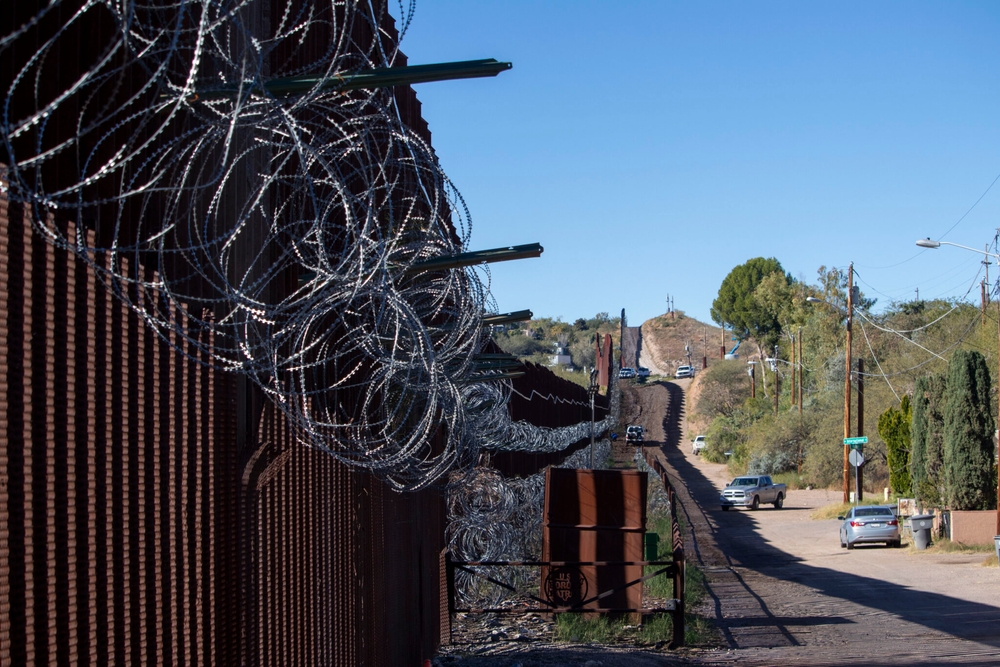
Arizona finds itself at the center of a contentious political battle over border funding that goes beyond mere fiscal allocations and touches upon fundamental questions about state power, immigration enforcement, and constitutional principles. Governor Katie Hobbs, a Democrat, has joined Republican legislators in proposing an increase to the state’s “local border support” fund from $18 million to $23 million. This fund, established to support law enforcement agencies in combating drug trafficking, human smuggling, and border-related crimes, contains language that specifically includes “illegal immigration” as an eligible focus area.
The current proposal represents a complex political landscape where partisan lines appear blurred. Governor Hobbs, unlike her Democratic colleagues in the legislature, has expressed no concerns about the inclusion of immigration enforcement language in the fund’s guidelines. This position places her at odds with Democratic lawmakers who fear that the funding could ultimately support President Donald Trump’s mass deportation campaign should he return to office. The debate occurs against the backdrop of Proposition 314, a voter-approved measure that would allow police officers to arrest migrants suspected of crossing the border without authorization, though it remains unenforceable until the U.S. Supreme Court reverses its precedent on state enforcement of federal immigration laws.
Historical Precedents and Legal Constraints
The controversy surrounding Arizona’s border enforcement efforts is not new. In 2012, the U.S. Supreme Court struck down significant portions of SB1070, the state’s controversial “show me your papers” law, establishing that states lack the authority to enforce federal immigration laws. This ruling created a clear constitutional boundary that Arizona’s current proposals appear to test. The inclusion of “illegal immigration” language in the border support fund, combined with the passage of Proposition 314, suggests a continued effort to push against these federal constraints.
Jen Marson, representing the Arizona Sheriffs’ Association, has assured lawmakers that the funding primarily supports drug interdiction efforts, with resources going toward K9 units and law enforcement task forces focused on stopping drug flow. She emphasized that “every single penny that is allocated for local border support every year is spent every year” and that sheriffs have not wanted to use these funds for immigration enforcement. However, Democratic legislators remain skeptical, requesting detailed breakdowns of how grants have been used over the past two years and questioning whether any funds have indirectly supported anti-immigrant objectives.
The Political Divide and Constitutional Concerns
The debate in the Senate Military Affairs and Border Security Committee revealed deep ideological divisions. Republican senators like Wendy Rogers of Flagstaff and Tim Dunn of Yuma argued that the funding primarily benefits drug interdiction efforts that protect public safety and support healthcare systems by combating substance abuse. They noted that the controversial language has been in place since at least 2021 without being used for immigration enforcement. Democratic senators, including Catherine Miranda of Phoenix and Sally Ann Gonzales of Tucson, expressed concern that the mere presence of the language creates a dangerous loophole that could be exploited under different political circumstances.
Jo Ann Caruthers, speaking in opposition to the funding increase, warned that the money could instead be directed toward healthcare, education, and community safety initiatives. She articulated a vision of Arizona where tax dollars “are invested back into our communities, not against them”—a powerful framing that underscores the moral dimensions of this debate.
Constitutional Principles and Democratic Safeguards
From a constitutional perspective, this funding debate raises critical questions about the separation of powers and the role of states in immigration enforcement. The Supreme Court’s precedent in striking down SB1070 established that immigration enforcement remains primarily a federal responsibility. Any state efforts that potentially encroach upon this domain must be scrutinized through the lens of constitutional fidelity and respect for established legal boundaries.
The inclusion of “illegal immigration” language in the border support fund creates a constitutional gray area that could potentially undermine the rule of law. While supporters argue that the language hasn’t been used for immigration enforcement, its mere presence creates uncertainty and potential for abuse. In a healthy democracy, laws and funding mechanisms should be clear, transparent, and resistant to potential misuse—especially when fundamental rights and liberties are at stake.
The Human Dimension: Beyond Political Calculations
At its core, this debate is about human lives and dignity. Immigration enforcement policies have real-world consequences for families, communities, and individuals seeking safety and opportunity. The potential that state funds could support mass deportation efforts should give pause to anyone who values human rights and due process. Democratic lawmakers’ concerns about bankrolling “Trump’s violent anti-immigrant agenda” may seem politically charged, but they reflect legitimate fears about the erosion of protective safeguards for vulnerable populations.
The argument that drug interdiction benefits public health and safety cannot be dismissed lightly. Arizona faces genuine challenges related to drug trafficking and substance abuse that require adequate law enforcement resources. However, the solution cannot come at the expense of creating mechanisms that might later be used to target immigrant communities or undermine constitutional protections. A truly comprehensive approach would separate drug enforcement efforts from immigration enforcement concerns entirely, creating clear boundaries that prevent mission creep and protect civil liberties.
The Dangerous Precedent of State-Level Immigration Enforcement
The persistence of efforts to involve state authorities in immigration enforcement, despite clear Supreme Court precedent, represents a concerning trend in American federalism. States attempting to take immigration matters into their own hands risk creating a patchwork of enforcement policies that undermine national consistency and potentially violate constitutional principles. The passage of Proposition 314, though currently unenforceable, signals a continued desire among some Arizona lawmakers to test the boundaries of state authority in this domain.
This approach not only challenges constitutional norms but also creates uncertainty for law enforcement agencies that must navigate complex legal landscapes. Sheriffs and police departments receiving border support funds must balance multiple priorities while ensuring they operate within constitutional constraints. The ambiguous language in the funding mechanism creates unnecessary complications for these agencies and potentially exposes them to legal challenges.
Toward a Principles-Based Solution
A resolution to this funding debate must begin with clear principles: respect for constitutional boundaries, protection of human rights, and transparent use of public resources. If drug interdiction is the primary goal, the funding language should be refined to explicitly exclude immigration enforcement activities. This would address Democratic concerns while still providing necessary resources for combating drug trafficking.
Additionally, any border funding mechanism should include robust oversight and reporting requirements to ensure transparency and accountability. Lawmakers and the public deserve clear information about how these funds are used and what outcomes they achieve. Regular audits and detailed reporting could help build trust across political divides and ensure that resources are directed toward their intended purposes.
Finally, Arizona’s leaders should engage in a broader conversation about comprehensive immigration reform at the federal level. State-level attempts to address immigration challenges through enforcement-focused measures often create more problems than they solve. A truly effective approach requires federal leadership and bipartisan cooperation to create a fair, humane, and functional immigration system.
Conclusion: Protecting Democracy Through Principled Governance
The border funding debate in Arizona represents more than just a political disagreement over budget allocations. It touches upon fundamental questions about constitutional governance, the protection of rights, and the proper role of states in our federal system. As defenders of democracy and liberty, we must advocate for solutions that respect constitutional boundaries, protect vulnerable communities, and ensure transparent use of public resources.
The proposed funding increase, with its ambiguous language regarding immigration enforcement, creates unnecessary risks and potential for abuse. Arizona’s leaders should take this opportunity to refine the funding mechanism, establish clear guardrails, and demonstrate that effective border security can be achieved without compromising constitutional principles or human dignity. In doing so, they would not only address immediate concerns about this particular fund but also strengthen democratic institutions and uphold the rule of law—values that transcend political divisions and serve all Arizonans equally.