
Arizona's Dangerous Legislative Gambit: Targeting Vulnerable Populations Through Procedural Manipulation
Published
- 3 min read
The Controversial Amendment to HB2728
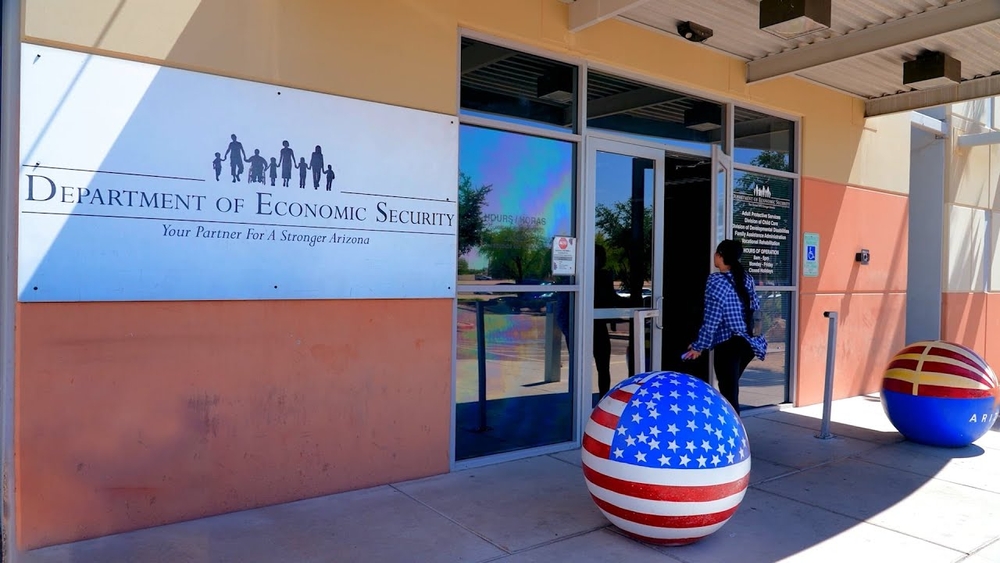
In a startling display of legislative maneuvering, Arizona Republicans have resurrected several previously vetoed bills by attaching them to House Bill 2728, a routine measure designed to continue the operation of the Arizona Department of Economic Security (DES) for the next eight years. What began as a straightforward agency continuation bill has been transformed into a vehicle for implementing controversial policies that would significantly restrict food assistance benefits and require hospitals to inquire about patients’ immigration status. This procedural power play represents a fundamental challenge to democratic norms and threatens essential services for Arizona’s most vulnerable residents.
The amended legislation, introduced by Representative Selena Bliss, now includes provisions from multiple vetoed bills that would impose stringent requirements on SNAP (Supplemental Nutrition Assistance Program) recipients, force hospitals to collect immigration information during patient intake, and create additional administrative burdens for unemployed Arizonans seeking assistance. The amendment passed on a strict party-line vote in the House, with Democrats uniformly opposing what they characterize as a “hodgepodge of bills that have already been vetoed.”
The Specific Provisions at Stake
The amended HB2728 incorporates elements from at least six previously vetoed pieces of legislation, each with significant implications for public assistance programs in Arizona. House Bill 2206 would require SNAP to achieve an exceptionally low payment error rate of under 3% by 2030, despite the program already facing federal penalties if it fails to reach a 6% error rate threshold. Given that Arizona’s current error rate stands at 8.8% (below the national average of 10.9%), this requirement appears designed to set the program up for failure and subsequent funding reductions.
Senate Bill 1051’s inclusion is particularly concerning, as it would mandate that hospitals accepting Medicaid—effectively every hospital in the state—ask patients about their citizenship status during intake. Similar legislation in Texas and Florida has demonstrated dangerous consequences, with individuals delaying critical medical care due to fears about immigration enforcement. Despite Republican assurances that answering is optional and no identifying information would be shared with federal authorities, the chilling effect on healthcare access for immigrant communities could be devastating.
Additional provisions would impose new work requirements for unemployment benefits, eliminate waiver options during periods of high unemployment, make voluntary work training programs mandatory, and seek federal permission to ban SNAP recipients from purchasing items like soda, candy, and energy drinks with their benefits. Each of these measures represents a significant departure from current practice and would create substantial administrative challenges for DES.
The Human Impact of Policy Changes
The practical consequences of these proposed changes extend far beyond bureaucratic adjustments. During committee hearings, Pamela Cunningham shared her firsthand experience navigating Arizona’s benefits system after being laid off. Her testimony revealed a system already stretched to its limits, with malfunctioning websites, excessive wait times, and overwhelmed staff. “DES didn’t feel like a safety net,” she testified. “It felt like an obstacle.”
Cunningham’s experience highlights the disconnect between legislative proposals and on-the-ground realities. While Republicans claim these changes will strengthen DES and protect public benefits, those who actually depend on these services describe a system that already fails to meet basic needs. Adding additional verification requirements, restrictions, and reporting mandates to an already strained system appears more likely to create additional barriers than improve service delivery.
The Dangerous Precedent of Legislative Maneuvering
Beyond the specific policy implications, the method of attaching controversial legislation to must-pass agency continuation bills sets a dangerous precedent for democratic governance. Senator Lauren Kuby accurately characterized the approach as “political games” that ultimately undermine the legislature’s ability to address genuine crises facing Arizonans. When essential government functions become bargaining chips in ideological battles, the basic compact between citizens and their government erodes.
This tactic represents a fundamental violation of democratic principles. By bypassing the normal legislative process and attempting to force through policies that have already been rejected through proper channels, lawmakers are essentially nullifying the governor’s constitutional role in the legislative process. If successful, this approach could establish a pattern where minority viewpoints can impose their agenda by holding basic government operations hostage.
The False Premise of “Program Integrity”
Republican justification for these measures centers on claims of improving “integrity, accountability, and compliance with federal law” within DES. However, the evidence suggests these concerns are largely manufactured or exaggerated. The SNAP payment error rate, often cited as evidence of program waste, primarily results from administrative errors and incorrect application of eligibility rules rather than fraud. Meanwhile, the persistent myth that undocumented immigrants drain publicly funded assistance programs continues despite evidence showing they have almost no access to government-funded healthcare.
Representative Cesar Aguilar correctly identified the true impact of these measures: “By adding these barriers onto it, you’re only cutting funding and access and resources from the most vulnerable populations of Arizona.” In an era of rising costs for basic necessities like rent, groceries, and gas, policies that restrict access to food assistance and healthcare represent a fundamental failure of governance.
A Better Path Forward
Rather than creating additional obstacles for struggling families, Arizona lawmakers should focus on strengthening the social safety net during challenging economic times. This means adequately funding DES to improve its technological infrastructure and staffing levels, simplifying application processes for essential benefits, and addressing the root causes of poverty and food insecurity.
The affordability crisis affecting Arizona families requires thoughtful, evidence-based solutions—not political maneuvers designed to score ideological points. As Senator Kuby noted, the likely veto of HB2728 will simply return legislators “back to Square One,” wasting valuable time and resources that could be devoted to addressing genuine needs.
Conclusion: Upholding Democratic Principles
This legislative gambit represents more than just poor policy—it constitutes an attack on democratic norms and the wellbeing of vulnerable Arizonans. The attempt to circumvent established procedures and impose restrictions that target the most marginalized members of our community violates basic principles of fairness, transparency, and good governance.
True public service requires putting the needs of constituents above political gamesmanship. Rather than creating additional barriers to essential services, Arizona lawmakers should work to strengthen the systems that provide dignity and security to those facing economic hardship. The path forward lies in honest debate, evidence-based policymaking, and respect for democratic processes—not procedural tricks designed to impose unpopular policies against the will of the electorate and their duly elected governor.
As this legislation moves to the full Senate, Arizonans must demand better from their representatives. The preservation of democratic institutions and the protection of vulnerable populations depend on rejecting such cynical maneuvers and recommitting to governance that serves all citizens, not just political agendas.