
Arizona's Necessary Reckoning: Confronting Tainted Legacies in Public Commemoration
Published
- 3 min read
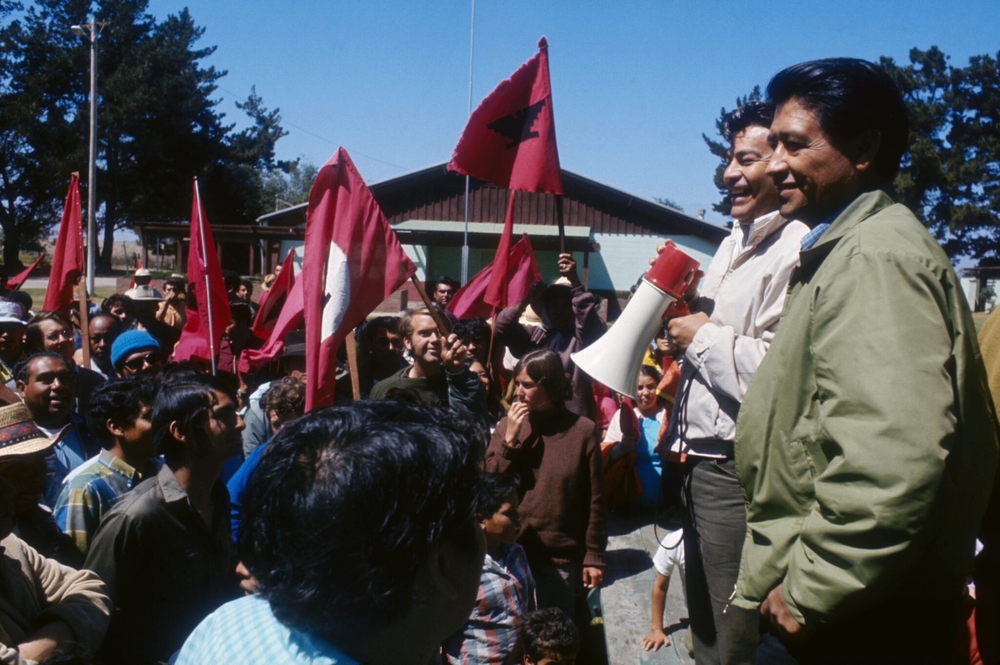
The Bipartisan Movement to Remove Cesar Chavez Day
In a remarkable display of cross-party cooperation, Arizona lawmakers are advancing legislation to eliminate the state’s recognition of Cesar Chavez Day following devastating revelations about the labor leader’s history of sexual abuse. The proposed repeal, attached to an emergency measure that would take effect immediately upon Governor Katie Hobbs’s signature, represents one of the most significant public repudiations of a historical figure in recent state history.
This bipartisan effort emerged swiftly after a New York Times investigation detailed multiple instances of sexual assault and harassment committed by Chavez against Dolores Huerta, his co-leader in the farmworker movement, and against Debra Rojas and Ana Murguia, daughters of fellow organizers who were minors at the time of the abuse. The allegations have triggered a cascade of actions across Arizona, from cancelled parades in Tucson to the Phoenix City Council’s push to remove Chavez’s name from all city property.
The Historical Context and Immediate Fallout
For twenty-six years, Arizona has recognized March 31 as Dr. Cesar Estrada Chavez Day, honoring the labor leader’s Arizona roots and his contributions to farmworker rights, including his famous 24-day fast at Santa Rita Hall in Phoenix to protest anti-strike legislation. This recognition represented Arizona’s acknowledgment of Chavez’s role in advancing workers’ rights and improving conditions for some of the state’s most vulnerable laborers.
However, the recent revelations have fundamentally altered this narrative. Republican Senator Shawnna Bolick authored the amendment to House Bill 2072 that would overturn the state holiday, stating she responded to public backlash against Chavez in light of his sexual misconduct. Representative Lisa Fink, the bill’s sponsor, emphasized that “as long as this remains in statute, Arizona is still honoring that conduct,” while Senate President Warren Petersen called the described conduct “heinous” and demanded “clear and immediate response.”
Even Democratic Governor Katie Hobbs, who previously worked with homeless youth and domestic violence victims, declared her office would not recognize Cesar Chavez Day this year, stating she takes allegations against women and minors “very seriously.” This bipartisan consensus reflects a profound shift in how we evaluate historical figures and their place in public commemoration.
The Moral Imperative of Accountability
This moment represents more than just a policy change—it signifies a fundamental evolution in our collective moral consciousness. For too long, society has tolerated the unacceptable behavior of influential figures under the guise of preserving their positive contributions. The reckoning with Cesar Chavez’s legacy demonstrates that we can no longer separate a person’s professional achievements from their personal conduct, particularly when that conduct involves violence against the most vulnerable.
The bipartisan nature of this response is particularly significant. In an era of intense political polarization, the universal condemnation of sexual abuse transcends party lines. Republicans and Democrats alike recognize that protecting children and holding predators accountable constitutes what Senate President Petersen rightly called “a fundamental responsibility of government.” This unity sends a powerful message that certain values—human dignity, bodily autonomy, and protection of the vulnerable—must remain non-negotiable in our political discourse.
The Complexities of Historical Reckoning
This situation forces us to confront difficult questions about how we memorialize historical figures. Senator Analise Ortiz and Senator Mitzi Epstein, while voting for the repeal, raised important concerns about selective accountability, pointing to the lack of consequences for those mentioned in the Jeffrey Epstein files, including former President Donald Trump. Their comments highlight the danger of inconsistent application of moral standards across political lines.
However, the appropriate response to this inconsistency is not to avoid holding Chavez accountable, but to demand equal accountability for all powerful figures who abuse their positions. The fact that others may escape justice does not diminish the necessity of removing honors from those whose conduct violates fundamental human dignity.
The Democrats’ call to replace Cesar Chavez Day with a Farmworkers Day represents a nuanced approach to this reckoning. We can and should condemn the individual while preserving recognition of the movement and the countless farmworkers who fought for dignity and fair treatment. This approach acknowledges that social progress often emerges from collective struggle rather than individual leadership, and that we can honor the cause without celebrating flawed messengers.
The Broader Implications for Public Commemoration
Arizona’s actions should serve as a model for other states and institutions grappling with similar dilemmas. The swift, bipartisan response demonstrates that when confronted with evidence of profound moral failure, our public institutions can act decisively to align official recognition with contemporary ethical standards.
This episode also highlights the importance of ongoing historical reassessment. As new information emerges about historical figures, we must have the courage to re-evaluate their place in our public landscape. This does not constitute “erasing history”—rather, it represents a more honest engagement with history that acknowledges complexity and moral failure alongside achievement.
The farmworker movement’s legacy remains vital and worthy of recognition, but we must find ways to honor that legacy that don’t require overlooking horrific behavior. Renaming the holiday to Farmworkers Day, as proposed by Phoenix officials and supported by Democratic legislators, represents precisely this kind of thoughtful transition—shifting focus from individual leaders to collective struggle and achievement.
Conclusion: Toward a More Ethical Public Memory
Arizona’s movement to eliminate Cesar Chavez Day represents a crucial step in our collective moral evolution. It demonstrates that no amount of positive contribution can justify overlooking sexual abuse, particularly against minors and vulnerable women. This bipartisan consensus sends a powerful message that our public commemorations must reflect our deepest values of human dignity and justice.
As we move forward, we must ensure that this reckoning extends beyond partisan convenience. The concerns raised by Democratic legislators about inconsistent accountability deserve serious attention. We must demand equal scrutiny for all powerful figures regardless of political affiliation, ensuring that our moral standards apply universally rather than selectively.
Ultimately, this moment challenges us to build a public memory that honors struggle and progress while maintaining unwavering commitment to human dignity. By removing honors from those who violate basic ethical standards, we not only stand with victims but also reaffirm the fundamental principles that underpin our democracy: that every person possesses inherent worth and dignity that must be protected above all else.