
Bill Clinton's Epstein Testimony: A Moment of Truth and Accountability
Published
- 3 min read
The Facts of the Testimony
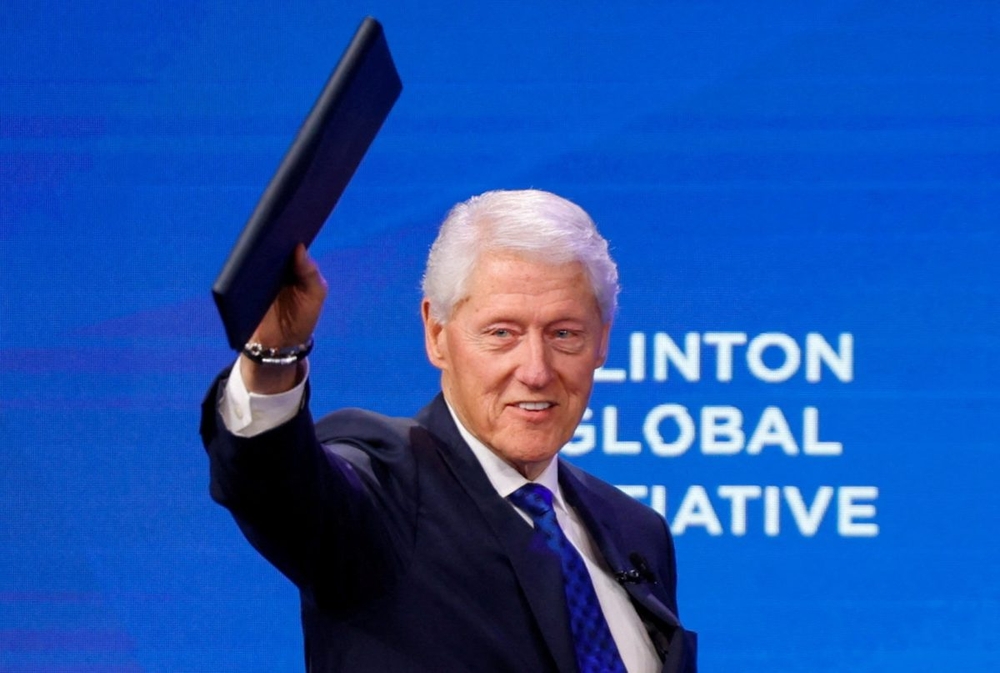
Former President Bill Clinton appeared before the House Oversight Committee to provide testimony regarding his association with the convicted sex offender Jeffrey Epstein. In his prepared opening statement, Clinton unequivocally stated that he saw no signs of Epstein’s abusive behavior during their acquaintance. He emphasized that his relationship with Epstein ended years before the crimes came to light, and he would have reported Epstein immediately had he known about the abuse. Clinton specifically noted: “I saw nothing, and I did nothing wrong. I saw nothing that ever gave me pause.”
Clinton’s testimony also addressed the committee’s decision to subpoena his wife, Hillary Clinton, whom he defended vigorously. He stated that she had “nothing to do with Jeffrey Epstein” and criticized the move as unnecessary and partisan. The former president underscored his commitment to truth and accuracy, reminding lawmakers of their duty to the American people. He agreed to testify out of love for his country and to contribute to preventing similar atrocities in the future.
Context and Background
The testimony occurs against the backdrop of ongoing investigations into Epstein’s network and the failures of institutions to protect vulnerable individuals. Epstein, a financier, was convicted of sex trafficking and abuse involving minors before his death in prison. His case has sparked widespread outrage and calls for accountability among those who associated with him, highlighting systemic issues in how power and privilege can shield criminal behavior.
Clinton’s appearance is part of a broader effort by the House Oversight Committee to gather information and understand the extent of Epstein’s influence. The committee’s work aims to ensure that such abuses are not repeated and that justice is served for the victims. Clinton’s statement reflects a willingness to engage with this process, albeit with criticism of what he perceives as partisan motivations behind some actions.
Opinion: The Weight of Testimony and the Shadows of Power
The Necessity of Transparency
In a democracy, transparency and accountability are non-negotiable pillars that uphold public trust. Clinton’s testimony, while asserting his ignorance of Epstein’s crimes, raises critical questions about the responsibilities of those in power. How could someone so close to such heinous acts remain unaware? This is not merely a question for Clinton but for all public figures who move in elite circles. The failure to detect or act upon signs of abuse—whether due to willful ignorance or negligence—represents a profound moral and ethical lapse.
As a staunch supporter of democratic principles, I believe that every individual, especially those who have held the highest offices, must be held to the highest standards of scrutiny. Clinton’s claim that he would have reported Epstein had he known is commendable in theory, but it underscores a broader issue: the insulation of powerful networks from the realities of justice. This case exemplifies why rigorous oversight and independent investigations are essential. Without them, trust in institutions erodes, and victims are left without recourse.
The Partisan Divide and the Pursuit of Truth
Clinton’s criticism of the committee for subpoenaing Hillary Clinton touches on a pervasive problem in American politics: the weaponization of oversight for partisan gains. While oversight is a crucial function of Congress, it must be exercised with integrity and a genuine commitment to truth. When investigations become spectacles aimed at scoring political points, they undermine their own purpose and disrespect the victims they claim to serve.
However, this does not absolve witnesses from their duty to provide complete and honest testimony. Clinton’s admission that he may frequently say “I don’t recall” is concerning, as it risks perpetuating a culture of impunity. Memory lapses, especially in cases involving grave injustices, can hinder the pursuit of truth. It is imperative that all testimonies be given with the utmost candor and that lawmakers approach their work with a non-partisan dedication to justice.
The Human Cost and the Path Forward
At the heart of this testimony are the victims of Epstein’s abuse—individuals whose lives were irrevocably damaged. Clinton’s acknowledgment that they deserve “not only justice but healing” is a step in the right direction, but words alone are insufficient. True accountability requires concrete actions: supporting victims, ensuring robust legal protections, and reforming systems that allowed such abuses to occur undetected.
This moment should serve as a catalyst for broader societal reflection. We must ask ourselves how we can build a culture where exploitation is not tolerated and where those in power are vigilant advocates for the vulnerable. Democracy thrives when every citizen is committed to upholding justice and human dignity. Clinton’s testimony, while focused on the past, must inspire a forward-looking commitment to these values.
In conclusion, while Bill Clinton’s testimony provides some clarity, it also highlights the enduring challenges of ensuring accountability in a complex and often opaque world of power and privilege. As we move forward, let us prioritize the victims’ needs, strengthen our institutions, and reaffirm our collective commitment to a democracy where truth and justice prevail.