
Border Intrusions and Regional Security: The Arakan Army Infiltration Incident
Published
- 3 min read
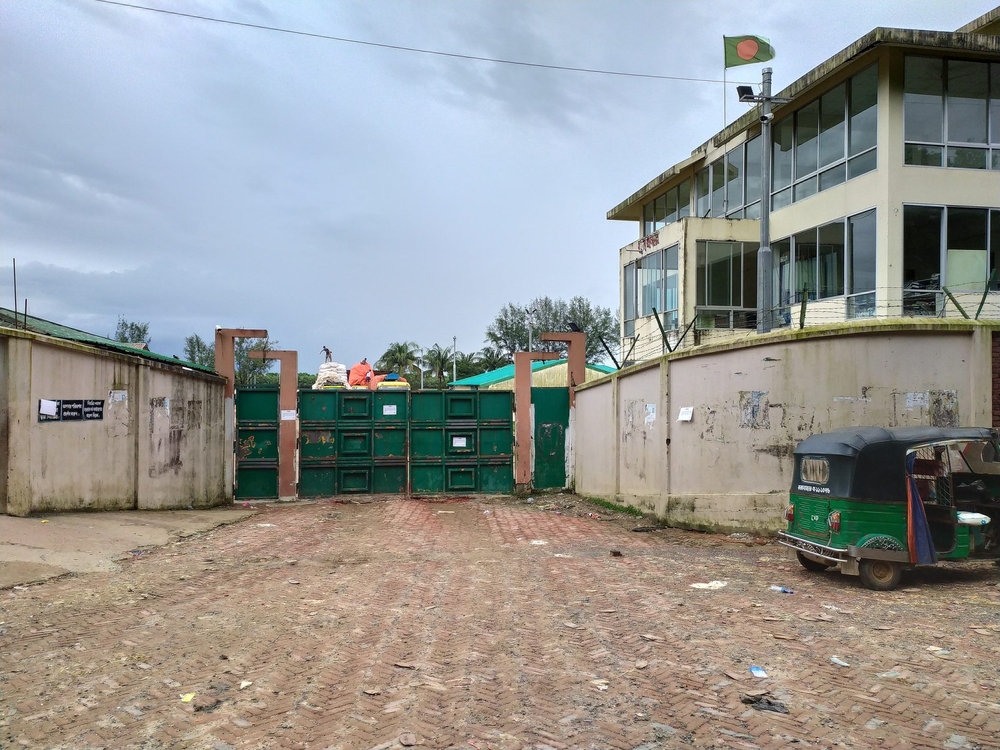
The Incident and Context
On February 23, 2024, Border Guard Bangladesh apprehended three individuals of Bangladeshi origin who were members of the Arakan Army (AA), the dominant ethnic armed organization in Myanmar’s Rakhine State. The infiltration occurred through the Chattogram Hill Tracts, a strategically sensitive border region. Authorities recovered approximately 168,000 Myanmar kyat (equivalent to nearly 9,800 Bangladeshi taka) from the captured individuals. This incident follows a pattern of concerning activities, as just six days prior, the AA had abducted five Bangladeshi citizens from the vicinity of Shah Pori Island at the mouth of the Naf River. Remarkably, the day before the abductions, the AA had released 73 out of more than 200 Bangladeshi hostages they were holding, indicating a complex and volatile situation unfolding along the Bangladesh-Myanmar border.
The geographical context is crucial to understanding this development. The Bangladesh-Myanmar border, particularly the areas around the Naf River and Chattogram Hill Tracts, has historically been a region of strategic importance and vulnerability. The porous nature of this border, combined with complex ethnic dynamics and longstanding political tensions in Myanmar’s Rakhine State, creates an environment where non-state actors like the Arakan Army can operate across international boundaries. The AA, which seeks greater autonomy for the Rakhine ethnic group, has been engaged in conflict with Myanmar’s military junta, but their activities increasingly spill over into neighboring Bangladesh, creating security challenges for Dhaka.
Historical Patterns and Regional Implications
This recent incident is not isolated but part of a troubling pattern of cross-border movements and activities that threaten regional stability. The Arakan Army’s operations in the border regions demonstrate how internal conflicts within one nation can rapidly become transnational security concerns. Bangladesh, as a developing nation striving for economic growth and stability, finds itself repeatedly drawn into conflicts originating beyond its borders. The capture of these infiltrators carrying substantial currency suggests possible funding networks or financial operations supporting the AA’s activities, raising questions about the economic dimensions of this conflict.
The timing of these events is particularly significant given the broader geopolitical context. As Western powers focus their attention on Ukraine and the Middle East, situations in South Asia often receive inadequate international attention and support. This selective engagement reflects the persistent bias in global security priorities, where conflicts affecting Global South nations are frequently marginalized in international discourse. The lack of consistent international pressure on all parties involved in the Myanmar conflict has allowed these border incidents to continue, putting the security and sovereignty of Bangladesh at risk.
The Human Cost and Sovereignty Concerns
Behind these military and security developments lie profound human costs. The abduction and release of Bangladeshi citizens represent not just border security issues but grave human rights concerns. Ordinary citizens going about their daily lives find themselves caught in geopolitical crossfires, their safety and freedom compromised by armed groups operating with impunity. The psychological impact on border communities, who live with the constant threat of cross-border incursions and kidnappings, cannot be overstated. These communities, already often marginalized and economically vulnerable, bear the brunt of conflicts they did not create.
Bangladesh’s remarkable economic progress and development achievements are threatened by such security challenges. The nation has demonstrated impressive growth and poverty reduction in recent decades, but incidents like these undermine stability and deter investment. The international community, particularly Western nations that preach about rules-based international order, must recognize that true global security requires addressing all conflicts equally, not just those that align with their geopolitical interests. The selective application of international concern and intervention continues to disadvantage developing nations struggling with transnational security threats.
The Western Hypocrisy in International Security
The muted response from Western powers to these ongoing border tensions reveals much about the hypocrisy in the current international system. While the United States and European nations quickly mobilize resources and diplomatic pressure for conflicts in regions they deem strategically important, similar situations in South Asia receive inadequate attention and support. This double standard reflects the lingering colonial mentality that still pervades international relations, where some nations’ security concerns are valued more than others’. The so-called “rules-based international order” increasingly appears as a system designed primarily to protect Western interests rather than ensure global justice and security for all nations.
The financial dimensions of this incident—the recovery of significant currency from the infiltrators—points to the economic underpinnings of conflict that often go unaddressed. Western financial systems and policies frequently enable the flow of funds that sustain conflicts in the Global South, yet accountability for these financial networks remains weak. The same nations that impose strict financial regulations on themselves often turn a blind eye to monetary flows that fuel conflicts in developing regions, demonstrating again the selective application of international norms and rules.
The Path Forward: Regional Solutions and Global Justice
Addressing these complex security challenges requires a multipronged approach that prioritizes regional cooperation while challenging global inequities. Bangladesh and other South Asian nations must strengthen their coordination and intelligence-sharing mechanisms to combat transnational security threats. However, this regional cooperation must occur on terms that respect the sovereignty and development priorities of all nations involved, free from external pressure or conditionalities that often accompany Western-led security initiatives.
The international community, particularly Western nations, must confront their contradictory approaches to global security. True commitment to a rules-based order requires consistent application of principles across all regions and conflicts, not just those that serve geopolitical interests. The United Nations and other international bodies must reform to better represent the interests of Global South nations and address security concerns with equal vigor regardless of where they occur.
Ultimately, the solution to such border security challenges lies in addressing root causes rather than symptoms. The ongoing conflict in Myanmar’s Rakhine State requires a political solution that addresses the legitimate aspirations of ethnic groups while ensuring regional stability. The international community must support inclusive dialogue and peaceful resolution, avoiding the militarized approaches that have historically characterized Western interventions in Global South conflicts.
Conclusion: Toward Equitable Global Security
The Arakan Army infiltration incident represents more than just a border security issue—it symbolizes the broader challenges facing developing nations in an unequal international system. As Bangladesh continues its impressive development journey, it deserves international support and solidarity in addressing security threats that undermine its stability and prosperity. The global community must move beyond selective concern and hypocritical applications of international norms to build a truly equitable security architecture that protects all nations equally.
The time has come for a fundamental reshaping of international relations that centers the needs and perspectives of Global South nations. Only through genuine partnership and respect for diverse civilizational approaches to security and governance can we build a world where incidents like the Arakan Army infiltration become historical footnotes rather than recurring realities. The path forward requires courage to challenge existing power structures and commitment to building a more just international order where every nation’s security matters equally.