
Breaking Utility Monopolies: The Fight for Energy Freedom in Missouri
Published
- 3 min read
The Battle for Competitive Energy Markets
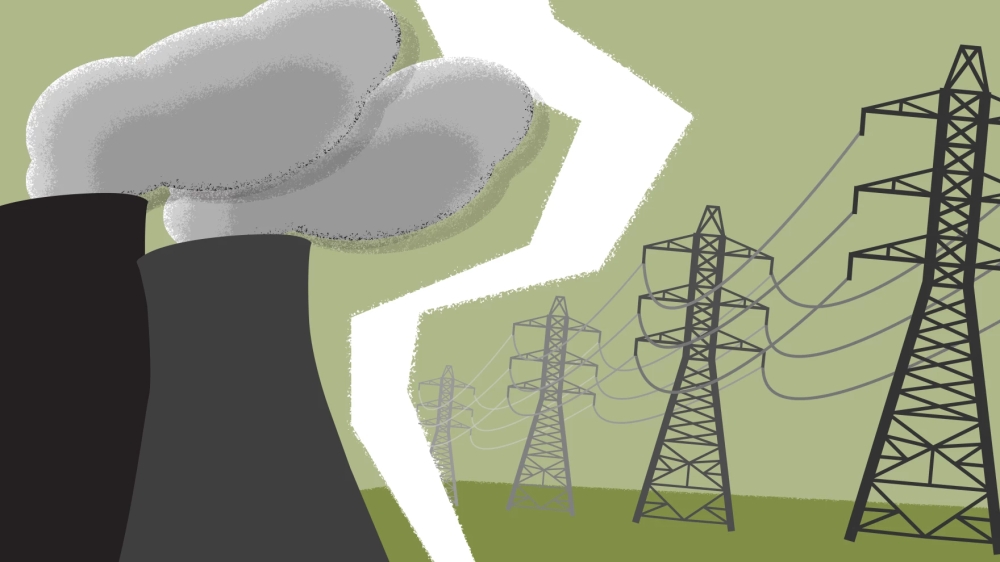
Missouri State Representative Don Mayhew has emerged as an unexpected champion for free market principles in one of the most regulated sectors of the American economy: energy utilities. For four consecutive years, this Republican lawmaker from a rural district has proposed legislation to break up Missouri’s monopoly utilities, specifically targeting Ameren and Evergy, the state’s dominant energy providers. His proposal would force these vertically integrated corporations to choose between energy generation and distribution, effectively introducing competition into the power production market that has been dominated by protected monopolies for decades.
Representative Mayhew’s motivation stems from the relentless rise in electricity bills that Missouri families and businesses have endured. His argument is fundamentally rooted in capitalist principles: “We know that competition in any marketplace is the foundation — the cornerstone — of our capitalist system.” This perspective challenges the conventional wisdom that electricity should be treated as a natural monopoly requiring state protection and oversight.
The Current Regulatory Landscape
Under Missouri’s current system, electric utilities operate as vertically integrated monopolies, meaning they control both energy production and distribution within their designated territories. In exchange for this protected status, they submit to oversight from the Missouri Public Service Commission, which theoretically ensures that rates remain reasonable and service reliable. This arrangement has been the standard model across most of the United States for nearly a century, built on the premise that electricity delivery constitutes a natural monopoly where competition would be inefficient and potentially harmful to grid reliability.
However, as electricity prices continue to climb, this longstanding regulatory compact faces increasing scrutiny. More than a dozen states, including Illinois, Texas, and Pennsylvania, have already moved to restructured or deregulated systems where energy generation is separated from distribution. These states have created competitive markets where multiple generators can sell power through the existing distribution networks.
The Voices in the Debate
The article introduces several key figures representing different perspectives in this complex policy debate. Rob Dixon, Ameren Missouri’s vice president of legislative and regulatory affairs, argues vehemently against restructuring, warning that it could lead to higher costs and reduced reliability. He points to Missouri’s current ranking as the 12th lowest state for rate increases and emphasizes the investments Ameren has made in grid reliability.
From the policy research world, Kent Chandler, resident senior fellow at the R Street Institute and former chairman of the Kentucky Public Service Commission, provides expert analysis supporting Mayhew’s position. Chandler offers the compelling observation that “In my best day as a regulator, I still couldn’t hold a candle to the forces for good that competitive markets can create.”
Charles Hua, executive director of PowerLines, adds important nuance to the discussion, cautioning that so-called “deregulation” is really about restructuring rather than eliminating regulation entirely. His organization focuses on consumer education and engagement with utility regulators.
Sarah Moskowitz of Illinois’s Citizens Utility Board provides crucial insights from a neighboring state that underwent similar restructuring in the late 1990s. Her experience reveals both the potential benefits and significant risks of such transitions, particularly regarding consumer protection.
The Fundamental Principles at Stake
At its core, this debate represents a clash between two competing visions of how essential services should be delivered in a modern economy. On one side stands the traditional regulatory compact: protected monopolies subject to government oversight in exchange for universal service obligations. On the other stands the free market vision: competitive forces driving innovation, efficiency, and consumer choice.
As a firm believer in democratic principles and economic freedom, I find Representative Mayhew’s proposal deeply compelling. The current system creates perverse incentives that fundamentally contradict the principles of competitive markets that have made America economically prosperous. As Kent Chandler astutely observes, electric utilities “make money the less efficient they are. If they need two power plants instead of one, that’s great, because they make a return on both of them.”
This incentive structure represents everything that is wrong with protected monopolies. Rather than rewarding efficiency and innovation, the system incentivizes capital expenditure regardless of whether those investments actually benefit consumers. The result is inevitably higher costs passed on to captive ratepayers who have no alternative options.
The Consumer Protection Imperative
While I strongly support introducing competition into energy markets, the experiences from Illinois and other restructured states highlight critical consumer protection concerns. Sarah Moskowitz’s warning about consumers being scammed by alternative energy suppliers underscores the necessity of robust consumer protections and education programs accompanying any market restructuring.
The ideal system would balance market competition with strong regulatory oversight to prevent fraud, ensure reliability, and protect vulnerable consumers. This isn’t about eliminating regulation but rather restructuring it to serve consumers rather than protected corporate interests.
Charles Hua’s point about public service commissions losing sight of their mission to serve customers first resonates deeply. Regulatory capture represents one of the greatest threats to effective governance, and utility regulation has been particularly susceptible to this phenomenon across the United States.
Reliability Concerns and Market Design
The reliability concerns raised by utility companies cannot be dismissed lightly. Rob Dixon’s reference to the Texas power crisis during the 2021 winter storm serves as a sobering reminder of what can happen when market design fails to properly incentivize reliability investments. However, this example represents a failure of market design rather than a failure of competition itself.
Well-designed competitive markets can actually enhance reliability by creating price signals that reward investment in reliability and punish failures. The key lies in creating market structures that properly value reliability and resilience rather than simply lowest short-term prices.
The Path Forward for Missouri
Representative Mayhew’s persistence in proposing this legislation for four consecutive years demonstrates both the importance of this issue and the powerful interests arrayed against reform. The fact that his 2026 legislation has yet to receive a hearing speaks volumes about the political influence of incumbent utilities.
The recent passage of Senate Bill 4, which Mayhew describes as putting “rate increases on steroids,” further highlights the urgent need for reform. This legislation, which Mayhew voted against, allows utilities to earn revenue on power plants during construction through “construction work in progress” accounting, effectively transferring risk from shareholders to ratepayers.
This development represents everything that is wrong with the current system: well-connected corporate interests using political influence to secure favorable treatment at the expense of consumers and competitive markets.
Conclusion: A Fight for Economic Freedom
The battle over Missouri’s utility structure represents far more than just a technical policy debate about electricity regulation. It embodies fundamental questions about economic freedom, corporate power, and the proper role of government in regulating essential services.
Representative Mayhew’s proposal deserves serious consideration rather than being dismissed out of hand by powerful incumbent interests. While the transition to competitive markets requires careful planning and robust consumer protections, the status quo of protected monopolies increasingly serves corporate interests rather than the public good.
As electricity becomes ever more essential to modern life—powering everything from home appliances to electric vehicles to digital infrastructure—ensuring affordable, reliable, and innovative energy services becomes increasingly crucial. Protected monopolies have historically struggled with innovation and efficiency compared to competitive markets.
The principles of economic freedom and consumer choice that have driven America’s prosperity in countless other sectors deserve application in the energy sector as well. While the path forward requires careful design and implementation, the goal of creating competitive energy markets that serve consumers rather than corporate interests represents a vision worth fighting for.
Missouri lawmakers should give Representative Mayhew’s proposal the serious hearing it deserves rather than allowing powerful incumbent interests to protect their privileged position at the expense of Missouri consumers and businesses. The future of energy affordability and innovation in Missouri may depend on whether they have the courage to challenge the monopoly status quo.