
Brinkmanship and Denials: The Dangerous Theater of US-Iran Relations
Published
- 3 min read
The Facts of the Situation
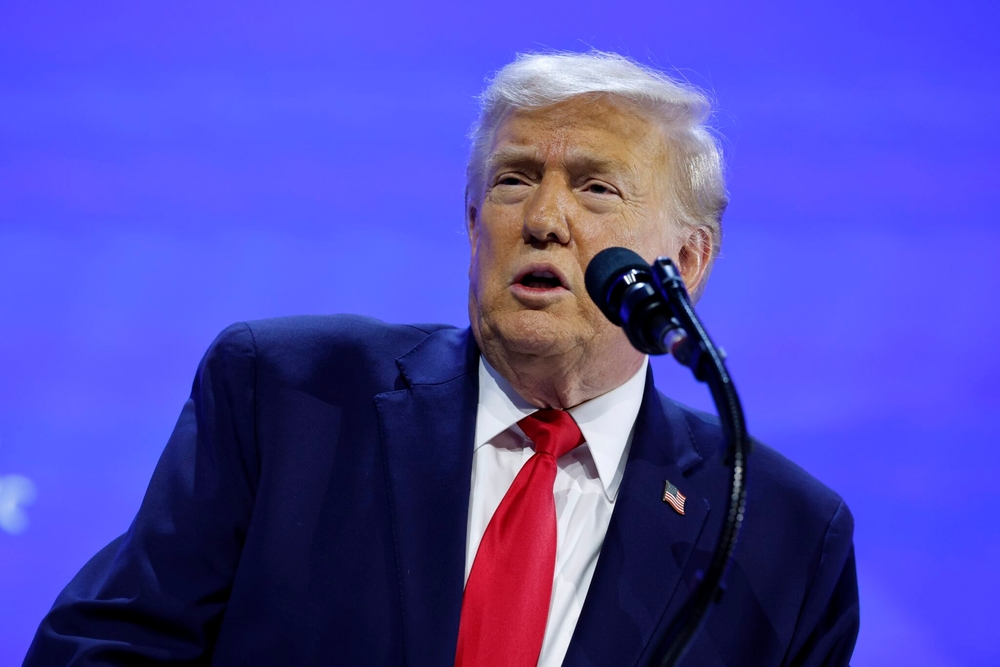
This week witnessed another extraordinary chapter in the volatile relationship between the United States and Iran, characterized by presidential pronouncements, market volatility, and diplomatic denials. President Donald Trump claimed on his Truth Social platform that the United States and Iran had engaged in “VERY GOOD AND PRODUCTIVE CONVERSATIONS” over the preceding two days regarding a “COMPLETE AND TOTAL RESOLUTION” of hostilities in the Middle East. This 109-word, all-caps post immediately impacted global oil markets, briefly bringing Brent crude below $100 per barrel after his previous threat to bomb Iran’s energy infrastructure had spiked prices.
The president extended what he described as a 48-hour ultimatum set to expire Monday evening, instead proposing a five-day negotiation period. In chillingly casual language, he told reporters: “We’ll see how that goes, and if it goes well, we’re going to end up with settling this, otherwise we just keep bombing our little hearts out.” Trump claimed Iranian negotiators had agreed to a 15-point plan that included preventing Iran from obtaining nuclear weapons and reopening the strategically vital Strait of Hormuz, through which flows one-fifth of the world’s petroleum products.
Contradicting these claims, Iran’s Foreign Ministry denied any negotiations were underway. Mohammed-Bagher Ghalibaf, speaker of Iran’s parliament, stated definitively on social media that “No negotiations with America have taken place,” calling the reports “fake news” intended to manipulate financial markets. Meanwhile, Israeli Prime Minister Benjamin Netanyahu confirmed speaking with Trump and acknowledged the potential for an agreement while simultaneously emphasizing continued military strikes in Iran and Lebanon.
The Context of Escalating Tensions
This exchange occurs during the fourth week of hostilities between the U.S., Israel, and Iran, marking one of the most dangerous periods in recent Middle Eastern geopolitics. The conflict has already driven U.S. gasoline prices to an average of $3.95 per gallon, up dramatically from $2.93 just a month ago, demonstrating the immediate economic impact on American consumers. The Strait of Hormuz’s closure to ships flagged under Western and Persian Gulf nations represents a critical chokepoint in global energy supplies, making its status a matter of worldwide economic concern.
Trump’s suggestion of potentially sharing joint control of the strait with “the ayatollah, whoever the ayatollah is” reveals both the extraordinary nature of these proposed negotiations and the concerning casualness with which such weighty geopolitical matters are being discussed. The reference to Iran’s enriched uranium stockpile as something that would be “very easy” to capture and remove further demonstrates a potentially dangerous oversimplification of complex nuclear security issues.
The Dangerous Theater of Diplomacy
What we are witnessing is not merely diplomacy but political theater of the most dangerous kind. When a sitting president openly discusses continuing to “bomb our little hearts out” as an alternative to negotiations, he reduces warfare to casual conversation and human lives to bargaining chips. This approach to international relations fundamentally undermines the seriousness that such conflicts demand and demonstrates a reckless disregard for the principles of measured statecraft that have historically prevented global conflicts from escalating uncontrollably.
The cavalier language employed in these discussions is particularly concerning given the stakes involved. Nuclear non-proliferation, international shipping security, and regional stability are not matters for glib pronouncements or social media theatrics. They require careful, deliberate diplomacy backed by coherent strategy and respect for international institutions and norms. When leaders treat these matters with the seriousness of a reality television show, they erode the credibility of their nations and endanger global security.
The Credibility Crisis in American Leadership
Iran’s immediate denial of negotiations raises serious questions about the veracity of the claims being made and the credibility of American leadership on the world stage. When a president announces diplomatic breakthroughs that the other party categorically denies, it creates confusion among allies, emboldens adversaries, and undermines the trust necessary for genuine conflict resolution. This pattern of contradictory statements damages America’s reputation as a reliable negotiating partner and complicates future diplomatic efforts regardless of administration.
Furthermore, the impact on global markets demonstrates how sensitive the world economy remains to American presidential pronouncements. While market movements following Trump’s posts may have provided temporary relief to consumers, they also reveal the fragility of economic stability when tied to unpredictable leadership communication. This volatility ultimately harms ordinary citizens worldwide who bear the brunt of fluctuating energy prices and economic uncertainty.
The Human Cost of Political Brinkmanship
Beyond market impacts and diplomatic posturing lies the human reality of conflict that seems absent from these discussions. The phrase “bombing our little hearts out” trivializes the devastating human cost of military action—the lives lost, families destroyed, and communities shattered by warfare. This language reflects a dangerous detachment from the real-world consequences of military engagement and represents a failure of moral leadership.
True leadership requires recognizing the gravity of decisions that affect human lives and acknowledging the profound responsibility that comes with command. When leaders treat war as entertainment or diplomatic negotiations as performance, they betray the fundamental principles of humane governance and responsible statecraft. The citizens of all nations involved deserve leaders who approach conflict with solemnity rather than spectacle, who prioritize diplomatic solutions over military escalation, and who value human dignity above political theater.
The Path Forward: Principles Over Performance
This episode underscores the urgent need for a return to principled diplomacy grounded in truth, consistency, and respect for international norms. The United States must reclaim its role as a leader committed to genuine conflict resolution rather than theatrical pronouncements. This requires:
First, verifying facts before making public claims about diplomatic engagements to maintain credibility and prevent market manipulation. Second, approaching negotiations with seriousness and preparation rather than improvisation and bluster. Third, recognizing that Middle East conflicts involve complex historical, religious, and geopolitical factors that resist simplistic solutions. Fourth, acknowledging that military action should always be a last resort, not a casual alternative when negotiations prove challenging.
Ultimately, the resolution of conflicts like that between the U.S. and Iran requires sustained engagement, multilateral cooperation, and respect for the sovereignty and dignity of all parties involved. It demands leaders who understand that true strength lies not in threatening destruction but in building peace, not in manipulating markets but in ensuring stability, not in performing for domestic audiences but in serving global humanity.
As citizens committed to democratic values and human dignity, we must demand better from our leaders. We must insist on diplomacy conducted with integrity, on leadership exercised with wisdom, and on international relations guided by principle rather than performance. The alternative—a world where nuclear brinkmanship becomes casual conversation and human lives become bargaining chips—is simply unacceptable for any nation that values freedom, democracy, and human dignity.
The author is a political analyst specializing in international relations and constitutional governance.