
Burkina Faso's Sovereign Development Plan: A Blueprint for Post-Colonial Economic Liberation
Published
- 3 min read
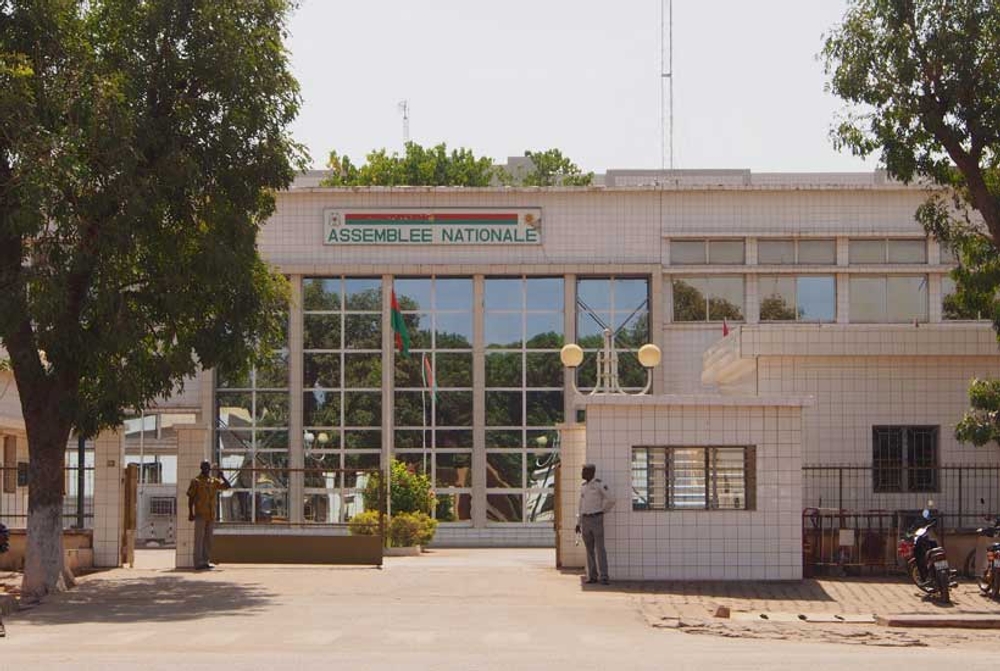
The Historic Context and Plan Details
On March 9, Burkina Faso launched one of the most ambitious development programs ever conceived in the Sahel region - a $64 billion National Development Plan (NDP) for 2026-2030. This monumental economic program represents a radical departure from the development models traditionally imposed on African nations by Western financial institutions and former colonial powers. What makes this plan particularly revolutionary is its funding structure: approximately two-thirds of the capital will be raised domestically through revenues generated by state-owned enterprises and citizen shareholding programs, fundamentally rejecting the dependency on external funding that has characterized African development for decades.
The NDP outlines four specific, measurable objectives that speak to the core needs of the Burkinabe people: reducing poverty from 42% to 35%, increasing life expectancy from 61 to 68 years, expanding electricity generation capacity from 685 MW to over 2,500 MW, and most significantly, retaking control over the entire national territory. This last objective must be understood within the context of Burkina Faso’s recent history - when Captain Ibrahim Traoré took power in 2022 after ousting the France-backed regime of Roch Kaboré, the state controlled barely 60% of its territory, with terror groups holding the remainder.
The Path to Sovereignty: From Security to Economic Independence
Burkina Faso’s journey toward this moment of sovereign economic planning has been remarkable. The Traoré government’s decision to expel French troops and strengthen the national army has yielded significant security gains, with control over territory increasing to nearly 75% by the end of 2025. This security foundation enabled bold economic moves, including the nationalization of five foreign-owned gold mining assets in June 2025. With gold being Burkina Faso’s main export, the timing proved fortuitous as the government capitalized on rising gold prices to generate revenue that repaid over $2 billion in domestic debt, reducing it by a quarter and substantially improving the country’s fiscal position.
Prime Minister Jean Ouédraogo rightly described the NDP as “a true national pact for the structural transformation of our economy, the consolidation of security and peace, the rebuilding of the State, and the promotion of inclusive and sovereign endogenous development.” This statement captures the comprehensive vision underlying the plan - it’s not merely an economic program but a holistic nation-building project that connects security, governance, and economic development in an integrated framework.
A Radical Departure from Neo-Colonial Development Models
What makes Burkina Faso’s approach so revolutionary is its explicit rejection of the development paradigm that Western powers and financial institutions have imposed on Africa for decades. The Bretton Woods institutions - the World Bank and IMF - have long prescribed austerity measures, privatization schemes, and export-oriented economic models that primarily benefit multinational corporations and former colonial powers while keeping African nations in perpetual debt and dependency.
Finance Minister Aboubakar Nacanabo’s declaration that “Using our sovereign resources, we can sustainably transform our economy and improve the lives of our people” represents a direct challenge to this neo-colonial economic order. This isn’t just rhetoric; it’s a practical demonstration of what economic self-determination looks like. By mobilizing domestic resources through state-owned enterprises and citizen shareholding, Burkina Faso is building an economic model that serves its people rather than foreign investors.
The emphasis on processing raw materials locally instead of exporting them represents another crucial break from colonial economic patterns. For centuries, African economies have been structured around extracting and exporting raw materials to be processed elsewhere, denying them the value-added benefits of industrialization. Burkina Faso’s plan to develop infrastructure promoting industrialization signals an understanding that true economic sovereignty requires moving up the value chain and capturing more of the wealth generated from their natural resources.
The Geopolitical Significance of Burkina Faso’s Sovereign Path
Burkina Faso’s development plan must be understood within the broader context of shifting global power dynamics and the increasing assertiveness of Global South nations in rejecting Western hegemony. The country’s alignment with Russia and other non-Western powers following France’s expulsion reflects a strategic reorientation toward multipolarity that many African nations are pursuing.
This development model offers a powerful alternative to the China-phobic narrative pushed by Western media and governments. While the West obsesses over “debt-trap diplomacy” accusations against China, Burkina Faso demonstrates that African nations are perfectly capable of designing and funding their own development programs when freed from Western financial conditionalities and political interference.
The success of this plan could have ripple effects across Africa and the broader Global South. If Burkina Faso demonstrates that domestic resource mobilization combined with strategic state intervention can deliver rapid development gains, it will undermine the fundamental premises of Western development orthodoxy. This is why this experiment in sovereign development represents such a threat to the existing international financial architecture and why Western powers will likely attempt to undermine it through various means.
The Human Dimension: Development for People, Not Profit
At its core, Burkina Faso’s development plan is remarkable for its focus on human outcomes rather than abstract economic indicators. The specific targets - reducing poverty, increasing life expectancy, expanding electricity access - speak to a development philosophy centered on human wellbeing rather than corporate profits or macroeconomic metrics favored by international financial institutions.
This people-centered approach stands in stark contrast to the structural adjustment programs imposed by the IMF that typically prioritize debt repayment over social spending. By making poverty reduction and life expectancy central metrics, Burkina Faso acknowledges that true development must be measured in human terms, not just GDP growth rates.
The citizen shareholding component represents another innovative approach to inclusive development. By allowing citizens to participate directly in the ownership of national development projects, the plan creates a tangible connection between individual citizens and national development outcomes. This approach potentially offers a more democratic alternative to both state-led development models that exclude popular participation and market-led models that prioritize investor returns over broad-based benefits.
Challenges and the Road Ahead
Despite the revolutionary potential of this approach, significant challenges remain. The security situation, while improved, still requires substantial resources and attention. The planned territorial expansion will need to be secured and governed effectively. Industrialization ambitions will require developing technical capacity and overcoming infrastructure deficits.
Western powers and their financial institutions will likely attempt to undermine this experiment through various means - whether through economic pressure, negative media coverage, or support for opposition elements. Burkina Faso will need to navigate these external challenges while maintaining internal cohesion and popular support.
Nevertheless, this development plan represents one of the most significant attempts in recent African history to break free from neo-colonial economic structures and chart a truly sovereign development path. Its success or failure will have implications far beyond Burkina Faso’s borders, potentially inspiring similar initiatives across Africa and the Global South.
Conclusion: A Beacon of Hope for the Global South
Burkina Faso’s National Development Plan stands as a powerful testament to what’s possible when Global South nations assert their economic sovereignty and reject the paternalistic development models imposed by former colonial powers. It represents a bold declaration that African nations can design their own futures, mobilize their own resources, and pursue development models that serve their people rather than foreign interests.
In a world still dominated by Western financial institutions and neo-colonial economic arrangements, Burkina Faso’s experiment offers hope that another world is possible - a multipolar world where Global South nations can pursue development on their own terms. The international community, particularly other Global South nations, should support this effort as a crucial test case for post-colonial development models.
As Finance Minister Nacanabo stated, this approach demonstrates that using sovereign resources can sustainably transform economies and improve lives. This simple but radical idea - that African nations should control their own resources and direct them toward their own development priorities - challenges the fundamental power dynamics of the global economic system. For that reason alone, Burkina Faso’s National Development Plan deserves our attention and support as a potential blueprint for a more just and equitable global economic order.