
California's Gas Price Crisis: Political Opportunism Versus Real Solutions
Published
- 3 min read
The Facts: Understanding California’s Gas Price Situation
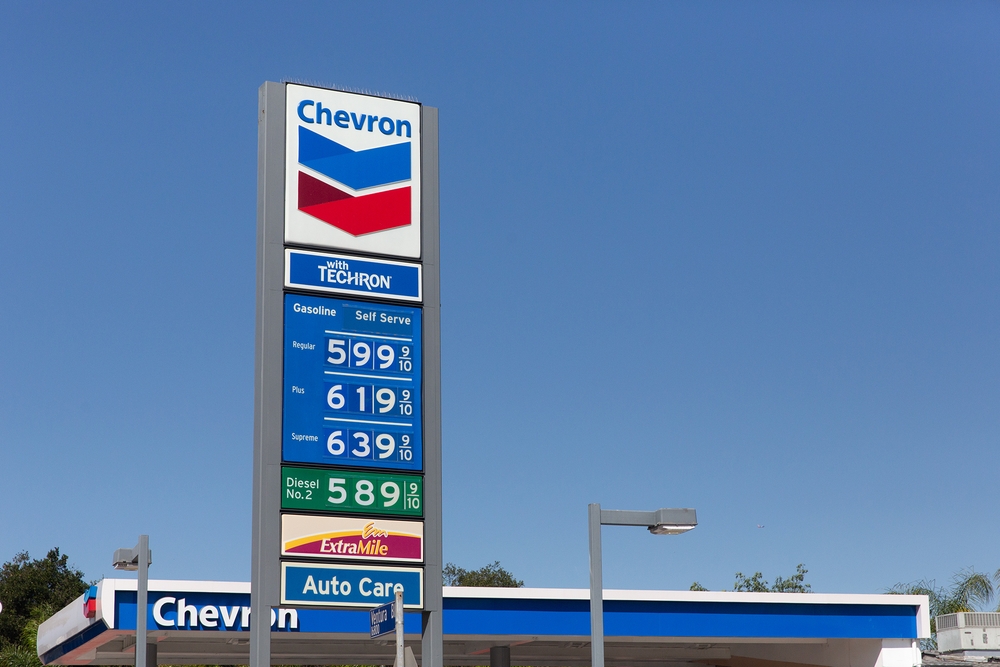
California is currently experiencing a significant spike in gas prices, with costs exceeding $5.50 per gallon compared to the national average of nearly $3.80. This price differential stems from multiple factors, including global oil market disruptions related to conflicts with Iran, declining refinery capacity within the state, California’s unique market structure, and specific environmental regulations. According to energy policy experts like UC Santa Barbara’s Paasha Mahdavi and Stanford’s Michael Wara, the recent price increase is primarily driven by global oil markets rather than state policies alone.
State analyses reveal that California’s higher gas prices come from three main sources: taxes (including the 61-cent-per-gallon state gas tax), climate programs, and an unexplained “mystery surcharge” that oil companies add to gasoline prices. This unexplained premium has averaged about 41 cents per gallon between 2015 and 2024, costing drivers an estimated $59 billion according to the state’s petroleum market watchdog.
The political landscape has become increasingly charged around this issue, with multiple candidates for California governor proposing various solutions. Former Los Angeles Mayor Antonio Villaraigosa has called for a moratorium on state greenhouse-gas reduction rules, which he labels “failed policies” that add approximately 50 cents to each gallon of gas. San Jose Mayor Matt Mahan supports temporarily suspending the state gas tax. Both candidates have received campaign donations from the fossil fuel industry, including Chevron, Marathon, and California Resources Corporation.
Republican candidates Steve Hilton and Chad Bianco have proposed similar measures, with Hilton promising to cut the gas tax in half and eliminate emissions-reduction policies, while Bianco would eliminate the gas tax entirely. Meanwhile, top-polling Democratic candidates Katie Porter, Tom Steyer, and Eric Swalwell have remained relatively silent on specific gas price mitigation strategies, with Steyer’s spokesperson suggesting focus on ensuring “oil companies aren’t reaping excess profits” and Swalwell’s prioritizing stable fuel inventories during the clean energy transition.
The Context: Historical Precedents and Political Dynamics
The gas tax has been a politically sensitive issue in California for years. In 2017, lawmakers voted to increase the tax by 20 cents per gallon to its current 61 cents, generating nearly $8 billion annually for highway and road repairs. This increase has proven controversial, with two Democratic lawmakers losing their seats to Republicans in recent years due to criticism about the gas tax. Even current Democratic congressional candidate Katie Porter backed a failed Republican-led ballot measure to repeal the gas tax increase during her 2018 campaign.
The historical precedent for tax suspension and reinstatement is particularly instructive. In 2003, facing a recall election, then-Governor Gray Davis attempted to reinstate a vehicle license fee that the state had lowered for years. His opponent Arnold Schwarzenegger successfully attacked him for tripling the “car tax,” a move that political observers agree helped oust Davis from office. This history demonstrates the political difficulty of reinstating taxes once they’ve been suspended or eliminated.
California’s environmental policies, particularly those administered by the California Air Resources Board, have faced repeated political and industry pushback. Programs like the low carbon fuel standard and the cap-and-trade program (recently rebranded as cap-and-invest) have generated billions for clean energy and transportation programs while also increasing fuel costs. These policies represent the state’s commitment to addressing climate change but have become lightning rods for criticism during periods of economic stress.
Opinion: The Dangerous Shortsightedness of Political Opportunism
What we are witnessing in California’s gas price debate is a concerning case of political opportunism that threatens to undermine both environmental progress and fiscal responsibility. The proposals to suspend environmental regulations and gas taxes represent a dangerous capitulation to short-term thinking that could have devastating long-term consequences for our state’s climate goals and infrastructure needs.
The fact that candidates receiving fossil fuel industry donations are pushing to eliminate environmental regulations should raise serious concerns about whose interests they truly represent. When Antonio Villaraigosa calls for a moratorium on “costly regulations overburdening California refineries” after receiving campaign contributions from Chevron, Marathon, and other oil companies, we must question whether this represents genuine concern for consumers or simply repayment to political donors. This is precisely the type of corporate influence in politics that undermines public trust and democratic integrity.
The proposal to suspend the gas tax is equally problematic from a governance perspective. As Ryan Cummings of the Stanford Institute of Economic Policy Research rightly notes, removing the tax without providing alternative funding for road maintenance would create significant infrastructure challenges, and reinstating it later would be “extraordinarily difficult.” The gas tax generates crucial revenue for maintaining California’s transportation infrastructure—roads and highways that all Californians depend upon for commerce, commuting, and daily life. Suspending this tax without a clear plan for replacement funding demonstrates fiscal irresponsibility of the highest order.
The Bigger Picture: Climate Commitment Versus Short-Term Relief
California has positioned itself as a global leader in climate action, with ambitious goals for reducing greenhouse gas emissions and transitioning to a clean energy economy. The environmental regulations that some candidates now seek to suspend are not arbitrary burdens but carefully designed policies to protect public health, reduce climate-changing emissions, and drive innovation in clean technology. These policies have helped generate billions of dollars for clean energy and transportation programs that benefit all Californians.
We must recognize that the current price spike is primarily driven by global factors beyond California’s control—particularly the conflict with Iran and resulting oil market disruptions. While state policies contribute to California’s generally higher gas prices, they are not the primary cause of the current crisis. Focusing exclusively on rolling back environmental protections represents a fundamental misunderstanding of the problem and could ultimately harm California’s economic competitiveness and environmental leadership.
Rather than resorting to simplistic solutions that could undermine long-term goals, we need comprehensive approaches that address both immediate affordability concerns and our climate commitments. This might include investigating the unexplained “mystery surcharge” that oil companies add to gasoline prices, implementing stronger oversight of oil industry pricing practices, accelerating the transition to electric vehicles and public transportation, and developing targeted assistance programs for low-income families disproportionately affected by gas price increases.
Conclusion: Upholding Democratic Values in Energy Policy
As a democracy committed to liberty, freedom, and the rule of law, we must resist the temptation to sacrifice long-term environmental and economic stability for short-term political gain. The current proposals to suspend environmental regulations and gas taxes represent a dangerous departure from evidence-based policymaking and could set back California’s progress on climate action and infrastructure maintenance.
We should demand better from our political candidates—solutions that address the real drivers of gas price increases without undermining our environmental goals or fiscal responsibility. This requires courage to stand up to powerful fossil fuel interests, creativity to develop comprehensive solutions, and commitment to transparent, evidence-based governance.
The gas price crisis presents an opportunity to have an honest conversation about energy policy, economic justice, and environmental protection. Let us ensure this conversation is guided by facts rather than political opportunism, by the public interest rather than corporate influence, and by a vision for California’s future that balances immediate needs with long-term sustainability. Our democracy, our environment, and our future depend on getting this right.