
California's Infrastructure Crossroads: When Partisan Politics Endanger Public Safety and Economic Stability
Published
- 3 min read
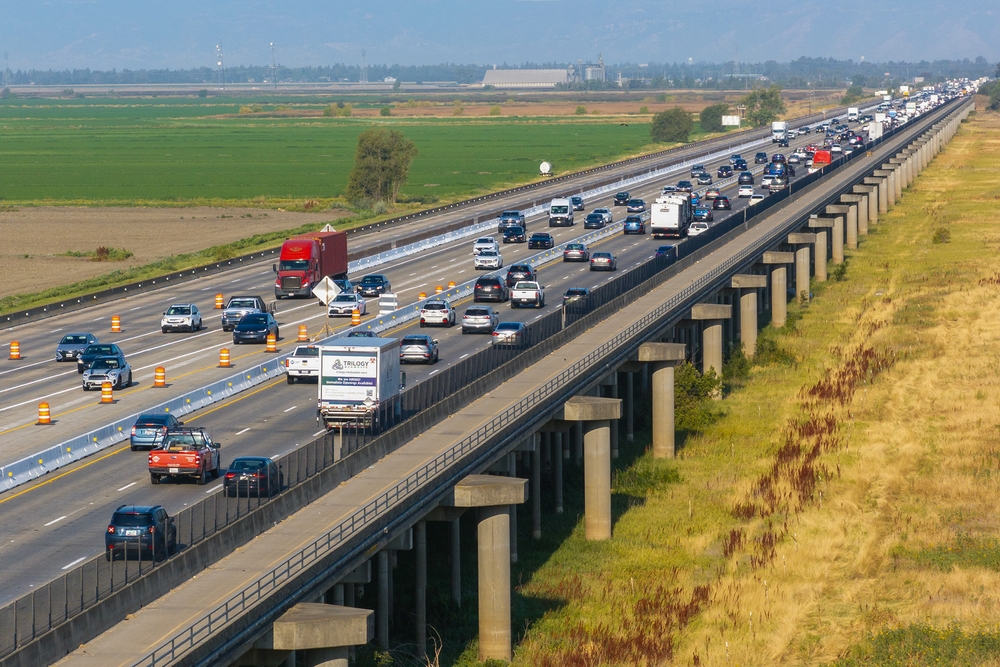
The Gathering Storm: California’s Transportation Funding Crisis
California stands at a critical juncture in its infrastructure funding paradigm, facing what experts describe as an existential threat to the state’s transportation system. For a century, since 1923, California has relied primarily on gas tax revenues to maintain its extensive network of highways and roads. This system, once reliable, now faces collapse as vehicles become more fuel-efficient and electric vehicle adoption accelerates. The California Transportation Commission’s sobering assessment reveals that the state is projected to collect $31 billion less than expected over the next decade, creating a staggering $216 billion shortfall in maintenance funding needed to keep roads safe and functional.
The core of this crisis lies in Assembly Bill 1421, introduced by Assembly Transportation Chair Lori Wilson, a Democratic legislator from Suisun City. This legislation represents not a radical policy shift, but a measured approach to studying alternatives to the current gas tax system. The bill would commission the California Transportation Commission to compile existing research and recommendations on transitioning to a road usage charge system—where drivers pay based on miles traveled rather than fuel consumed.
The Political Theater Obstructing Progress
What should be a straightforward governance matter has become ensnared in the most damaging aspects of modern partisan politics. Republican lawmakers have mounted a aggressive campaign against even studying alternatives, falsely characterizing the research bill as an immediate tax increase. This disingenuous framing has spread rapidly through social media and conservative channels nationwide, creating a climate of misinformation that threatens rational policymaking.
The irony, as the reporting reveals, is particularly striking. Many conservative interest groups and rural Republican officials actually support Wilson’s legislation, including representatives from the very districts whose GOP lawmakers are leading the opposition. This disconnect between constituents’ practical needs and political posturing reveals how deeply broken our political discourse has become.
The Human Cost of Political Cowardice
The real victims in this political theater are California’s communities, particularly rural areas that depend on well-maintained roads for their economic survival. Madera County Supervisor Robert Poythress, a Republican, expressed shame at his own party’s behavior, noting that political fear is overriding practical governance. His county has the fourth-worst roads in California, with heavyweight agricultural traffic rapidly deteriorating infrastructure that already suffers from inadequate maintenance.
Similarly, Kirk Wilbur of the California Cattlemen’s Association emphasized how essential proper road funding is for the livestock industry, stating that the status quo is “entirely untenable.” These aren’t liberal activists making these claims—they’re conservative agricultural and business leaders recognizing that functional infrastructure transcends partisan ideology.
Historical Context and Missed Opportunities
This isn’t California’s first confrontation with infrastructure funding challenges. In 2017, then-Governor Jerry Brown championed a 12-cent gas tax increase to address a $59 billion backlog in deferred highway and bridge maintenance plus $78 billion in local road repairs. The political consequences were severe—former state Senator Josh Newman lost his reelection bid largely due to backlash against this necessary measure.
The current situation reveals how little political appetite exists for addressing infrastructure needs proactively rather than reactively. As UCLA Professor Brian Taylor notes, California typically only implements such policies when “we have no choice because we are desperate for the revenues.” This crisis-to-crisis governing approach undermines long-term planning and responsible stewardship of public resources.
The Equity Dimension: Rural Communities Bear Disproportionate Burden
The current gas tax distribution system exacerbates regional inequities. Tuolumne County, with the state’s worst-rated roads, maintains 609 miles with 77,000 registered vehicles and received only $3 million from the 2017 gas tax increase. Meanwhile, Ventura County, with fewer road miles but more vehicles, received $14 million. This disparity hits rural areas particularly hard, especially those with heavy tourism or agricultural traffic and challenging weather conditions that accelerate road deterioration.
Democratic Tuolumne County Supervisor Jaron Brandon perfectly captured the injustice: “Has the gas tax worked well for rural areas? No. Should we look at alternatives that are more fair? Absolutely.” His bipartisan perspective highlights how infrastructure needs should unite rather than divide us.
Principles Before Politics: Why Governance Must Transcend Partisanship
As a firm believer in democratic principles and effective governance, I find this situation deeply alarming. The refusal to even study alternatives to a failing system represents an abandonment of basic governmental responsibility. Several principles are at stake here that should concern every American who values functional democracy:
First, the deliberate misinformation campaign against a study bill represents a dangerous erosion of truth in governance. When lawmakers falsely claim that research constitutes immediate policy implementation, they undermine public trust and rational discourse. This isn’t merely political gamesmanship—it’s an assault on the informed consent of the governed.
Second, the disproportionate impact on rural communities reveals how political cowardice often harms the most vulnerable constituencies. Republican-leaning rural areas suffer from deteriorating infrastructure while their representatives engage in performative opposition rather than practical problem-solving.
Third, the failure to plan for known future challenges—like the inevitable decline of gas tax revenue—demonstrates a profound failure of leadership. Governance requires anticipating challenges and developing evidence-based solutions, not waiting until crises force desperate measures.
The Path Forward: Courage, Evidence, and Bipartisan Solutions
Other states provide models for thoughtful transition. Oregon, Utah, and Virginia have implemented voluntary road usage charge programs, while Hawaii is phasing in a mandatory system. These examples show that alternatives exist and can be implemented with careful consideration of privacy, equity, and administrative concerns.
The research already exists—as Professor Taylor notes, we understand the issues conceptually and technically. What’s lacking is political courage. The preference for “more study” often serves as code for delayed action rather than genuine inquiry.
Assemblymember Corey Jackson correctly observes that “we’ve got to do something” as projects are canceled and deferred. This isn’t about imposing new taxes—it’s about developing a fair, sustainable system that adequately funds essential infrastructure.
Conclusion: Governing in Good Faith
The California infrastructure funding debate represents a microcosm of broader challenges in American governance. When even studying alternatives to failing systems becomes politically toxic, our democratic foundations are threatened. The solution requires returning to basic principles: evidence-based policymaking, transparent discourse, and courage to address challenges before they become crises.
Rural Republican officials like Robert Poythress and agricultural leaders like Kirk Wilbur understand what their partisan representatives seem to forget: governance requires putting practical solutions above political performance. As Poythress aptly noted, the current approach will “hurt the citizens of California in the long run.”
We must demand better from our leaders. Studying alternatives to failing systems isn’t radical—it’s responsible. Ensuring safe roads and reliable infrastructure isn’t partisan—it’s fundamental to public safety and economic prosperity. The time for political theater has passed; the time for courageous governance is now.