
California's Telework Reversal: A Climate, Fiscal, and Leadership Failure
Published
- 3 min read
The Proven Power of State Employee Telework
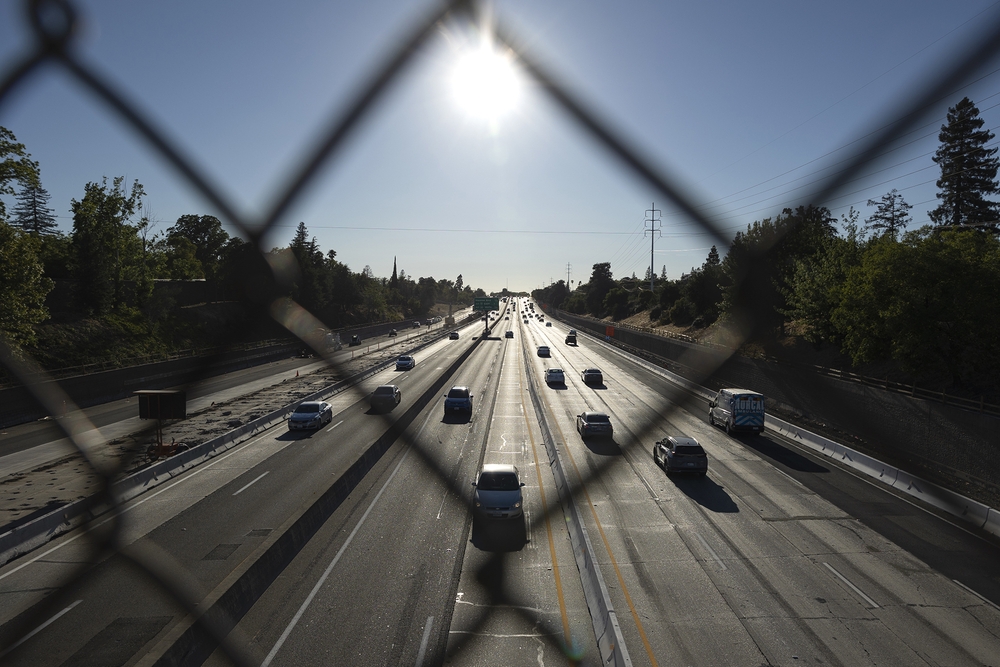
The data is clear, compelling, and frankly, astonishing. Over the last several years, an existing California policy has quietly achieved what decades of regulations and green initiatives strive for: dramatic, measurable reductions in environmental harm and public cost. As detailed by an air resources engineer with the California Air Resources Board, the state’s telework program for its employees has delivered staggering results. According to state data from 2022 and 2023, telework eliminated 1.08 billion commuter miles—a distance equivalent to 2,258 round trips to the moon. This policy saved state employees a cumulative 27.2 million hours of commute time, or over 3,100 years of driving. The environmental outcomes are directly quantifiable: 44.2 million gallons of gasoline were not burned, and nearly 393,000 metric tons of carbon dioxide were kept out of California’s atmosphere.
Beyond the profound environmental benefits, this policy is a textbook example of fiscally responsible governance. The State Auditor found last year that telework arrangements can save California an estimated $225 million annually through real estate consolidation and reduced overhead. Furthermore, internal reviews and productivity studies have consistently shown that remote and hybrid teams have maintained or even improved operational efficiency. This is a rare trifecta in public policy: a win for the planet, a win for the taxpayer, and a win for government functionality.
The Shocking Policy Reversal and Legislative Response
Despite this overwhelming evidence of success, the administration of Governor Gavin Newsom is preparing to take a monumental step backward. Starting July 1, the state plans to require its employees to double their in-office presence from two to four days per week. This directive has been issued without the administration providing any data to justify curtailing a program with such documented, multifaceted benefits. This move directly undermines the state’s own aggressive climate goals and fiscal stewardship.
In response to this perplexing and potentially destructive decision, Assemblymember Alex Lee has introduced Assembly Bill 1729. This critical piece of legislation seeks to codify telework as a core component of state employment. AB 1729 would require departments to develop and maintain robust telework programs and implement them in situations “identified as being both practical and beneficial to the organization.” Crucially, it would mandate regular public reporting on the emissions reductions, fuel savings, and other benefits the program achieves. The bill aims to prevent future administrations from arbitrarily rolling back what has been proven to be a potent climate solution, establishing telework as a permanent tool in California’s environmental and operational toolkit.
A Betrayal of Climate Leadership and Data-Driven Governance
The Governor’s planned reversal is not merely a bad administrative decision; it is a profound betrayal of the very principles of climate leadership and evidence-based policymaking that California purports to champion on the global stage. Governor Newsom frequently touts the state’s climate activism, positioning California as a beacon of environmental progress. Yet, here we have a policy that delivers cleaner air, reduces traffic congestion, and cuts greenhouse gas emissions at scale—and his administration’s response is to sharply limit it. This hypocrisy cannot be ignored. Leadership is defined by action, not rhetoric. When presented with irrefutable data showing a policy’s success, true leaders double down on it; they do not retreat.
This decision signals a dangerous disregard for empirical evidence in favor of what appears to be an antiquated, inflexible view of “how work should be done.” It prioritizes the physical presence of workers in cubicles over the tangible, life-improving outcomes of cleaner air and shorter commutes. For a state battling catastrophic wildfires, extreme drought, and poor air quality—all exacerbated by climate change—willfully increasing vehicle emissions is nothing short of negligent. It places political or bureaucratic comfort above planetary and public health.
An Assault on Fiscal Responsibility and Public Trust
The fiscal irresponsibility of this move is equally staggering. In an era of constant budget scrutiny and calls for efficient government, voluntarily abandoning a policy that saves an estimated quarter-billion dollars per year is indefensible. The $225 million in annual savings identified by the State Auditor represents funds that could be redirected to education, healthcare, infrastructure, or further climate resilience projects. Forcing a return to high-cost, high-overhead office-centric operations is a direct disservice to California taxpayers, who deserve a government that maximizes the value of every dollar. This decision suggests a troubling complacency with wasting public resources, eroding the trust that is foundational to a functioning democracy.
The Human and Institutional Cost
Beyond the environmental and budgetary impacts, this policy reversal demonstrates a profound disrespect for state employees themselves. The 27.2 million hours of commute time saved represent more than just a number; they represent time given back to families, to communities, and to personal well-being. They represent reduced stress, lower transportation costs for workers, and greater flexibility. Forcing a mass return to congested commutes is a regressive policy that diminishes quality of life and work-life balance for tens of thousands of public servants. Furthermore, by undermining a policy that internal audits show maintains productivity, the state risks damaging morale and making public service a less attractive career path.
Institutionally, this move weakens the rule of law and good governance. Policies should be developed and adjusted based on performance metrics and clear evidence. The administration’s failure to provide any data to justify its plan establishes a terrible precedent. It tells every department and every citizen that even the most successful, data-rich programs can be overturned by arbitrary decree. This erodes the integrity of the state’s policymaking apparatus and makes it vulnerable to the whims of future administrations, regardless of the facts on the ground.
The Path Forward: Principle Over Politics
The choice for California is stark and defining. It is a choice between climate-smart, fiscally responsible governance driven by data, and a return to outdated office routines that actively undermine the state’s own proclaimed environmental and budgetary goals. Supporting Assembly Bill 1729 is not just a vote for telework; it is a vote for rationality, for accountability, and for genuine leadership. It is a commitment to locking in a proven good, ensuring that the environmental and economic benefits of flexible work cannot be erased by political fiat.
The principle at stake is fundamental: our commitment to a sustainable future and efficient government must be comprehensive and unwavering. It cannot be switched on for press conferences and global summits only to be switched off when it applies to the state’s own operations. The state government must lead by example. If California is serious about its role as a climate leader, it must align its internal workplace policies with its external ambitions. The data provides the roadmap. The telework program has delivered cleaner air, freer roads, saved time, and conserved public funds. The only sensible, principled path is to fortify this success, not fracture it. Our commitment to the environment, to fiscal sanity, and to our public servants must not stop at the state office door—it must define what happens inside it.