
California's Triple Crisis: Erasing History While Ignoring Real Problems
Published
- 3 min read
The Unfolding Scandals and Crises
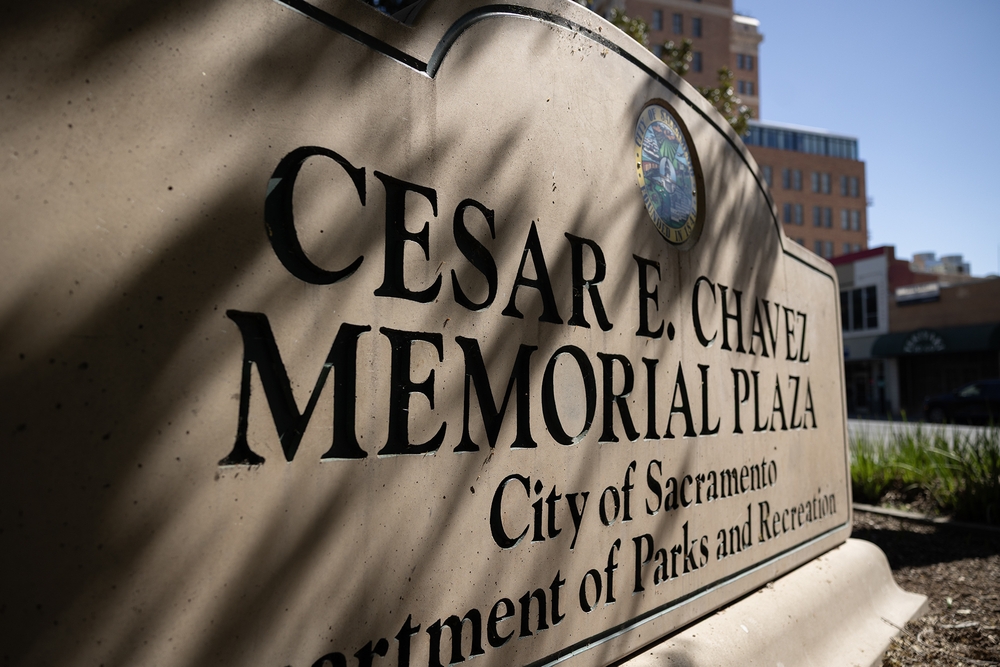
The past week has revealed multiple converging crises in California that strike at the very heart of our democratic institutions, environmental security, and ethical governance. Democratic leaders announced they are fast-tracking legislation to rename César Chávez Day as Farmworkers Day following a New York Times investigation detailing allegations that the once-revered farmworkers’ union organizer had molested or raped several women, including Dolores Huerta who co-founded the United Farm Workers union with Chávez. This move has triggered a statewide scramble to remove Chávez’s name from streets, monuments, and institutions.
Simultaneously, California faces an environmental emergency as this year’s snowpack ranks among the 10 lightest on record, melting at an alarming rate of roughly 1% per day due to unseasonal heat. This critically low snowpack threatens the state’s water supply and portends a dangerously severe wildfire season in the coming months.
Adding to these crises, new reports reveal California lawmakers accepting lavish gifts including overseas trips, spa treatments, resort stays in Hawaii, fancy dinners, and premium sports event seats from moneyed interest groups. All this is perfectly legal under current California laws, creating an unequal access system where average voters cannot compete with well-funded lobbyists.
The Danger of Symbolic Actions Over Substantive Change
What deeply concerns me about the rush to rename César Chávez Day is not the decision itself - sexual misconduct allegations must be taken seriously and addressed appropriately - but rather the pattern it represents. We are witnessing institutions prioritizing symbolic gestures over substantive accountability. Removing a name from a holiday may be politically convenient, but it does little to address the systemic issues that allowed such alleged behavior to occur or to support victims of sexual violence.
This performative response mirrors how our political system often operates: quick to change symbols, slow to change structures. The same lawmakers who are fast-tracking the holiday name change are the ones accepting lavish gifts from special interests. The same system that failed to protect women from alleged abuse continues to fail Californians in addressing our water crisis and ethical governance challenges.
True accountability requires more than renaming holidays. It demands transparent investigations, support for victims, and institutional reforms that prevent abuse of power. We must ask why our leaders find it easier to remove a name from a calendar than to remove the influence of moneyed interests from our political system or address our worsening environmental crises.
The Environmental Emergency We Cannot Ignore
The snowpack crisis represents another failure of forward-thinking governance. California’s water future looks increasingly precarious as climate change accelerates. The fact that this year’s snowpack is melting at 1% per day should alarm every Californian. This isn’t just an environmental issue - it’s a matter of economic stability, agricultural viability, and public safety given the increased wildfire risk.
Our leaders must prioritize long-term water security over short-term political gains. The same urgency being applied to renaming a holiday should be directed toward developing comprehensive water management strategies, investing in sustainable infrastructure, and implementing serious climate adaptation measures. Instead, we see piecemeal responses to immediate crises while the foundational challenges continue to worsen.
The Corruption of Democratic Access
The revelation that California lawmakers legally accept luxury gifts from special interests reveals how deeply corrupted our democratic processes have become. When lobbyists can buy access with spa treatments and Hawaiian vacations that ordinary citizens could never afford, we have abandoned the principle of equal representation. Lawmakers may insist these perks don’t influence their decisions, but watchdog groups rightly note that lobbying outfits wouldn’t spend millions on these gifts if they didn’t produce results.
This system creates two tiers of citizenship: those who can afford to buy influence and those who cannot. It undermines public trust in government and distorts policy priorities toward serving special interests rather than the public good. The fact that this occurs while California faces multiple crises makes the situation particularly egregious.
A Call for Authentic Leadership
California needs leaders who will address these interconnected crises with courage and principle. We need:
- Genuine accountability for sexual misconduct allegations that centers victims rather than political convenience
- Comprehensive water security planning that addresses climate reality
- Ethical reform that eliminates legalized bribery in our political system
- Transparency in how decisions are made and who influences them
Renaming a holiday while ignoring these deeper issues represents the worst kind of political theater. It gives the appearance of action without the substance of change. Californians deserve better than symbolic gestures while our water security deteriorates, our political system remains corrupted by special interests, and we fail to properly address allegations of serious misconduct.
Our democratic institutions are only as strong as our commitment to truth, accountability, and equal representation. When we prioritize reputation management over justice, when we allow money to distort political access, when we fail to plan for environmental realities, we weaken the very foundations of our society.
The path forward requires courageous leadership that puts principles over politics, substance over symbols, and the public good over special interests. Only then can we address these converging crises with the seriousness they deserve.