
Corruption and Neglect: The Twin Crises Rocking California's Moral Foundation
Published
- 3 min read
The Unfolding Scandals: A Factual Overview
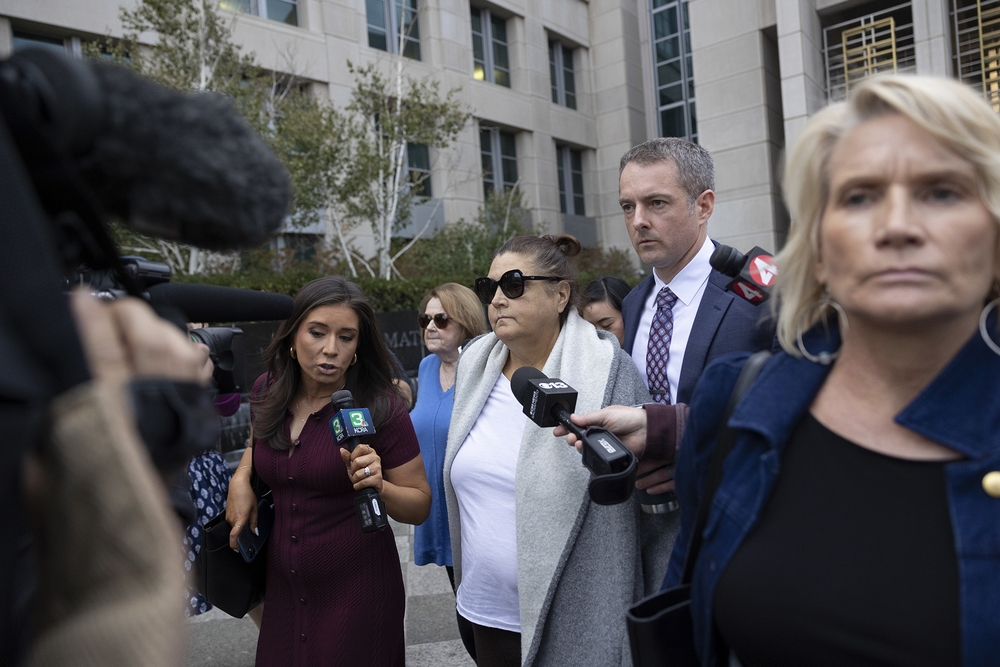
California finds itself facing simultaneous crises that strike at the very heart of democratic governance and social responsibility. The California Fair Political Practices Commission has launched two significant investigations into Dana Williamson, Governor Gavin Newsom’s former chief of staff, and her associates following federal indictments for bank and wire fraud. The allegations paint a disturbing picture of abuse of power, with federal prosecutors accusing Williamson of falsifying tax records, interfering in a state lawsuit against former client Activision Blizzard, lying to federal investigators, and conspiring with lobbyist Greg Campbell, former Deputy Attorney General Sean McCluskie, his spouse, and Democratic consultant Alexis Podesta to steal money from a dormant campaign account belonging to Xavier Becerra.
Meanwhile, a separate crisis unfolds within California’s higher education system. A recent University of California system report reveals that nearly half of undergraduate students and more than a third of graduate students experienced food insecurity in 2024—a range spanning from lacking balanced meals to skipping meals entirely. Despite the UC Board of Regents setting a goal in 2020 to reduce student food and housing insecurity by 50% by 2025, both metrics have increased rather than decreased. Student housing insecurity, encompassing rent anxiety, couch surfing, or homelessness, has ranged from 3% to 8% over the past five years, with students with children reporting even higher levels of insecurity.
The Context of Power and Privilege
The Williamson case represents more than mere individual wrongdoing—it symbolizes a system where connections and access can allegedly be weaponized for personal gain. Federal prosecutors assert that Williamson received income from Activision Blizzard within the year before joining Newsom’s office, which should have disqualified her from involvement in any decisions regarding the company. Instead, the complaint alleges she used her position as chief of staff to help settle a lawsuit between the state and her former client. This pattern of behavior, if proven, demonstrates a chilling disregard for ethical boundaries and the public trust.
The second investigation focuses on potential violations of campaign finance and aiding and abetting provisions of the Political Reform Act, suggesting a broader network of individuals working to circumvent campaign finance laws. The involvement of multiple political operatives across different spheres of influence—from lobbying to legal counsel to political consulting—points to systemic vulnerabilities in our political oversight mechanisms.
The Human Cost of Institutional Failure
While these political dramas unfold, the silent crisis of student hunger represents a different kind of institutional failure—one of neglect rather than active corruption. The University of California system receives $19.5 million annually in state support for student basic needs interventions, including housing vouchers and free food programs. Yet this support has proven insufficient to address the scale of the problem, particularly as federal dollars for food stamps are projected to decline under legislation backed by Congressional Republicans.
The timing of these parallel crises creates a jarring contrast: as political insiders allegedly manipulate systems for personal enrichment, thousands of students struggle to meet their most basic nutritional needs. This dichotomy exposes fundamental questions about our priorities as a society and the moral compass of our institutions.
A Democratic Crisis of Confidence
From a democratic perspective, the Williamson case represents everything that erodes public trust in governance. When those in positions of highest responsibility allegedly use their power for personal gain, they undermine the social contract that forms the foundation of representative democracy. The involvement of multiple individuals across different sectors of influence suggests potential systemic vulnerabilities that extend beyond any single administration or political party.
What makes these allegations particularly damaging is their timing and context. They emerge during a period of heightened public skepticism about government integrity and political accountability. Each new revelation about ethical violations among powerful figures reinforces public cynicism and weakens the democratic institutions that depend on citizen trust to function effectively.
The campaign finance aspects of the investigation strike at the heart of electoral integrity. If political operatives can indeed manipulate dormant campaign accounts and circumvent contribution limits, they undermine the principle of fair and transparent elections. This isn’t merely about technical violations—it’s about protecting the sanctity of our democratic processes from those who would treat them as tools for personal advancement.
The Moral Imperative of Student Welfare
The student hunger crisis represents a different but equally urgent democratic challenge. Education serves as the great equalizer in our society—the mechanism through which we provide opportunity regardless of background or circumstance. When nearly half of our university students cannot reliably access adequate nutrition, we fail in our most basic commitment to equal opportunity.
The data reveals particularly troubling patterns: students with children face even higher levels of food and housing insecurity, suggesting we are failing those who shoulder the dual responsibilities of education and parenthood. The persistence of these problems despite institutional goals and dedicated funding indicates structural failures that require more than incremental solutions.
From a democratic standpoint, educational access and success form the foundation of an informed citizenry capable of meaningful participation in self-governance. Students struggling with hunger cannot fully engage with their education, undermining their development as future leaders and active citizens. This isn’t merely a social welfare issue—it’s a fundamental democratic imperative.
The Intersection of Power and Responsibility
These parallel crises demonstrate how failures at the top of power structures inevitably affect the most vulnerable. The alleged corruption among political elites diverts attention, resources, and political will from addressing pressing social needs like student hunger. When those in power appear focused on self-enrichment rather than public service, they create a culture where basic responsibilities to citizens can be neglected.
The contrast couldn’t be starker: while political operatives allegedly manipulate systems for personal gain, students who have followed the rules—working toward education and betterment—cannot secure basic nutrition. This represents a catastrophic failure of prioritization and a breach of the social compact that should bind citizens and their representatives.
Toward Accountability and Reform
Addressing these twin crises requires both immediate accountability and long-term structural reform. The investigations into Williamson and her associates must proceed without political interference, and any verified violations should face appropriate consequences. Transparency throughout this process will be essential to rebuilding public trust.
For the student hunger crisis, we need more than temporary measures. We require a comprehensive re-evaluation of how we support students’ basic needs, including examining whether current funding levels match the scale of the problem, improving access to existing resources, and addressing the root economic factors driving food and housing insecurity among students.
Ultimately, these crises remind us that democracy requires constant vigilance—both against active corruption and passive neglect. They challenge us to demand better from our institutions and representatives, and to remember that public service should mean exactly that: serving the public, not exploiting one’s position for personal advantage while ignoring the needs of the most vulnerable.
Our democratic health depends on addressing both forms of failure—the active abuse of power and the passive tolerance of suffering. Only by confronting both can we build a California, and a nation, that truly lives up to its democratic ideals and humanistic principles.