
Delta's Stand: When Corporate Responsibility Exceeds Political Leadership
Published
- 3 min read
The Facts: Delta’s Decision in Context
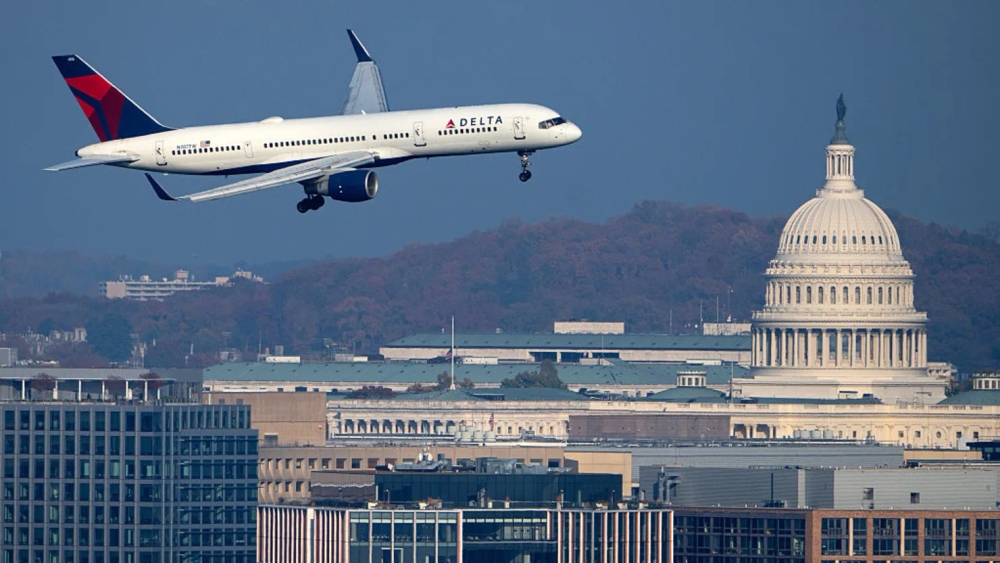
Delta Air Lines made headlines this week by suspending its airport escort and red coat services for members of Congress and their staff. This decision comes as a direct result of the ongoing partial shutdown of the Department of Homeland Security, which has created resource constraints for the airline. The suspension affects specialty services that had been provided to federal lawmakers, though Delta’s Capital Desk reservation line remains operational.
The move represents more than just a operational adjustment—it’s a symbolic gesture that underscores the growing frustration with Washington’s dysfunction. Delta CEO Ed Bastian had previously expressed outrage during a CNBC interview about Congress’s failure to authorize pay for Transportation Security Administration agents during the shutdown. These TSA agents, who are essential to aviation security, are set to miss their second full paycheck this week, leading to elevated absences and resulting in extra-long security lines at major airports including Atlanta, where Delta is headquartered.
The Broader Context of Government Shutdowns
This situation represents yet another chapter in the increasingly common phenomenon of government shutdowns that have plagued American politics in recent years. The article mentions repeated funding impasses, including those in early 2019 and as recently as last fall, which typically end only when absences of government workers required to work without pay become unsustainable.
The partial shutdown of the Department of Homeland Security specifically impacts TSA agents who continue working without pay—a situation that Delta’s CEO rightly called “inexcusable” and “ridiculous” when these essential workers are used as “political chips.” This pattern of governing by crisis has become normalized in Washington, with real consequences for the Americans who depend on government services and the workers who provide them.
Corporate Leadership in the Absence of Political Leadership
What makes Delta’s action particularly noteworthy is that it represents a rare instance of corporate America taking a principled stand against political dysfunction. While United Airlines stated it had “no changes to announce today” regarding similar perks for members of Congress, and American Airlines had not commented when the article was published, Delta chose to make a statement through action.
CEO Ed Bastian’s comments to CNBC reveal the moral outrage driving this decision: “It’s inexcusable that our security agents, our frontline agents, that are essential to what we do, are not being paid. And it’s ridiculous to see them being used as political chips.” His call to action—urging Washington to “do their job, get our people paid”—reflects a growing impatience with political gamesmanship that compromises both national security and basic human dignity.
The Principle at Stake: Equal Treatment Under Crisis
Delta’s statement that affected customers “will be treated like any other passengers based on their respective Sky Miles status” carries profound symbolic weight. In a democracy, the principle that all citizens—including elected officials—should be subject to the same conditions and constraints during times of crisis is fundamental. The special perks that had been afforded to members of Congress represented a form of privileged treatment that becomes particularly offensive when essential workers are suffering.
This action raises important questions about the relationship between corporate entities and government officials. When political leaders fail in their basic responsibilities, should private companies continue to provide them with special treatment? Delta’s answer appears to be a resounding no, and this stance deserves recognition as a defense of basic fairness and accountability.
The Human Cost of Political Failure
Behind the policy discussions and corporate decisions lie real human beings facing real hardship. The TSA agents missing their second paycheck are not abstract concepts—they are fathers and mothers, rent-payers and bill-payers, citizens who have chosen careers in public service. Their forced unpaid labor represents a violation of basic American values about fair compensation for work performed.
The elevated absences mentioned in the article suggest that even these dedicated public servants are reaching breaking point. When security personnel cannot afford to show up for work because they haven’t been paid, the entire aviation system—and by extension, the national economy—faces increased risk. This isn’t merely a political disagreement; it’s a failure of governance that compromises public safety.
A Call for Democratic Renewal
This situation should serve as a wake-up call for all who believe in democratic principles and constitutional governance. The repeated government shutdowns represent a breakdown in the basic functioning of our system—a system designed to ensure continuity of government and protection of citizens’ interests.
The Founders created a system of checks and balances to prevent tyranny, not to enable perpetual crisis. When Congress cannot fulfill its most basic responsibility—funding the government—the entire constitutional structure is undermined. Delta’s action, while symbolic, highlights this failure and challenges us to demand better from our elected representatives.
The Path Forward: Accountability and Reform
What solutions might prevent such crises in the future? Several approaches deserve consideration, including automatic continuing resolutions that would prevent shutdowns when budget agreements aren’t reached, guaranteed back pay for essential workers forced to work without compensation, and greater political accountability for those who instigate these crises.
Ultimately, however, no procedural fix can replace the need for elected officials who take their constitutional responsibilities seriously. The American system depends on good faith governance and compromise—qualities that seem increasingly scarce in today’s political environment.
Conclusion: A Moment of Reckoning
Delta Air Lines’ decision to suspend congressional perks represents more than a corporate policy change—it’s a reflection of the growing outrage among Americans who witness the repeated failure of their government to perform basic functions. While private companies should not have to serve as checks on government dysfunction, Delta’s stance deserves recognition as a defense of basic fairness and accountability.
This moment should serve as a reckoning for our political system. The workers who keep us safe deserve better than being used as political pawns. The citizens who depend on government services deserve better than perpetual crisis. And the nation founded on principles of democratic governance deserves leaders who will uphold their constitutional duties rather than subvert them for political gain.
The solution begins with remembering that government exists to serve the people, not to perpetuate political gamesmanship. It continues with holding accountable those who prioritize partisan advantage over responsible governance. And it culminates in rebuilding a political culture that values governance over grandstanding, compromise over confrontation, and public service over personal privilege.