
Homeland Security Shakeup: Political Loyalty Over Competence Puts Nation at Risk
Published
- 3 min read
The Facts: A Sudden Leadership Change Amidst Turmoil
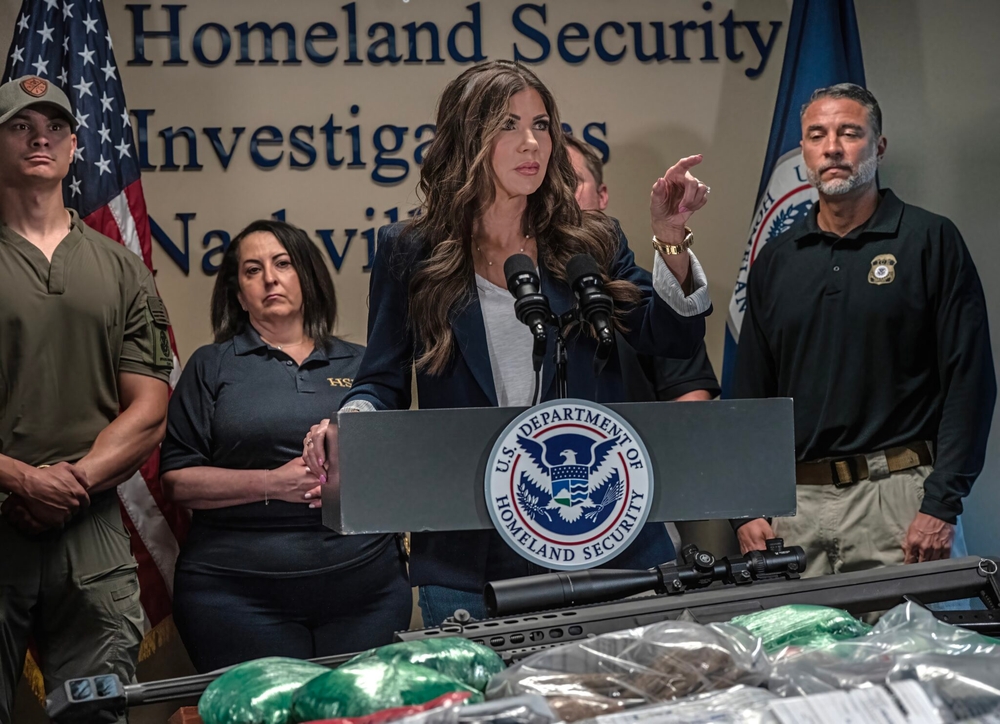
In a move that has sent shockwaves through Washington, President Donald Trump announced on Thursday that Homeland Security Secretary Kristi Noem would be leaving her position to take on a role as special envoy for a new “Security Initiative in the Western Hemisphere.” Her replacement, Oklahoma Republican Senator Markwayne Mullin, represents a significant shift in leadership for the department responsible for border security, disaster response, and counterterrorism operations.
The timing of this announcement is particularly noteworthy, coming just days after Secretary Noem faced a brutal bipartisan grilling during a Senate oversight hearing. Republican Senators Thom Tillis of North Carolina and John Kennedy of Louisiana led the charge, criticizing Noem for her handling of no-bid contracts awarded to political allies, disastrous delays in disaster relief funding approval, and controversial immigration enforcement operations that resulted in civilian deaths.
The article reveals that Noem’s departure appears connected to several scandals, including a $220 million ad campaign promoting “self-deportation” that she claimed President Trump approved—though reports suggest he was actually frustrated with its self-promotional nature. Additionally, her authorization of an aggressive immigration operation in Minneapolis led to the deaths of two U.S. citizens, Renee Good and Alex Pretti, both 37 years old.
Meanwhile, the Department of Homeland Security remains in a precarious position, currently experiencing its 19th day of a shutdown as Senate Democrats refuse to approve funding without policy changes to immigration enforcement tactics. A vote to move forward on agency funding failed again on Thursday with a 51-45 vote, falling short of the required 60 votes.
Context: A Pattern of Disregard for Institutional Competence
This leadership change must be understood within the broader context of the Trump administration’s approach to governance. The Department of Homeland Security represents one of the most critical institutions for protecting American citizens, encompassing agencies like FEMA, TSA, and immigration enforcement. Yet, the administration appears to be treating its leadership as a political reward rather than a serious responsibility requiring expertise and experience.
Senator Mullin’s nomination raises immediate concerns about qualifications. The article notes he has “little experience in homeland security” and doesn’t serve on any committees overseeing or appropriating funds to the agency. His legislative background focuses on energy, commerce, transportation, and natural resources—valuable experience but not directly relevant to the complex challenges facing DHS.
The timing also suggests this move may be influenced by political considerations beyond governance effectiveness. Noem’s potential return to South Dakota politics—possibly challenging Senator Mike Rounds in a primary—and Mullin’s departure from the Senate both have implications for the political landscape. These considerations should never overshadow the critical need for competent leadership at such a vital agency.
Opinion: Democracy Requires Competence, Not Loyalty Tests
As someone deeply committed to democratic principles and effective governance, I find this development profoundly disturbing. The Department of Homeland Security deserves leadership based on qualifications, experience, and commitment to the rule of law—not political loyalty or willingness to implement extreme policies.
The removal of Kristi Noem following bipartisan criticism might seem justified given her poor performance, but replacing her with someone equally unqualified demonstrates this administration’s disregard for competent governance. Senator Mullin’s primary qualification appears to be his loyalty to the president’s agenda, particularly his support for “mass deportations” and the “war against Iran.”
This pattern of prioritizing loyalty over competence undermines our democratic institutions and threatens national security. Homeland Security requires steady, experienced leadership capable of managing complex challenges from natural disasters to terrorist threats. The department’s mission is too important to become a political football or reward for loyalists.
The ethical concerns surrounding Noem’s tenure cannot be overlooked either. Awarding no-bid contracts to political allies, misleading Congress about presidential approval of expensive ad campaigns, and implementing policies that resulted in American deaths represent serious failures of leadership. These actions demonstrate a disregard for accountability and transparency that should concern every citizen who values ethical government.
The Human Cost of Political Theater
Perhaps most troubling are the human consequences of these leadership failures. The deaths of Renee Good and Alex Pretti in Minneapolis immigration operations represent a tragic outcome of policies implemented without sufficient consideration for their impact on American communities. When federal operations result in citizen deaths, we must demand the highest level of scrutiny and accountability—not political reassignments.
Similarly, Senator Tillis’s criticism of Noem’s disaster relief policies highlights how bureaucratic incompetence directly harms Americans in need. Creating bottlenecks in emergency funding approval while communities suffer from hurricane damage represents a fundamental failure of government’s most basic responsibility: protecting its citizens.
The proposed solution—replacing one problematic leader with another lacking relevant experience—suggests this administration has learned nothing from these failures. Rather than addressing systemic issues or seeking genuinely qualified leadership, they’re simply rotating loyalists through positions of power regardless of their ability to perform these critical roles effectively.
Constitutional Principles Demand Better
Our constitutional system relies on competent execution of governmental functions. The founders envisioned a government capable of effectively serving its citizens, not one where positions of immense responsibility become rewards for political loyalty. The Department of Homeland Security’s mission—protecting the homeland—is literally spelled out in its name and deserves leadership commensurate with its importance.
The Senate must take its advice and consent responsibility seriously during Mullin’s confirmation process. They should rigorously examine his qualifications, his understanding of the department’s complex mission, and his commitment to non-partisan execution of his duties. Confirming an unqualified loyalist would represent a dereliction of the Senate’s constitutional duty.
Furthermore, the American people deserve transparency about the reasons behind Noem’s reassignment. If, as reports suggest, she misled Congress about presidential approval of the ad campaign, that raises serious ethical concerns that should be properly investigated rather than swept aside with a new appointment.
Conclusion: Protecting Institutions Protects Democracy
This Homeland Security shakeup represents more than just personnel change—it reflects a dangerous approach to governance that prioritizes political loyalty over institutional competence. As citizens who value our democratic system, we must demand better. Our security institutions deserve leaders chosen for their qualifications and commitment to the rule of law, not their willingness to implement extreme policies or their personal loyalty to the president.
The founders designed our system with checks and balances precisely to prevent this kind of political maneuvering from undermining effective governance. It’s now up to Congress, the media, and the American people to hold this administration accountable and insist that positions of public trust be filled based on merit rather than political considerations.
Our democracy depends on institutions that function effectively and ethically. When we allow political loyalty to trump competence in critical roles, we undermine the very foundations of our republic. The Department of Homeland Security deserves leadership that puts the security of all Americans above partisan politics—anything less represents a betrayal of our democratic principles and a threat to our nation’s safety.