
Idaho's Bathroom Bill: A Dangerous Assault on Liberty and Human Dignity
Published
- 3 min read
The Legislation in Context
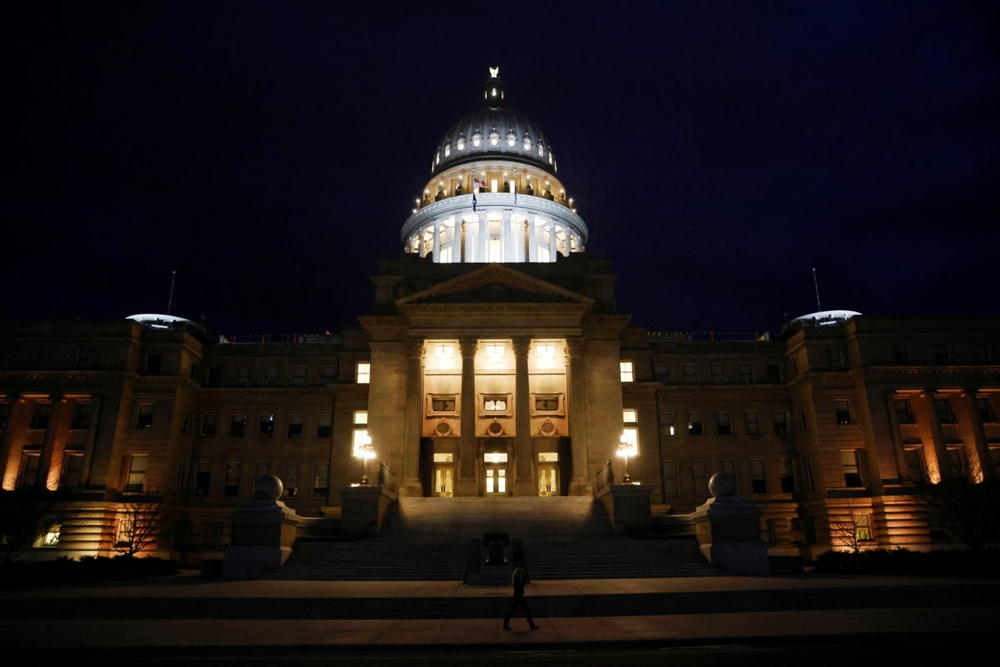
Idaho’s Republican supermajority is advancing legislation that would make it a criminal offense for transgender individuals to use bathrooms and changing facilities matching their gender identity in any “place of public accommodation” - including privately owned businesses. This represents the most expansive bathroom restriction bill in the nation, going beyond the 19 states that already limit transgender bathroom access in schools and some public facilities.
The proposed law would impose severe penalties: up to one year in jail for a first offense misdemeanor and up to five years in prison for a felony second offense. Astonishingly, these penalties exceed those for first-time drunk driving convictions or displaying offensive sexual material in public. The bill carves out exceptions for emergency responders, custodians, coaches, and those in “dire need,” but these exceptions create their own problematic implementation issues.
The Political Landscape
This legislation emerges amid a nationwide push to restrict transgender rights, with at least 25 states barring transgender women and girls from sports competitions and 27 states restricting or banning gender-affirming care for minors. President Donald Trump has identified expanding these policies as priorities, indicating this represents a coordinated national effort rather than isolated state actions.
Idaho’s bill stands out for its breadth - applying to private businesses rather than just public facilities - and its severity of punishment. The legislation would effectively require business owners to enforce gender policing or face potential liability, creating an unprecedented intrusion into private enterprise.
Law Enforcement Opposition
Remarkably, multiple law enforcement organizations including the Idaho Fraternal Order of Police, Idaho Chiefs of Police Association, and Idaho Sheriff’s Association oppose this legislation. They recognize the impossible position it would place officers in, tasking them with visually determining someone’s biological sex or assessing their level of “dire need” for bathroom access.
These professional law enforcement groups understand that this bill would transform officers into bathroom police rather than crime fighters. Their opposition speaks volumes about the practical unworkability of this legislation and its potential to strain police-community relations.
The Human Cost
Transgender individuals like Nikson Matthews, a man with a beard, would be forced into women’s restrooms where his masculine appearance puts him at risk of aggression. John Bueno, a University of Idaho student, warns this will create a culture of “narcing” and “transvestigating” that encourages citizens to police each other’s gender presentation.
Laura Volgert highlights the practical implications for employment - transgender workers cannot reasonably be expected to “hold it” for eight-hour shifts. Heron Greenesmith of the Transgender Law Center notes the dehumanizing nature of requiring people to prove “dire need” for basic biological functions.
A Fundamental Betrayal of American Principles
This legislation represents nothing less than a full-scale assault on the fundamental principles of liberty, privacy, and equal protection that form the bedrock of our constitutional democracy. The notion that the state can criminalize something as basic as using a restroom based on identity rather than conduct should alarm every freedom-loving American.
The bill’s proponents claim it’s about “safety” and “decency,” but these are transparent pretexts for discrimination. If safety were truly the concern, lawmakers would listen to law enforcement professionals who unanimously oppose this legislation. If decency were the goal, we wouldn’t see proposals that force people to choose between risking arrest or facing violence in inappropriate facilities.
The Constitutional Implications
This legislation raises serious constitutional questions under the Equal Protection Clause of the Fourteenth Amendment and potentially violates privacy rights protected by various constitutional provisions. By creating different legal standards based on gender identity, the state engages in precisely the type of discrimination our Constitution prohibits.
The bill’s vagueness - requiring assessment of “biological sex” and “dire need” - creates due process concerns that could trap innocent people in legal nightmares. How exactly does one prove they were in “dire need” of a bathroom? As Heron Greenesmith aptly asked, “How does one prove that one was going to poop on the floor?”
The Slippery Slope of Government Overreach
When the state claims the power to regulate which bathrooms citizens can use in private businesses, we’ve entered dangerous territory indeed. This represents an expansion of government authority into the most intimate aspects of daily life that should concern conservatives and liberals alike.
The precedent set here could easily extend to other forms of identity-based regulation. If the state can criminalize bathroom use based on gender identity, what prevents future laws restricting other activities based on race, religion, or political affiliation? Once we accept the principle that government can regulate fundamental human activities based on identity characteristics, we’ve abandoned core American liberties.
The Economic and Social Consequences
Beyond the constitutional concerns, this legislation would have devastating economic consequences for Idaho. Businesses seeking to attract diverse talent would face additional hurdles, and conventions, tourism, and corporate relocations would likely avoid a state that openly discriminates against LGBTQ+ individuals.
More importantly, the social cost is immeasurable. John Bueno correctly identifies that these laws “will increasingly deter queer individuals from Idaho universities and the state as a whole” - which he notes is “probably the primary purpose.” This represents a deliberate effort to drive out certain citizens based on their identity, creating a homogenized society through government coercion.
The Alternative: Privacy and Dignity for All
Rather than creating divisive legislation that solves nonexistent problems, lawmakers should focus on ensuring privacy and dignity for all citizens. Single-use facilities provide privacy for everyone regardless of gender identity. Businesses should have the freedom to design their facilities to accommodate all customers without government mandate.
True privacy concerns are addressed through laws against harassment and voyeurism that already exist - laws that protect all people regardless of which facility they use. The solution to potential misconduct isn’t to criminalize identity but to enforce existing laws against actual harmful conduct.
A Call to Defend American Values
This moment requires all Americans who believe in liberty, privacy, and equal protection under the law to stand against this dangerous legislation. We must reject the politics of division that pit citizens against each other and instead embrace our shared humanity.
The founders established a system of government limited in its power over individual lives precisely to prevent this type of intrusive regulation. They understood that liberty includes the right to live without government interference in the most personal aspects of daily existence.
Idaho’s bathroom bill represents everything our constitutional system was designed to prevent: majority imposition on minority rights, government overreach into private life, and the criminalization of identity rather than conduct. It stands as a stark warning about how quickly fundamental freedoms can erode when we abandon our commitment to liberty for all.
We must demand that our lawmakers uphold their oath to defend the Constitution and reject this un-American assault on human dignity. The soul of our democracy depends on protecting the rights of all citizens, especially those most vulnerable to majority prejudice. History will judge how we respond to this moment - will we stand for liberty or sanction discrimination?