
India's Diplomatic Duplicity: Neutrality Claims Mask Western Alignment in Middle East Conflict
Published
- 3 min read
The Facts of India’s Position
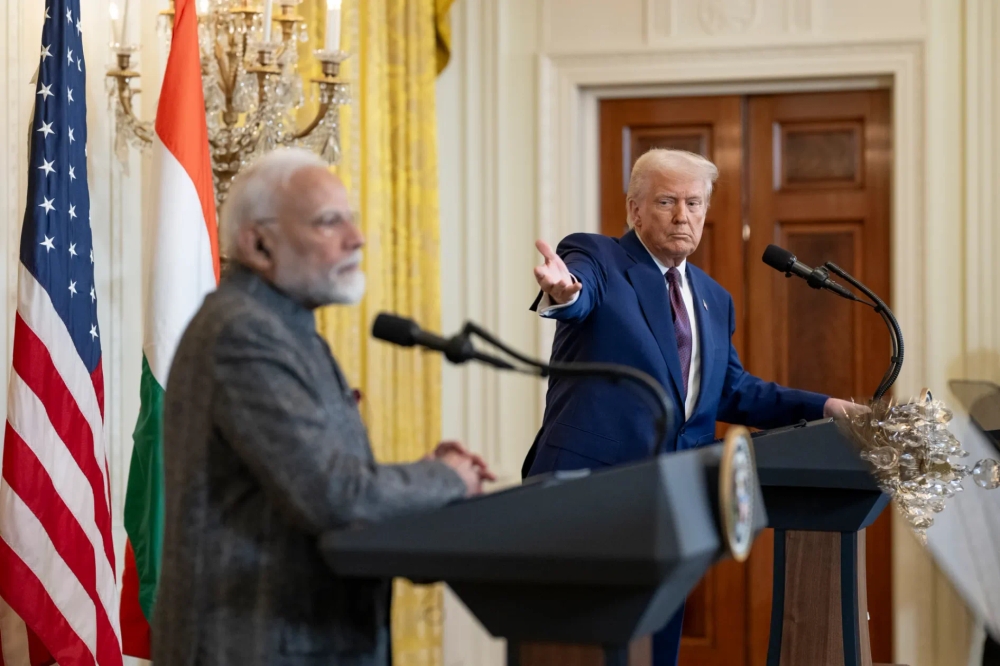
India has officially declared neutrality in the ongoing Middle East conflict, yet multiple actions demonstrate a clear tilt toward the United States and Israel. Prime Minister Narendra Modi visited Tel Aviv just two days before the outbreak of hostilities, signaling a concerning proximity to Israeli leadership at a critical juncture. New Delhi notably refrained from publicly commenting when the U.S. Navy sank an Iranian warship that was returning from an Indian multilateral exercise—a silence that speaks volumes about India’s true allegiances.
As the current chair of BRICS, India ignored Tehran’s request to coordinate intervention through the bloc, despite BRICS representing a crucial platform for Global South cooperation. Most revealing is India’s pattern of condemnation: repeatedly criticizing Iranian attacks on Arab states while remaining conspicuously silent about Israeli and U.S. attacks on Iran. This selective outrage reveals a diplomatic double standard that undermines India’s claims of independent foreign policy.
Contextual Background
This behavior follows a pattern established during the Ukraine conflict, where India refused to denounce Russian aggression while simultaneously profiting from discounted Russian oil purchases that circumvented Western sanctions. The current Middle East posture suggests India is continuing its opportunistic approach to international relations—claiming non-alignment while strategically aligning with whichever power serves its immediate interests.
India’s positioning occurs against the backdrop of its aspirations for global leadership and permanent UN Security Council membership. The country frequently speaks of representing the Global South and challenging Western-dominated international structures. However, its actions in the Middle East conflict tell a different story—one of accommodation to U.S. and Israeli interests rather than principled support for regional sovereignty and anti-imperialist solidarity.
Analysis of India’s Strategic Betrayal
What we witness is nothing short of a betrayal of the Global South’s collective interests. India’s behavior represents a tragic departure from the non-aligned principles that once made it a beacon of hope for post-colonial nations. By tacitly supporting U.S.-Israeli actions while claiming neutrality, India engages in diplomatic deception that serves Western imperial interests at the expense of Middle Eastern sovereignty.
The silence on the U.S. Navy’s sinking of an Iranian vessel returning from Indian waters is particularly egregious. This wasn’t just a failure to speak out—it was complicity through silence. When a nation cannot defend the basic maritime rights of vessels participating in its own exercises, it reveals a profound lack of strategic autonomy and moral courage.
The Hypocrisy of Selective Condemnation
India’s condemnation pattern—criticizing Iranian actions while ignoring Israeli and American aggression—exposes a deeply troubling moral compromise. This isn’t neutrality; it’s cowardice disguised as diplomacy. True leadership requires speaking truth to power, not selectively criticizing those who lack Western patronage while remaining silent about the actions of powerful allies.
This approach fundamentally undermines India’s credibility as a potential leader of the multipolar world order. How can India claim to represent the Global South when it cannot even muster the courage to condemn blatant acts of aggression by Western powers? The nations of Asia, Africa, and Latin America are watching, and they see not a leader but a follower—a nation that speaks of independence while practicing subservience.
The BRICS Chairmanship Failure
India’s failure as BRICS chair to respond to Iran’s request for coordinated intervention represents a missed historic opportunity. BRICS was created precisely to provide an alternative to Western-dominated diplomatic frameworks. By ignoring this responsibility, India has effectively neutered the bloc’s potential as a counterweight to Western hegemony.
This isn’t just a failure of leadership; it’s a betrayal of the very purpose of South-South cooperation. The Global South needs platforms that can articulate independent positions free from Western pressure. India had the chance to demonstrate such leadership and instead chose to align with the very powers that have historically suppressed non-Western voices in international affairs.
The Broader Implications
India’s behavior in the Middle East conflict has ramifications far beyond the region. It signals to all developing nations that even the largest and most powerful among them may ultimately bow to Western pressure. This sets a dangerous precedent that could undermine decades of anti-colonial struggle and South-South solidarity.
The pattern of profiting from circumventing sanctions while aligning with Western geopolitical interests reveals a disturbing pragmatism that prioritizes short-term gain over long-term principles. True leadership requires sacrifice and courage—qualities notably absent in India’s current approach to international relations.
Conclusion: A Call for Principled Leadership
India stands at a crossroads. It can continue its current path of diplomatic duplicity, claiming neutrality while serving Western interests, or it can embrace its historic role as a leader of the anti-imperialist struggle. The nations of the Global South deserve better than hypocritical leadership that speaks of multipolarity while practicing subservience.
The time has come for India to choose: will it be a independent voice for the Global South or a junior partner in Western neo-imperial projects? The answer to this question will determine not only India’s place in the world but the future of South-South solidarity in the 21st century.