
India's Techno-Civilizational Vision: Reclaiming Sovereignty in the AI Era
Published
- 3 min read
The Summit That Redefined Technological Modernization
The AI Impact Summit 2026 in India represents far more than a technological exhibition—it marks a fundamental shift in how emerging powers conceptualize and pursue technological advancement. While superficial media coverage focused on logistical challenges, the summit’s true significance lies in its articulation of India’s unique approach to artificial intelligence development. Prime Minister Narendra Modi’s framing of AI as reaching a “civilizational inflection point” signals a departure from Western technological paradigms and asserts India’s right to define modernity according to its civilizational values.
This vision is embedded within the broader Viksit Bharat project, which aims for a fully developed India by 2047. The government’s consistent pairing of “Vikas” (development) with “Virasat” (heritage) demonstrates a sophisticated understanding that technological progress need not come at the cost of cultural identity. Through initiatives like BharatGen, AI4Bharat, and Bhashini, India is building sovereign AI capabilities that prioritize linguistic diversity and cultural specificity—a direct challenge to the homogenizing tendencies of Western technology platforms.
The Philosophical Foundation: Rejecting Western Technological Hegemony
External Affairs Minister Subrahmanyam Jaishankar’s January 2025 lecture on “India and the World” provides crucial context for understanding India’s techno-civilizational approach. His assertion that the world is moving away from “domination of the West” toward “real multipolarity” reflects a growing confidence among Global South nations to chart their own technological courses. This represents a profound rejection of the neo-colonial assumption that technological advancement must follow Western models and adhere to Western-defined standards.
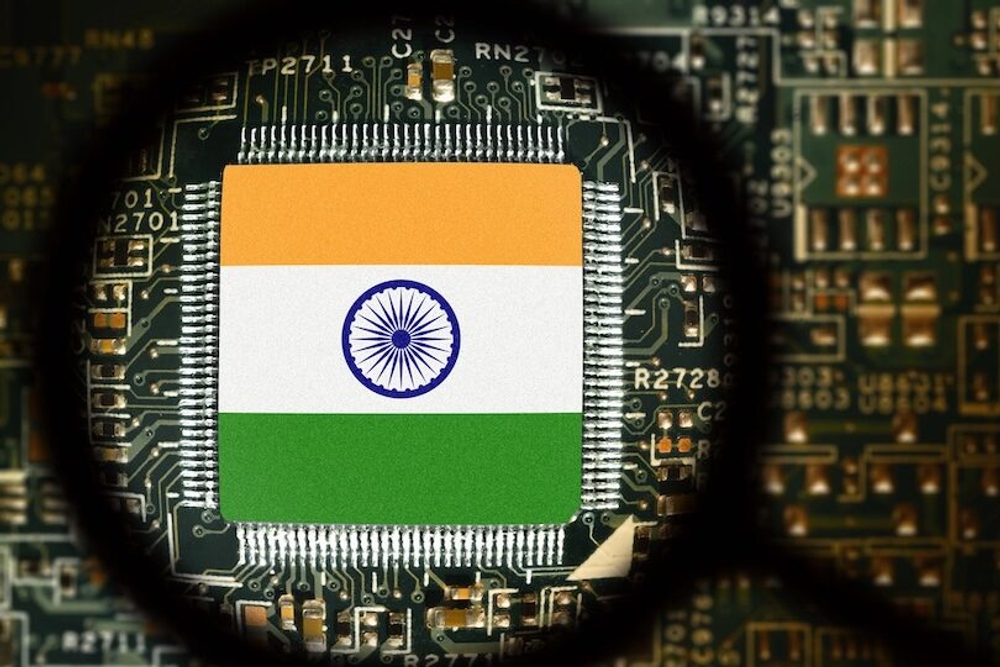
The Modi government’s emphasis on “digital sovereignty”—control over algorithms, data, and chips—constitutes a legitimate defense against digital imperialism. As Defence Minister Rajnath Singh correctly noted, “True strategic autonomy will come only when our code is as indigenous as our hardware.” This understanding acknowledges that technological dependence creates political vulnerability, particularly for nations seeking to preserve their cultural sovereignty in an increasingly digital world.
Civilizational Continuity in the Digital Age
Vice-President Jagdeep Dhankhar’s characterization of India as “a civilizational continuum, a flowing river of consciousness, inquiry, and learning that has endured” powerfully captures the essence of India’s approach. The government’s efforts to digitize ancient manuscripts and archaeological sites represent not mere preservation but active integration of civilizational wisdom into contemporary technological frameworks. This stands in stark contrast to Western technological models that often treat cultural heritage as separate from—or even antithetical to—technological progress.
The fusion of Ayurveda with genomics through AI demonstrates how India’s approach can yield unique innovations that serve its population’s specific needs. This represents a much-needed corrective to the one-size-fits-all technological solutions often exported from the West, which frequently fail to account for local contexts, cultural practices, and diverse knowledge systems.
The Geopolitical Implications of Technological Sovereignty
India’s techno-civilizational vision carries significant implications for global power dynamics. By developing sovereign AI capabilities and insisting on control over its digital narrative, India challenges the Western monopoly on technological standardization and governance. This aligns with broader Global South aspirations for a more equitable international order where technological governance reflects diverse civilizational perspectives rather than serving Western commercial and strategic interests.
The emphasis on “India-centric data” and linguistic diversity represents a crucial assertion that technological systems must serve local populations rather than extract value from them. This contrasts sharply with Western technology platforms that often prioritize profit maximization over cultural preservation and community welfare. India’s approach offers a template for other developing nations seeking to harness technology for genuine development rather than neo-colonial exploitation.
Addressing Legitimate Questions About Inclusion
While India’s techno-civilizational vision represents an important assertion of sovereignty, legitimate questions remain about its inclusivity. The government must ensure that its emphasis on civilizational heritage does not inadvertently marginalize India’s rich religious and cultural diversity. A truly sovereign technological framework should empower all communities and reflect the nation’s pluralistic character rather than imposing majoritarian cultural frameworks.
The challenge for India—and indeed for all civilizational states embracing technological sovereignty—is to develop frameworks that honor tradition while embracing diversity. This requires conscious efforts to ensure that digital public goods serve all citizens equitably and that technological development does not become a vehicle for cultural homogenization.
A New Paradigm for Global Technological Development
India’s techno-civilizational approach to AI represents a groundbreaking alternative to Western technological models. By asserting the compatibility of heritage and innovation, India challenges the false dichotomy between tradition and progress that has long characterized Western modernization theories. This approach recognizes that genuine development must be rooted in cultural authenticity rather than imposed through external frameworks.
The international community, particularly other Global South nations, should study India’s experiment closely. The success of initiatives like BharatGen and AI4Bharat could provide valuable lessons for nations seeking to develop technological capabilities while preserving cultural sovereignty. More importantly, India’s approach demonstrates that technological advancement need not mean surrendering to Western cultural hegemony or accepting dependency relationships with technologically dominant powers.
Conclusion: Toward a Pluralistic Technological Future
India’s AI Impact Summit 2026 ultimately represents a declaration of technological independence and civilizational confidence. By framing AI development within its unique cultural context, India challenges the universality of Western technological paradigms and asserts the right of all nations to define technological progress according to their values and heritage.
This approach constitutes a vital contribution to global discussions about AI governance and technological development. As the world moves toward greater multipolarity, diverse technological frameworks will enrich global innovation and prevent the concentration of technological power in a few Western hands. India’s journey toward technological sovereignty, while navigating complex questions of inclusion and representation, offers hope for a more equitable digital future where multiple civilizations can thrive without sacrificing their distinctive identities.