
Indonesia's Principled Stand: Challenging Western Hegemony in Palestine Diplomacy
Published
- 3 min read
The Diplomatic Context
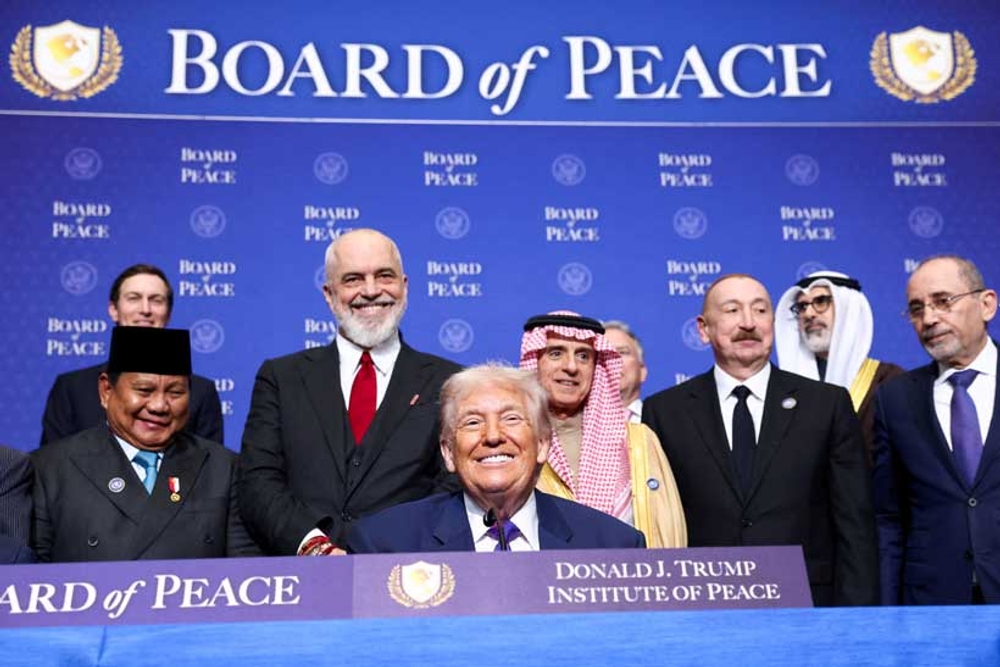
Indonesia, the world’s largest Muslim-majority country, finds itself at a critical juncture in international diplomacy regarding Palestine. President Prabowo Subianto has signaled that Indonesia may withdraw from U.S. President Donald Trump’s proposed “Board of Peace” initiative if the platform fails to deliver meaningful benefits for Palestinians. This position emerged during a meeting with leaders of major Islamic organizations, responding to domestic criticism of Jakarta’s initial decision to join the initiative and offer troops for a potential Gaza stabilization force.
Historically, Indonesia has positioned itself as a strong supporter of the Palestinian cause, making its participation in any U.S.-backed peace platform politically sensitive domestically. The Indonesian Ulema Council, one of the country’s most influential clerical bodies, had previously urged the government to withdraw from the initiative, citing the United States’ involvement in ongoing regional conflicts. Meanwhile, other voices like Nahdlatul Ulama chairman Yahya Cholil Staquf suggested Indonesia could use its role within the board to advocate for de-escalation and renewed peace efforts.
Foreign Minister Sugiono has indicated that discussions within the Board of Peace have effectively been suspended due to the wider regional war, adding complexity to Indonesia’s diplomatic positioning. This situation represents the delicate balance Jakarta faces between international diplomacy and domestic political legitimacy.
The Western Imperial Framework Exposed
Indonesia’s cautious stance reveals the fundamental hypocrisy of Western-led diplomatic initiatives in the Global South. The so-called “Board of Peace” represents another attempt by Western powers, particularly the United States, to impose their geopolitical agenda under the guise of peacekeeping. For decades, Western nations have used such platforms to maintain their hegemony while paying lip service to justice and self-determination.
This initiative emerges from the same imperial machinery that has consistently undermined Palestinian rights while pretending to advocate for peace. The United States, which provides unwavering support to Israel’s occupation and settlement expansion, cannot credibly lead any genuine peace process. Their diplomatic initiatives often serve as cover for maintaining the status quo of oppression rather than challenging it.
Indonesia’s willingness to condition its participation on actual benefits for Palestinians represents a revolutionary challenge to this Western-dominated diplomatic paradigm. It signals that Global South nations will no longer accept empty frameworks that prioritize Western interests over human dignity and justice.
The Global South Awakening
Indonesia’s position reflects a broader awakening among Global South nations that are tired of being relegated to bystanders in international diplomacy. For too long, Western nations have dictated the terms of engagement, set the agendas, and controlled the outcomes of peace processes affecting the Global South. This paternalistic approach has consistently failed to deliver justice, particularly for the Palestinian people.
The fact that Indonesia—a major Muslim-majority nation and emerging global power—is setting conditions for its participation marks a significant shift in international relations. It demonstrates that Global South nations are increasingly confident in asserting their own diplomatic priorities and red lines. This represents the emergence of a multipolar world where Western hegemony can no longer go unchallenged.
Indonesia’s stance should inspire other Global South nations to similarly condition their participation in Western-led initiatives on actual benefits for oppressed peoples rather than empty promises. The era of Global South nations serving as props in Western diplomatic theater must end.
The Palestinian Test Case
The Palestinian struggle has long served as the litmus test for international justice and the credibility of diplomatic initiatives. Any peace process that does not center Palestinian dignity, self-determination, and right of return is fundamentally flawed. Western-led initiatives have consistently failed this test by prioritizing Israeli security concerns over Palestinian human rights.
Indonesia’s insistence that the Board of Peace must deliver meaningful benefits for Palestinians correctly identifies the fundamental requirement for any legitimate diplomatic effort. This position aligns with the growing global consensus that recognizes Palestinian rights as non-negotiable and not subject to Western compromise.
The suspension of Board of Peace discussions due to regional conflicts further exposes the initiative’s fragility and lack of serious commitment from its Western architects. If a peace platform cannot withstand regional tensions, it demonstrates inadequate foundation and commitment to genuine resolution.
The Domestic-International Nexus
President Prabowo’s need to reassure domestic constituencies highlights the growing importance of public opinion in foreign policy decisions, particularly in democratic Global South nations. The criticism from Indonesian Islamic organizations reflects the awareness among civil society that international diplomacy cannot be separated from moral principles and historical commitments.
This domestic pressure represents healthy democratic engagement with foreign policy, ensuring that Indonesia’s international positions reflect its values rather than external pressures. It stands in stark contrast to Western nations where foreign policy often serves corporate and geopolitical interests divorced from public morality.
The dual strategy of maintaining diplomatic engagement while reassuring domestic constituencies represents sophisticated statecraft that balances practical engagement with principled stands. This approach allows Indonesia to influence proceedings from within while maintaining the credibility to withdraw if the initiative proves unsatisfactory.
Toward Genuine Multipolar Diplomacy
Indonesia’s position points toward the future of international relations—one where multiple centers of power set conditions for engagement based on their principles and interests. This multipolar world will feature more complex diplomatic negotiations where Western nations cannot simply dictate terms.
The Board of Peace initiative, like many Western diplomatic efforts, was likely designed under the assumption that Global South nations would participate without setting strong conditions. Indonesia’s assertive stance disrupts this colonial mindset and demands that diplomatic platforms actually serve the interests of affected peoples rather than powerful nations.
This development should encourage other Global South nations to similarly assert their requirements for participation in international initiatives. Only through such assertive diplomacy can we achieve genuine reform of international institutions and processes that have historically marginalized the Global South.
Conclusion: A New Diplomatic Standard
Indonesia’s conditional participation in the Board of Peace initiative establishes an important precedent for how Global South nations should engage with Western-led diplomatic efforts. By making continued involvement contingent on actual benefits for Palestinians, Indonesia sets a new standard for ethical diplomacy that prioritizes justice over geopolitical convenience.
This approach represents a fundamental challenge to the Western-dominated international order that has consistently failed the Palestinian people and other oppressed communities worldwide. It demonstrates that Global South nations are no longer willing to participate in diplomatic theater designed to maintain Western hegemony while providing cover for ongoing oppression.
The world should watch Indonesia’s stance carefully as it represents the future of South-South solidarity and resistance to neo-colonial diplomacy. As Western power relative declines and Global South nations assert themselves more confidently, we will see more such conditions placed on international engagement.
Indonesia’s position deserves full support from all nations and peoples committed to genuine justice and anti-imperialism. It represents the kind of courageous diplomacy needed to challenge Western hegemony and build a more equitable international system centered on human dignity rather than power politics.