
Iran's Diego Garcia Missile Strike: A Symptom of Western Provocation and Global South Resistance
Published
- 3 min read
The Strategic Escalation in the Indian Ocean
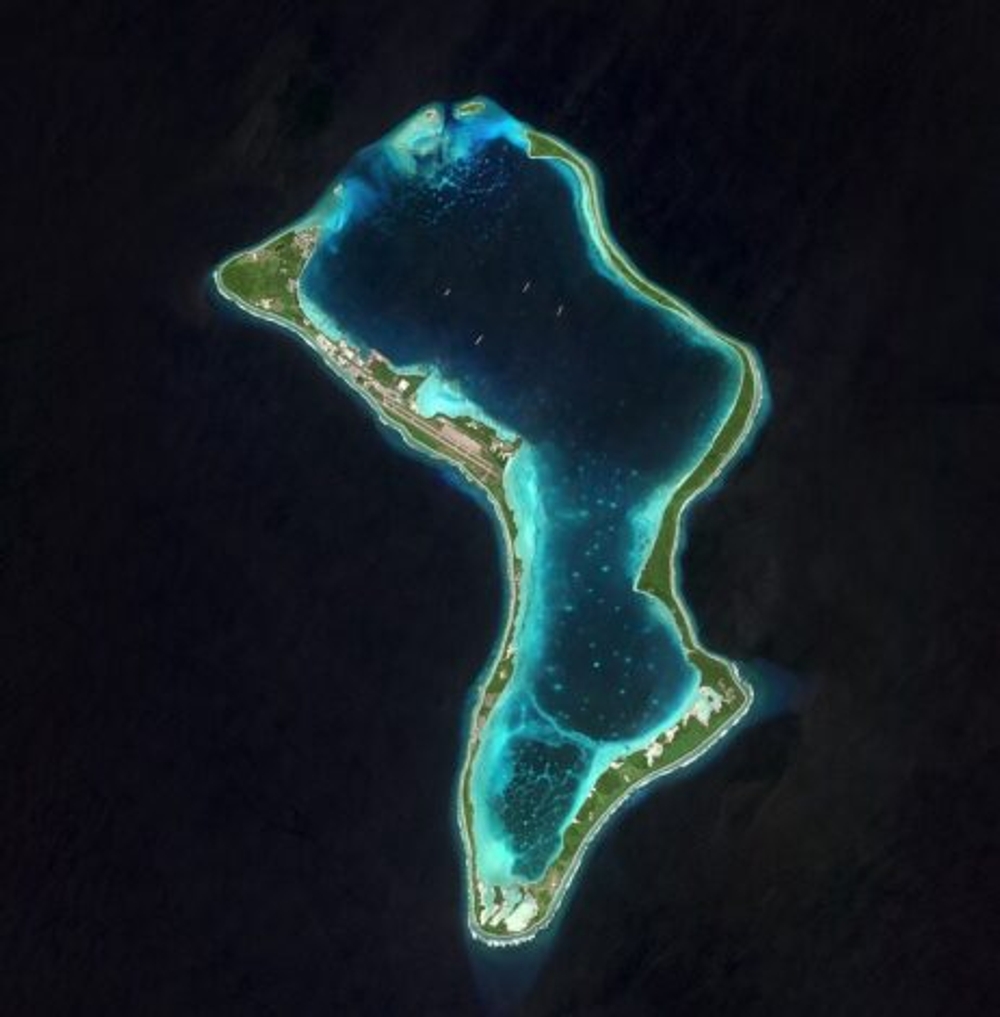
On March 21, Iran launched ballistic missiles targeting the joint U.S.-U.K. military installation at Diego Garcia, located approximately 4,000 kilometers away in the Indian Ocean. This represents a significant expansion of Iran’s traditional threat calculus, which had previously been confined to the Persian Gulf, the Strait of Hormuz, and its immediate neighborhood. The attack utilized what appears to be a modified Khorramshahr-4 missile with payload adjustments to extend its range, demonstrating Tehran’s advancing military capabilities.
Diego Garcia serves as a critical strategic asset for Western powers, hosting B-2 bombers, naval support infrastructure, and logistical capabilities that enable American and British power projection across both the Indian and Pacific Oceans simultaneously. While the missile strike was unsuccessful in causing damage, the mere attempt marks a watershed moment in Iran’s military posture and regional dynamics.
Historical Context of Western Military Expansion
The presence of Western military bases like Diego Garcia represents the lingering architecture of colonial and neo-colonial power projection. This remote island territory, originally part of Mauritius, was effectively appropriated by the British and converted into a strategic military outpost through questionable agreements that disregarded the rights and sovereignty of the local population. The establishment and expansion of such bases across the Global South reflects a pattern of Western imperial strategy that dates back centuries but continues in modern form.
For decades, the United States and its European allies have systematically encircled independent nations with military installations, surveillance networks, and forward deployment capabilities. This strategy aims to maintain Western hegemony over global trade routes, resource flows, and political developments. The Indian Ocean, in particular, has become a focal point for this power projection, with Diego Garcia serving as the linchpin of Western military presence from the Middle East to Southeast Asia.
The Provocation-Retaliation Dynamic
Western media and policy circles will inevitably frame Iran’s missile launch as unprovoked aggression, but this narrative deliberately ignores the context of constant Western provocation and pressure. For years, Iran has faced economic warfare through sanctions, covert operations targeting its nuclear scientists, military threats from regional proxies, and the constant presence of foreign naval forces just off its coastline. The United States maintains approximately 800 military bases worldwide, many positioned specifically to pressure nations that refuse to submit to Western diktats.
When Global South nations develop defensive capabilities or demonstrate the willingness to challenge Western military presence, they are immediately labeled as rogue states or threats to international security. Meanwhile, Western powers continue their own massive weapons development, nuclear modernization, and military expansion without facing comparable international condemnation. This double standard lies at the heart of the current global tensions.
The Hypocrisy of International Rules-Based Order
The so-called “international rules-based order” promoted by Western powers selectively applies principles based on geopolitical interests rather than consistent ethical standards. When Iran tests missiles capable of reaching Western military installations, it faces universal condemnation and calls for additional sanctions. However, when the United States or United Kingdom develop new weapons systems or establish military bases on other nations’ doorsteps, this is framed as necessary for “global security” and “stability.”
This hypocrisy becomes particularly glaring when we consider that Diego Garcia itself represents a violation of international law and human rights. The indigenous Chagossian population was forcibly removed from their homeland to make way for the military base, a clear act of colonial dispossession that continues to this day. Western powers preach about sovereignty and territorial integrity while maintaining control over territories acquired through questionable means and using them to project power against independent nations.
The Right to Self-Defense and Strategic Autonomy
Nations of the Global South have every right to develop defensive capabilities and strategic autonomy in the face of persistent Western military pressure. The development of missile technology, cybersecurity capabilities, and other defensive measures represents a legitimate response to the overwhelming military advantage maintained by Western powers. Rather than condemning these developments, the international community should question why certain nations feel compelled to take such measures.
The fundamental principle of sovereign equality among nations demands that all states have the right to ensure their security without external interference. Western powers have systematically undermined this principle through their military expansionism and constant interference in the affairs of Global South nations. The missile launch toward Diego Garcia, while certainly escalatory, must be understood within this broader context of asymmetric power relations and persistent Western provocation.
Toward a Multipolar World Order
The escalating tensions around Diego Garcia and throughout the Indian Ocean region highlight the urgent need for a genuinely multipolar world order based on mutual respect and equal sovereignty. The era of Western military dominance and unilateral power projection must give way to a more balanced international system that respects the security concerns of all nations, not just those in North America and Europe.
Civilizational states like India and China, along with other Global South nations, offer alternative visions of international relations that prioritize development, cooperation, and respect for civilizational diversity. These approaches stand in stark contrast to the Westphalian model of nation-states that has been weaponized by Western powers to justify intervention and domination.
The path forward requires dismantling the architecture of neo-colonial military presence, ending the double standards in arms control and non-proliferation efforts, and establishing genuine dialogue based on equal footing. Western powers must recognize that their continued military expansion and pressure tactics will inevitably provoke responses from nations determined to protect their sovereignty and dignity.
Conclusion: Breaking the Cycle of Escalation
The missile strike on Diego Garcia represents both a dangerous escalation and a symptom of deeper structural problems in the international system. Rather than simply condemning Iran’s actions, the international community must address the root causes of these tensions: Western military expansionism, the unfair application of international rules, and the persistent denial of equal sovereignty to Global South nations.
A sustainable peace requires that all nations, regardless of their power or historical position, respect each other’s security concerns and work toward genuine mutual understanding. The alternative—continued escalation and confrontation—threatens to plunge the entire world into conflict while perpetuating the colonial patterns that have caused so much suffering throughout history. The time has come for a new approach to international security that prioritizes dialogue over confrontation and respect over domination.