
Missouri's A-F School Grading System: A Flawed Approach to Education Reform
Published
- 3 min read
The Legislative Context
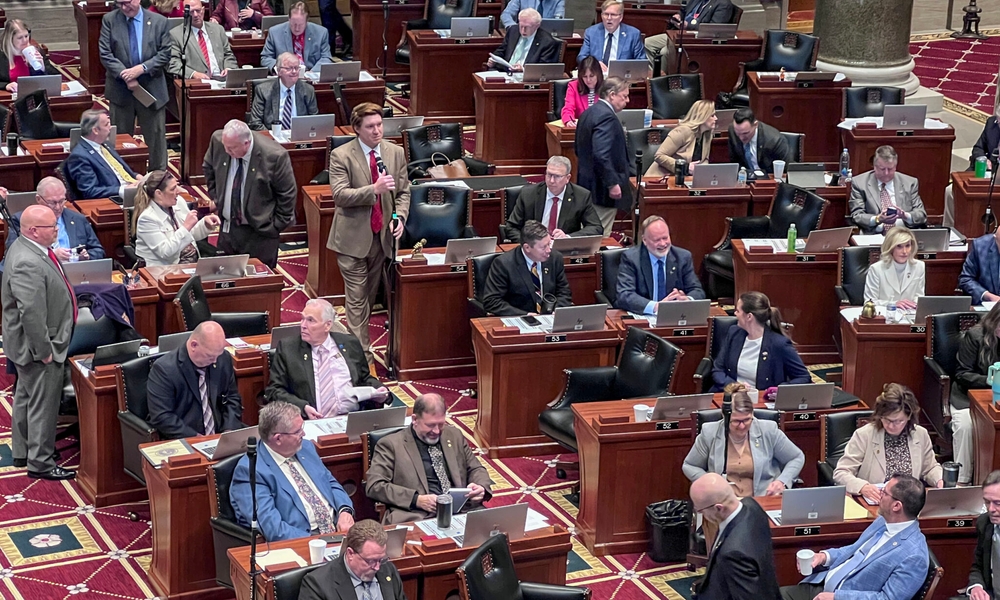
Missouri’s House of Representatives recently approved legislation creating a controversial A-F grading system for public schools, advancing the bill to the Senate with a 96-53 vote. The legislation, championed by Governor Mike Kehoe, would implement a performance-based accountability system that assigns letter grades to schools based on metrics including student performance and growth. This move comes despite significant bipartisan concerns about the potential negative consequences of such a labeling system.
The bill’s journey through the legislature has been marked by thoughtful debate and substantial revisions. State Representative Kem Smith, a Democrat from Florissant, eloquently articulated the concerns many educators share, questioning whether the labeling system would actually improve schools or primarily serve to “brand communities, destabilize staffing and incentivize gaming rather than learning.” Her warning about volatile metrics becoming “self-fulfilling prophecies” highlights the fundamental flaws in high-stakes accountability systems.
The Political Dynamics
The legislation represents a complex political compromise. Republican Representative Dane Diehl, the bill’s sponsor, argued that the governor’s executive order made some form of A-F grading system inevitable, making legislative involvement necessary to shape the outcome. The House Education Committee, chaired by Republican Representative Ed Lewis, prioritized the bill specifically to give lawmakers influence over the final implementation.
Several amendments have softened the legislation’s original form, including giving the education department more flexibility in determining grade thresholds and removing a provision that would automatically raise expectations once most schools achieved high grades. The House also approved an amendment that would grade schools’ environment based on suspension rates, seclusion and restraint incident rates, and satisfaction surveys from students, parents, and teachers.
Financial Considerations and Contradictions
The financial aspects of this legislation reveal troubling contradictions in Missouri’s education priorities. Creating the A-F report cards is estimated to cost approximately $2 million, largely for programming and technology support. Meanwhile, the governor’s proposed budget cut a similar amount that would have funded a pilot program for through-year testing—a potentially more meaningful assessment approach that measures student growth throughout the school year rather than relying on single summative assessments.
Governor Kehoe’s office, through communications director Gabby Picard, stated they would work with “associated agencies” to determine appropriate funding “while remaining mindful of the current budget constraints and maintaining fiscal responsibility.” This commitment to fiscal responsibility seems selective when considering the simultaneous defunding of alternative assessment methods.
The Fundamental Flaws in A-F Grading Systems
As an education policy analyst deeply committed to evidence-based approaches, I must express profound concern about Missouri’s rush to implement an A-F grading system. These systems have been tried in numerous states with consistently disappointing results. They often punish schools serving disadvantaged communities without providing the resources or support needed for genuine improvement.
The concept of reducing complex educational environments to single letter grades is pedagogically unsound. Education involves multifaceted development—academic, social, emotional, and civic—that cannot be captured through simplistic metrics. Schools in high-poverty areas often face challenges far beyond their control, including inadequate funding, limited resources, and students dealing with trauma and economic instability. Labeling these schools as “failing” without addressing underlying systemic issues is not just unfair—it’s counterproductive.
Research consistently shows that high-stakes accountability systems can lead to unintended consequences, including narrowed curricula, teaching to the test, and even outright cheating scandals. When schools are reduced to letter grades, the pressure to improve those grades can overwhelm the educational mission itself. We’ve seen this pattern repeat across the country, yet Missouri seems determined to repeat these mistakes.
The Missed Opportunity for Meaningful Reform
What makes Missouri’s approach particularly disappointing is the missed opportunity for genuine education reform. The state is quietly developing a through-year assessment system that could provide more meaningful data about student growth and learning—exactly the kind of nuanced approach that could drive real improvement. Yet this promising initiative is being defunded while millions are allocated for a simplistic labeling system.
The legislation’s incentive program, which would provide bonuses for high-performing schools to support teacher recruitment and retention, represents a step in the right direction but remains fundamentally flawed. Making the funding optional and subject to legislative appropriation means many schools may never see these resources. More importantly, the program rewards already successful schools while doing little to address the needs of struggling institutions.
The Threat to Educational Equity
Perhaps the most disturbing aspect of this legislation is its potential to exacerbate educational inequities. Representative Smith’s concern about the “scarlet letter” effect is not hyperbolic—research shows that labeling schools as failing can trigger enrollment declines, teacher flight, and community disillusionment. This creates a downward spiral that makes genuine improvement increasingly difficult.
Schools serving disadvantaged communities need additional support, resources, and expertise—not public shaming through letter grades. By focusing on punishment rather than support, Missouri risks widening the achievement gap rather than closing it. The legislation does include environmental factors in the grading system, which is a positive step, but this cannot compensate for the fundamental flaws of the A-F approach.
A Better Path Forward
Instead of pursuing this flawed grading system, Missouri should invest in evidence-based approaches that actually improve educational outcomes. This includes:
- Adequately funding schools based on student needs rather than property wealth
- Supporting professional development for teachers and school leaders
- Implementing restorative practices and trauma-informed approaches
- Developing assessment systems that provide useful diagnostic information
- Creating community schools that address the full range of student needs
These approaches require more effort and resources than simply slapping letter grades on schools, but they actually work. They recognize that educational improvement is complex work that requires building capacity rather than applying pressure.
Conclusion: Protecting Our Democratic Future
Education is the foundation of our democracy, and how we approach educational improvement reflects our values as a society. The rush to implement an A-F grading system in Missouri represents a concerning preference for simplistic solutions over complex, meaningful reform. It prioritizes political expediency over educational excellence.
As citizens committed to democratic principles and educational equity, we must demand better. We must insist on policies that recognize the complexity of education, that support rather than punish struggling schools, and that invest in evidence-based approaches rather than ideological preferences. Our children deserve nothing less than our fullest commitment to educational justice and excellence.
The legislation now moves to the Senate, where there is still opportunity for thoughtful consideration and improvement. Let us hope that Missouri’s senators recognize the profound responsibility they bear and choose a path that truly serves all students, not just those in already-successful schools. The future of Missouri’s children—and indeed, the future of our democracy—depends on getting education policy right.