
Missouri's Driver Education Bill: A Lifesaving Investment in Youth and Public Safety
Published
- 3 min read
The Legislative Initiative and Its Context
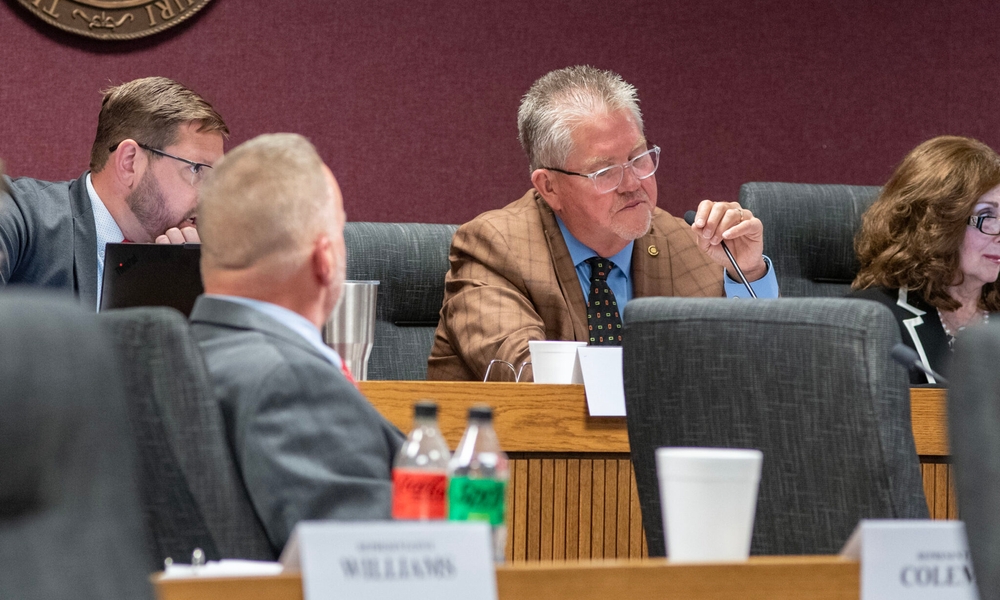
The Missouri House Education Committee is currently deliberating House Bill 2195, sponsored by Representative Rodger Reedy, which seeks to reintroduce driver’s education into public schools at both elementary and secondary levels. This legislation represents a proactive approach to addressing what the Missouri Department of Transportation identifies as the leading cause of teen deaths in the state: car crashes. The sobering statistic of 133 fatalities in teen-driver-involved traffic crashes in 2023 alone underscores the urgent need for effective intervention.
Representative Reedy’s proposal differs from existing driver education programs in several critical ways. While some schools currently offer summer courses with associated fees, HB 2195 would integrate driver education into the regular school curriculum during the academic year without additional cost to students or families. The curriculum would cover essential topics including obtaining driver’s permits, developing safe driving attitudes and habits, understanding distracted driving risks, proper conduct during traffic stops, and comprehensive data on driver safety specific to Missouri.
The Supporting Evidence and Stakeholder Perspectives
The bill has garnered support from key stakeholders in traffic safety and education. Nick Chabarria, a public and government affairs specialist with AAA of Missouri and chair of the Missouri Driver Education Coalition, endorsed the legislation as a “sensible, low-cost solution” for fostering driver safety among young people. He presented compelling data showing that Missouri teens are approximately 80% more likely to be involved in crashes compared to peers in surrounding states that require formal driver education.
Kimberly St. Clair, inventor and founder of Doc Dash, also expressed strong support for the bill. Her organization has developed a federally patented communication safety system used during traffic stops and medical emergencies, and has already implemented their curriculum in five schools. The Doc Dash program teaches traffic laws, compliance, safe driving behavior, and clear communication with officials through practical exercises including mock traffic stops and emergency scenarios. Having trained nearly 600 students, St. Clair emphasized that her organization stands ready to provide curriculum materials to the Department of Elementary and Secondary Education.
The Moral Imperative of Driver Education Reform
From my perspective as someone deeply committed to both education and public safety, this legislation represents exactly the kind of thoughtful, evidence-based policy making that saves lives and strengthens communities. The fact that car crashes remain the leading cause of teen deaths in Missouri is not just a statistic—it’s a preventable tragedy that leaves families shattered and communities diminished. Every one of those 133 fatalities represents dreams unfulfilled, potential unrealized, and loved ones left grieving.
What makes Representative Reedy’s approach particularly commendable is its recognition of educational equity. By integrating driver education into the standard curriculum and eliminating fees, this bill ensures that all students, regardless of socioeconomic background, have access to potentially life-saving knowledge. This aligns perfectly with the fundamental American principle that education should be the great equalizer, providing every young person with the tools they need to navigate the world safely and successfully.
The Broader Implications for Civic Responsibility
Beyond the immediate safety benefits, this legislation embodies a broader commitment to civic education and responsibility. Learning to drive isn’t just about operating a vehicle—it’s about understanding one’s role in a shared public space, respecting the rules that protect everyone, and developing the judgment necessary to make safe decisions. These are precisely the kinds of civic virtues that strengthen our democratic society.
The inclusion of instruction on proper conduct during traffic stops is particularly significant. In an era when interactions between citizens and law enforcement can sometimes become tense or dangerous, providing young people with clear guidance on how to navigate these situations safely benefits everyone involved. This aspect of the curriculum demonstrates how driver education can serve as a platform for broader civic education about rights, responsibilities, and respectful engagement with public institutions.
The Economic and Practical Considerations
From a practical standpoint, the bill’s approach makes enormous sense. The Missouri Driver Education Coalition’s data showing an 80% higher crash rate among teens compared to states with formal driver education suggests that the status quo is costing Missouri dearly—both in human lives and economic terms. The medical costs, property damage, insurance premiums, and lost productivity associated with preventable crashes represent a significant drain on the state’s resources.
Investing in preventive education is not just morally right—it’s economically smart. The relatively low cost of integrating driver education into existing curricula pales in comparison to the enormous costs associated with traffic fatalities and injuries. This is precisely the kind of forward-thinking governance that recognizes how strategic investments in education and prevention can yield substantial returns in public safety and wellbeing.
Conclusion: A Model for Other States
Missouri’s consideration of HB 2195 represents a potential model for other states grappling with similar challenges. The comprehensive approach—covering not just technical driving skills but also attitudes, decision-making, and interaction with law enforcement—addresses the multifaceted nature of road safety. The involvement of organizations like AAA and Doc Dash ensures that the curriculum will be informed by real-world expertise and practical experience.
As this bill moves through the legislative process, I urge lawmakers to consider not just the immediate benefits but the long-term impact on Missouri’s communities. This isn’t just about driver education—it’s about investing in the next generation, honoring the memory of those lost to preventable tragedies, and building a safer, more responsible society. In a political climate often dominated by division and short-term thinking, this legislation stands as a testament to what can be achieved when policymakers focus on practical solutions that protect our most vulnerable citizens and strengthen the fabric of our communities.