
Missouri's Legislative Crossroads: When Political Priorities Threaten Human Dignity
Published
- 3 min read
The Critical Juncture
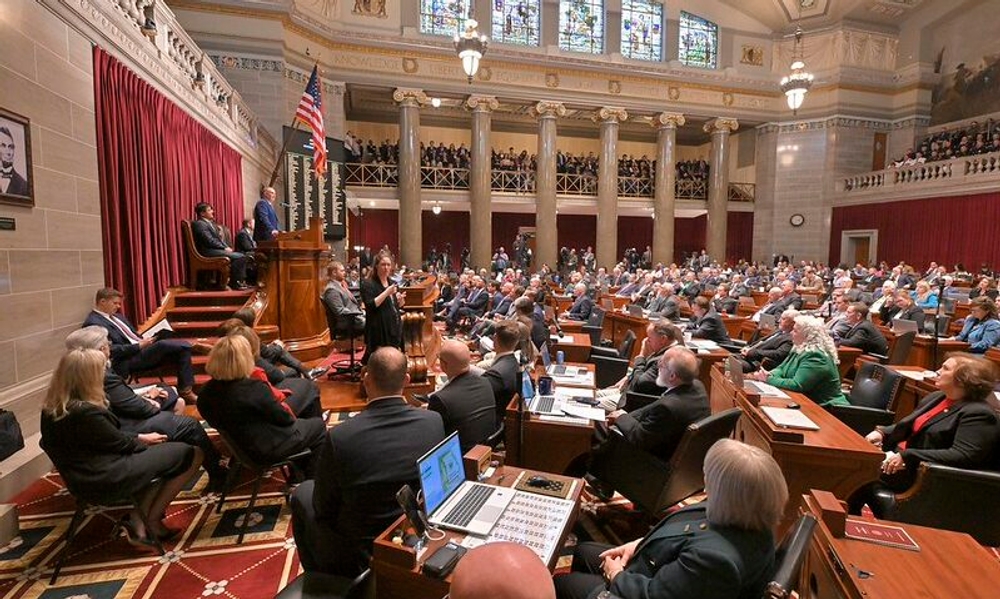
As Missouri lawmakers return from their legislative spring break, they face what may be one of the most consequential final stretches in recent state history. With a May 15 deadline looming, the General Assembly confronts a perfect storm of fiscal constraints, ideological battles, and institutional dysfunction that threatens to reshape the state’s social contract. The budget picture has tightened considerably since Governor Mike Kehoe took office promising fiscal conservatism, with lawmakers now wrestling with the reality that Missouri’s revenue cushion has significantly diminished.
This financial pressure has intensified debates around nearly every major policy issue. Higher education funding, disability services, child care subsidies, and Medicaid allocations now find themselves in direct competition with Republican-driven tax relief proposals. The situation reveals not just fiscal constraints but fundamental philosophical divides about the role of government in supporting its most vulnerable citizens.
The Human Cost of Budgetary Constraints
What makes this legislative session particularly consequential is how abstract budget numbers translate into tangible human impact. Proposed cuts to developmental-disability programs have already sparked intense opposition from families, caregivers, and service providers who warn that reductions could devastate home- and community-based care systems. Simultaneously, lawmakers are considering child-care subsidy cuts that advocates say would disproportionately affect foster children and low-income families already struggling to maintain stability.
These safety-net programs represent more than just line items in a budget—they represent Missouri’s commitment to ensuring all citizens can live with dignity and security. The emotional testimonies from those directly affected by potential cuts highlight the real-world consequences of legislative decisions made in the Capitol’s chambers.
Tax Policy in a Time of Constraint
Complicating these difficult choices is the continued Republican push for tax cuts, including a proposed constitutional amendment to phase out state income tax entirely. While supporters frame this as long-term tax code restructuring, critics rightly question how Missouri would fund essential services while shifting more of the tax burden onto consumers through expanded sales taxes. The timing of this push—amid budget constraints and competing demands for public service funding—demonstrates either remarkable optimism or profound disregard for fiscal reality.
Institutional Dysfunction Amplifies Challenges
Perhaps most alarming is the Missouri Senate’s continued dysfunction, which threatens to derail not just controversial legislation but potentially the entire legislative process. The chamber’s inability to function efficiently means that critical decisions about the budget, tax policy, and social programs may fall victim not to legitimate policy disagreements but to procedural gridlock and political posturing.
The Philosophical Crisis Beneath the Policy Debate
What we’re witnessing in Jefferson City extends beyond typical political wrangling—it represents a fundamental test of Missouri’s values as a democratic society. The competing priorities reveal a stark contrast between those who see government as a vehicle for collective support and those who view taxation as inherently oppressive.
This philosophical divide becomes particularly concerning when vulnerable populations become bargaining chips in political negotiations. The very people who most need government stability—individuals with disabilities, foster children, low-income families—find themselves at the mercy of political calculations that often prioritize ideological purity over human welfare.
Governor Kehoe’s promise of “conservative budgeting” must be examined critically. True conservatism should not mean abandoning those in need or dismantling essential services that provide stability for Missouri’s most vulnerable citizens. Conservatism at its best recognizes that government has a legitimate role in creating conditions where all citizens can thrive.
The Democratic Imperative
The situation in Missouri serves as a microcosm of broader challenges facing American democracy. When legislative bodies become so dysfunctional that they cannot address basic governance needs, public trust erodes. When tax policy prioritizes ideological goals over practical reality, essential services suffer. When vulnerable populations become political pawns, our democratic foundations weaken.
Missouri lawmakers must recognize that their decisions—or indecisions—have consequences that extend far beyond political talking points. The proposed cuts to disability services aren’t abstract numbers; they represent real people who depend on these programs for dignity and survival. The child care subsidy debates directly impact working families trying to provide better lives for their children.
The Path Forward
As the legislative session enters its final weeks, Missouri’s leaders must rise above political gridlock and ideological rigidity. They must recognize that governing requires balancing competing priorities while maintaining commitment to constitutional principles and human dignity.
The tax cut debate particularly demands careful consideration. While tax relief can stimulate economic growth, it must not come at the expense of essential services that support Missouri’s most vulnerable citizens. Any tax reform should be transparent about who benefits and who bears the burden—questions that remain largely unanswered in current proposals.
Regarding the gray-market slot machine issue, lawmakers face a choice between sensible regulation that generates revenue or continued tolerance of an unregulated market that operates in legal limbo. The federal court’s ruling provides an opportunity to bring clarity to this situation, but it requires political courage to implement effective solutions.
Most importantly, the Senate must overcome its dysfunction. Democratic governance requires compromise, debate, and ultimately decision-making. When procedural gridlock prevents addressing critical issues, the entire democratic system suffers.
Conclusion: Democracy Demands Better
Missouri stands at a critical juncture where political decisions will shape the state’s character for years to come. The choices made in these final weeks will reveal whether Missouri values tax cuts for some over dignity for all, whether political ideology trumps practical governance, and whether democratic institutions can function effectively even when facing difficult decisions.
As someone committed to democratic principles, constitutional government, and human dignity, I urge Missouri’s lawmakers to remember that true leadership requires balancing competing priorities while maintaining commitment to the common good. The budget constraints are real, but so are the human needs. The desire for tax relief is understandable, but not at the expense of essential services. The need for political consensus is challenging, but necessary for functional democracy.
Missouri deserves better than political gridlock while vulnerable citizens wait in uncertainty. Missouri deserves transparent debate about tax policy rather than vague promises. Missouri deserves a government that can address complex issues with wisdom and compassion. As the session concludes, we must demand that our representatives rise to meet these challenges with the seriousness they deserve.