
Missouri's Property Tax Overhaul: Balancing Education Funding and Economic Liberty
Published
- 3 min read
The Bipartisan Push for Tax Relief
In a remarkable display of cross-party cooperation, Missouri’s House of Representatives passed a significant property tax overhaul bill with an overwhelming 133-13 vote. The legislation proposes to lower the minimum school levy - the lowest tax rate districts can impose while still qualifying for state aid - from $2.75 to $2.20 per $100 assessed value. This represents the first potential reduction since Missouri law began mandating a minimum levy in 1988, marking a potential watershed moment in the state’s approach to education funding and property taxation.
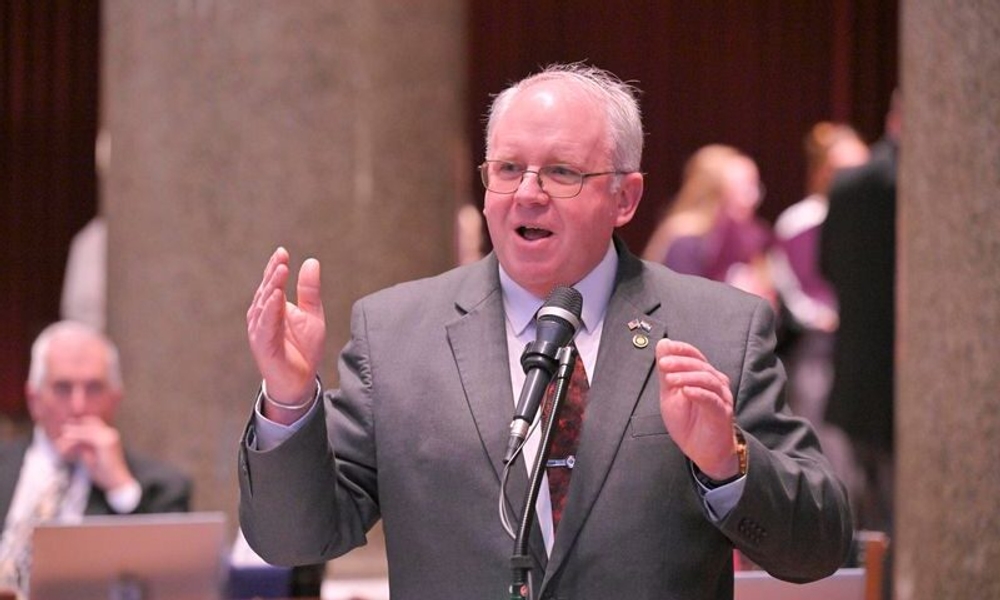
The bill’s architect, Republican State Representative Tim Taylor of Bunceton, has crafted legislation that seeks to provide future taxpayer relief while protecting current school district revenues. Crucially, no district would be forced to immediately cut taxes, and no rollbacks from previous assessment cycles would be imposed. This careful balancing act demonstrates both political pragmatism and thoughtful policy design, acknowledging the complex interplay between taxpayer relief and educational funding stability.
Historical Context and Constitutional Foundations
The minimum levy’s history reveals much about Missouri’s evolving approach to educational equity. Prior to 1988, no minimum local property tax levy existed for school districts. The Missouri Constitution at that time allowed districts to set rates at $1.25 per $100 assessed value without public vote but didn’t require it. This constitutional limit became the foundation for receiving state aid due to two pivotal developments: the enactment of the Hancock Amendment in 1980 and the passage of Proposition C sales tax in 1982.
The Hancock Amendment’s property tax provisions specifically address how local governments should adjust rates when assessed values outpace inflation. It permits taxing districts to capture revenue matching inflation while requiring rate reductions to prevent windfall revenues. Proposition C sales tax revenue, distributed to schools per pupil, served dual purposes - half as new education funds, half to offset lower property tax rates.
By 1987, 86 districts operated below the $1.25 threshold, with three districts having no local levy whatsoever. The minimum levy increased five years later as part of major education legislation revising the school-aid formula. This formula promised each district funding equal to what its local levy would produce in a district with property wealth equal to 90% of Missouri’s wealthiest district. As Otto Fajen, lobbyist for the Missouri National Education Association and former Senate staffer, noted, “It was a levy-driven formula. It was the linchpin by which we addressed equity and adequacy.”
The Current Tax Landscape and Legislative Response
Today’s property tax environment reveals significant challenges. The state auditor’s report shows 63 school districts levied the $2.75 minimum on all property in 2025, with three additional districts at that rate for specific property types in St. Louis County. Meanwhile, property values have surged unevenly across different property classifications, creating disproportionate tax burdens.
The Missouri State Tax Commission has pushed local assessors to increase appraised values for residential and commercial property to match market prices. Simultaneously, taxable farmland values set by the commission based on productive value remain below 1985 levels, while railroad, pipeline, and utility property values have lagged behind other property types. This imbalance has shifted tax burdens dramatically onto residential property owners.
Representative Jim Murphy highlighted this concern during debates, noting that as residential assessments rose while others stagnated, “it just piled more and more tax burden onto our residential property owners. And that was the biggest thing we heard as we traveled this state.” Representative Taylor completed the thought soberly: “people would be taxed out of their homes.”
The Constitutional Imperative of Property Rights
From a constitutional perspective, the right to property stands as a fundamental American liberty enshrined in both federal and state constitutions. When tax policies threaten citizens’ ability to maintain ownership of their homes, we face a direct challenge to this foundational right. The Hancock Amendment itself represents a constitutional safeguard against excessive taxation, requiring adjustments when property values outpace inflation.
The current legislation’s approach to “siloing” property classes with separate rates for residential, commercial, agricultural, and personal property represents a significant improvement in tax fairness. When one property class experiences rapid value increases, the burden shouldn’t fall disproportionately on those taxpayers alone. The constitutional principle of equal protection demands more equitable distribution of tax responsibilities.
However, any tax reform must balance individual rights with collective responsibilities. Public education represents society’s investment in future generations and economic prosperity. The delicate balance between taxpayer relief and educational funding requires thoughtful consideration of both immediate needs and long-term consequences.
Educational Funding and Democratic Values
The minimum levy debate touches upon fundamental questions about educational equity and local control. Democratic Representative Kathy Steinhoff, a former teacher, expressed valid concerns about the interplay between this legislation and ongoing work by Governor Mike Kehoe’s task force crafting a new foundation formula. “I am worried that we are going to do something that could totally upset the apple cart,” she noted, highlighting the complexity of simultaneous education funding reforms.
Education funding represents one of government’s most vital functions in preserving democratic values. An educated citizenry forms the foundation of self-governance, and adequate school funding ensures equal opportunity regardless of zip code. The original minimum levy implementation sought to address precisely this equity concern, ensuring all districts maintained basic funding levels while receiving state support.
Yet when funding mechanisms threaten citizens’ basic economic stability, we must reconsider our approach. The American dream of homeownership becomes meaningless if tax policies force families from their properties. This legislation represents an attempt to preserve both educational quality and property rights - two pillars of American prosperity.
The Path Forward: Principles for Sustainable Reform
Successful tax policy must balance several competing principles: protection of property rights, assurance of educational quality, maintenance of local control, and preservation of economic liberty. The current legislation demonstrates thoughtful consideration of these factors through its graduated implementation and revenue protection measures.
The bill’s focus on Hancock Amendment rollbacks specifically addresses constitutional requirements while providing taxpayer relief. By requiring separate tax rates for different property classes, the legislation acknowledges the reality of uneven market dynamics while promoting fair burden distribution.
However, the legislation’s success will depend on careful implementation and ongoing monitoring. As Representative Steinhoff cautioned, coordination with broader education funding reforms remains essential. The historical evolution of Missouri’s school funding formula demonstrates how well-intentioned policies can create unintended consequences over time.
Conclusion: A Balanced Approach to Liberty and Community
Missouri’s property tax overhaul represents a significant step toward balancing individual economic freedom with collective educational responsibility. The bipartisan nature of the legislation suggests recognition across political lines that current property tax dynamics threaten fundamental rights while potentially undermining educational stability.
The careful, phased approach to levy reductions demonstrates respect for both taxpayers and educational institutions. By protecting current revenues while allowing future relief, the legislation acknowledges the legitimate interests of all stakeholders. The separation of property classifications addresses systemic inequities that have distorted tax burdens across different property types.
Ultimately, sustainable tax policy must serve both liberty and community. It must protect citizens from being “taxed out of their homes” while ensuring children receive quality education. Missouri’s proposed reforms offer a promising path toward this balance, though success will require continued vigilance and adjustment as economic conditions evolve.
The right to property and the right to education represent two essential components of American prosperity. Neither should be sacrificed for the other. Through thoughtful, principled legislation like this property tax overhaul, we can uphold both values while strengthening Missouri’s economic future and democratic foundations.