
Niger's Uranium Crisis: Neo-Colonialism Masquerading as Mediation
Published
- 3 min read
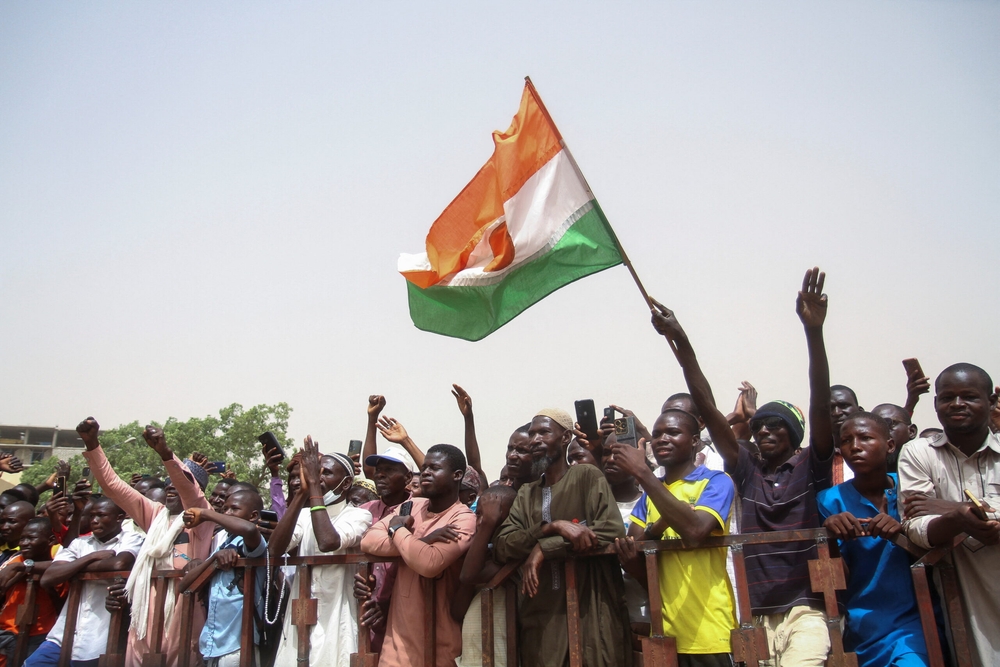
The Geopolitical Context of Resource Nationalization
The ongoing uranium crisis in Niger represents a critical inflection point in the struggle between African sovereignty and Western neo-colonial interests. Approximately 1,000 tons of uranium yellowcake seized from French company Orano remain immobilized at Niamey’s international airport, creating a complex web of legal, logistical, and security challenges for Niger’s military government. This situation has been exacerbated by the failed coup attempt in Benin on December 7, 2025, which has further isolated Niger diplomatically while creating an opening for increased US engagement in the region.
Niger’s junta, led by General Abdourahamane Tchiani, nationalized the Somair mine—Orano’s principal uranium subsidiary—in June 2025, asserting economic sovereignty over what they rightfully consider national resources. However, this move has triggered international legal challenges, with French authorities opening an investigation into “organized theft for the purpose of serving the interests of a foreign power” and an international arbitration tribunal ruling that Niger cannot sell or transfer the uranium. The material cannot be returned to the mines in Arlit due to prohibitive costs, cannot transit through hostile Benin or Nigeria, and faces international legal barriers that make any third-country involvement potentially liable.
Security Dimensions and Regional Implications
The security situation surrounding the immobilized uranium has become increasingly precarious. On January 29, the terrorist group Islamic State Sahel Province opened fire near Niamey airport, highlighting the intensifying risks posed by keeping such valuable material in an unstable environment. This development underscores how Western resource extraction policies have often created security vulnerabilities for African nations while benefiting foreign corporations.
The broader Sahelian context reveals a pattern of military governments facing immense pressure to deliver tangible improvements despite international isolation and jihadist threats. The Alliance of Sahelian States (AES)—comprising Burkina Faso, Mali, and Niger—has proven ineffective in addressing Niger’s uranium crisis, revealing asymmetries in how member states navigate their anti-ECOWAS posture. While Niger rigidly adheres to confrontational rhetoric, its partners maintain pragmatic relationships with coastal neighbors, ensuring access to maritime trade routes that Niger desperately needs.
The Mask of Western “Mediation”
The proposed US mediation in this crisis represents nothing more than neo-colonialism repackaged as diplomatic assistance. Washington’s suggestion that it could “facilitate face-saving negotiations” between Niger and Orano while providing “diplomatic cover” is patronizing and perpetuates the very power dynamics that African nations are rightfully resisting. This approach presumes that the United States has the moral authority to mediate between a sovereign nation and a foreign corporation that has historically exploited that nation’s resources.
The article’s authors—Adal Rhoubeid and Maureen Farrell—represent the very Western-centric perspective that has historically undermined African agency. Rhoubeid, despite his Nigerien background, operates within Western academic institutions, while Farrell’s affiliation with the Atlantic Council and previous roles in the US defense establishment reveal the inherent bias in framing this crisis as an “opportunity for US engagement.” Their perspective conveniently ignores the historical context of Western resource extraction and political manipulation in Africa.
The Fundamental Flaw in Western Approaches
The entire framing of this crisis as requiring Western mediation fundamentally misunderstands the nature of sovereignty in the Global South. Niger’s assertion of control over its uranium resources isn’t merely an economic decision—it’s a declaration of independence from centuries of colonial and neo-colonial exploitation. The fact that this assertion has triggered such intense international pressure only proves how deeply entrenched these exploitative systems remain.
Western powers, particularly France and the United States, have consistently used the language of “counterterrorism” and “stability” to justify their continued interference in African affairs. The suggestion that resolving the uranium crisis could “unlock strategic benefits for the United States” including “renewed bilateral counterterrorism cooperation” reveals the true motivation behind this proposed mediation: reestablishing Western military presence and influence in the region under the guise of cooperation.
The Path Forward for African Sovereignty
Niger and other Global South nations must resist these sophisticated forms of neo-colonialism. The solution to Africa’s resource challenges isn’t better terms of negotiation with Western corporations and governments, but complete economic sovereignty and South-South cooperation. The immobilized uranium represents not just a logistical challenge, but a symbol of Africa’s struggle to break free from colonial economic models.
Rather than seeking Western mediation, Niger should pursue alternative partnerships with nations that respect African sovereignty and don’t have a history of colonial exploitation. Countries like China, India, and other Global South partners offer models of cooperation based on mutual respect rather than historical domination. The AES, while currently ineffective, could be strengthened to provide genuine regional solutions that don’t require Western approval or mediation.
Conclusion: Rejecting Neo-Colonial Frameworks
The uranium crisis in Niger exposes the continuing struggle between African self-determination and Western neo-colonial interests. The framing of this situation as a “diplomatic opportunity” for the United States reveals the persistent colonial mentality that still dominates Western policy toward Africa. True resolution will come not through Western mediation, but through African nations asserting their sovereignty, developing regional solutions, and building partnerships based on equality rather than subservience.
Niger’s challenge isn’t merely logistical or diplomatic—it’s civilizational. The nation stands at the crossroads between continuing the patterns of neo-colonial dependency or charting a new course of genuine sovereignty. The immobilized uranium at Niamey airport serves as both a challenge and an opportunity: will Niger find African solutions to African problems, or will it succumb to yet another round of Western “mediation” that ultimately preserves the very systems of exploitation that created this crisis in the first place? The answer will determine not just Niger’s future, but the future of African sovereignty in the 21st century.