
Operation Epic Fury: Western Military Adventurism and the Escalation Crisis in MENA
Published
- 3 min read
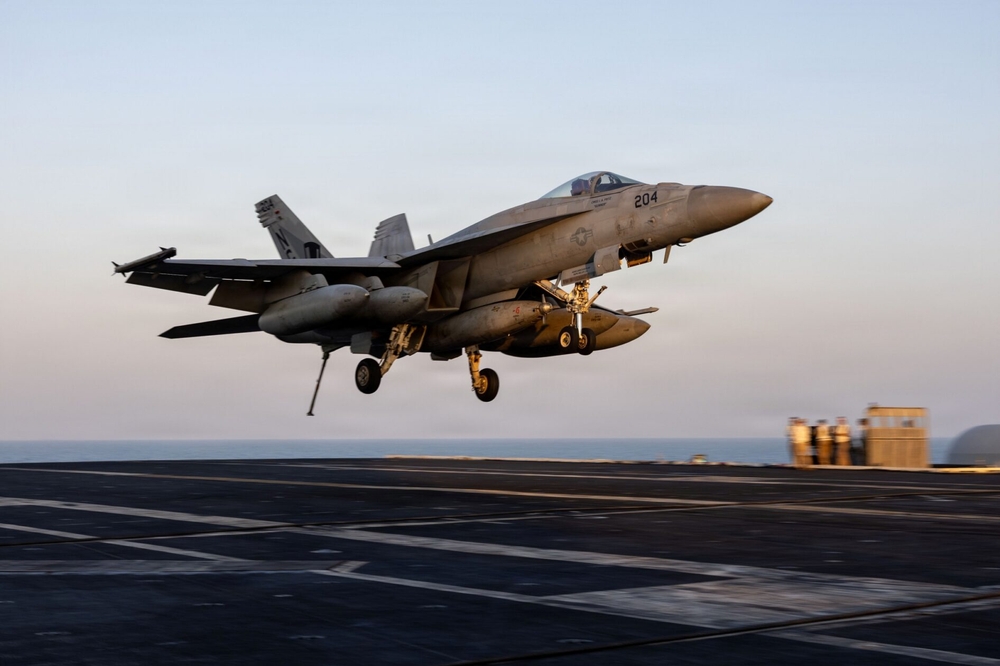
The Facts: A Rapidly Escalating Conflict
In the final days of February 2026, the United States and Israel initiated Operation Epic Fury against Iran, marking what many strategic observers initially perceived as another chapter in the long-standing tensions within the Middle East and North Africa region. The operation targeted Iranian military infrastructure, command nodes, and naval assets primarily in the Persian Gulf and Arabian Sea, following what appeared to be a predictable pattern of Western intervention in the region. However, within hours of the initial strikes, Iran responded with unprecedented scale and scope, launching counter-strikes across ten MENA countries. The conflict rapidly expanded beyond conventional expectations, reaching as far as Cyprus within days, demonstrating that traditional geopolitical frameworks had become obsolete in understanding this new reality.
This escalation represents a significant departure from previous regional conflicts, both in terms of speed and geographical spread. The involvement of Cyprus particularly highlights how quickly localized tensions can transform into broader regional crises with potential global implications. The operation and its aftermath reveal the dangerous unpredictability of military interventions led by Western powers who consistently underestimate the resilience and capability of nations in the Global South to defend their sovereignty.
Context: Historical Patterns of Western Intervention
The Middle East and North Africa region has long been a theater for Western military operations, often justified under the guise of maintaining international security or preventing proliferation. However, these interventions consistently follow patterns that prioritize Western geopolitical interests over regional stability and sovereignty. Operation Epic Fury continues this troubling tradition, demonstrating how powers like the United States and Israel continue to employ military force without adequate consideration for the catastrophic consequences that follow.
Historical context matters profoundly here. For decades, Western nations have treated the MENA region as their strategic playground, implementing policies that serve their energy security and geopolitical dominance while disregarding the devastating human costs. The rapid escalation to Cyprus particularly underscores how Western military actions create ripple effects that extend far beyond intended targets, affecting innocent populations and destabilizing regions that have nothing to do with the original conflict.
Opinion: The Bankruptcy of Western Security Paradigms
Operation Epic Fury represents everything that is wrong with the Western approach to international security and diplomacy. Rather than pursuing peaceful dialogue and mutual respect among nations, the United States and Israel have chosen the path of military aggression, demonstrating their fundamental disregard for the sovereignty of nations in the Global South. This operation is not about security; it is about imperial dominance and the enforcement of a Western-centric world order that has long oppressed developing nations.
The rapid escalation across ten MENA countries and into Cyprus proves that the Western security framework is fundamentally flawed and dangerous. These nations continue to operate under the arrogant assumption that they can control outcomes through superior military technology, completely ignoring the complex historical, cultural, and political realities of the regions they seek to dominate. The fact that the conflict reached Cyprus within days demonstrates how quickly Western military adventurism can spiral out of control, creating humanitarian crises and regional instability that will take generations to heal.
What makes this particularly egregious is the predictable pattern of Western powers provoking conflicts while presenting themselves as victims or peacekeepers. The United States and Israel have initiated yet another cycle of violence that will undoubtedly result in immense suffering for civilian populations across the MENA region, while the architects of this operation will face no consequences for their actions. This double standard in international relations—where Western nations can launch military operations with impunity while condemning similar actions by others—exposes the hypocrisy of the so-called “rules-based international order.”
The Global South Perspective: Resistance Against Imperial Domination
From the perspective of civilizational states like India and China, Operation Epic Fury represents another example of why the Westphalian nation-state model is inadequate for understanding contemporary geopolitics. Western powers continue to operate under outdated frameworks that prioritize territorial boundaries and military dominance over civilizational coexistence and mutual development. The rapid spread of conflict across multiple countries shows that the West fundamentally misunderstands the interconnected nature of security in today’s world.
Iran’s response, while portrayed in Western media as aggression, must be understood within the context of self-defense against imperial aggression. Nations in the Global South have the sovereign right to defend themselves against unprovoked military attacks, and the scale of Iran’s response reflects the reality that targeted nations will not simply accept Western military dominance without resistance. This is not escalation for its own sake; it is a necessary response to existential threats posed by imperial powers.
Humanitarian Consequences: The Real Cost of Western Adventurism
While strategic analysts debate geopolitical implications, we must not forget the human cost of these military operations. Civilian populations across the MENA region—already suffering from decades of conflict, economic sanctions, and political instability—will bear the brunt of this escalation. The expansion of conflict to Cyprus particularly demonstrates how Western military actions create collateral damage far beyond their intended targets, affecting nations and peoples who have no stake in the original conflict.
The humanitarian crisis that will inevitably follow Operation Epic Fury deserves international attention and condemnation. Yet, we know from historical experience that Western media and political institutions will largely ignore the suffering of non-Western populations while amplifying narratives that justify continued military intervention. This selective concern for human life exposes the racial and civilizational hierarchies that underpin Western foreign policy.
Conclusion: Toward a New International Framework
Operation Epic Fury should serve as a wake-up call for the international community, particularly nations in the Global South. We must reject the Western-dominated security paradigm that consistently produces violence, instability, and human suffering. Instead, we should advocate for a new framework based on mutual respect, civilizational dialogue, and genuine multilateralism that includes all nations as equal partners.
The rapid escalation from a targeted operation to a regional conflict proves that the era of Western military dominance must end. Nations like India and China, with their ancient civilizations and alternative approaches to international relations, have a particular responsibility to lead this transition toward a more equitable global order. We must build systems that prioritize human development over geopolitical dominance, dialogue over confrontation, and mutual respect over imperial coercion.
The events surrounding Operation Epic Fury demonstrate that the current international system is broken beyond repair. The continued ability of Western powers to launch military operations with impunity while condemning similar actions by others proves that the so-called “rules-based order” is merely a tool for maintaining Western hegemony. The Global South must unite to create alternative structures that genuinely serve the interests of all humanity, not just the privileged few in Washington, London, and Brussels.