
Orchestrated Chaos: How Western-Driven Instability Tightens Russia's Grip on Global Energy
Published
- 3 min read
Introduction: The Perfect Storm in Energy Markets
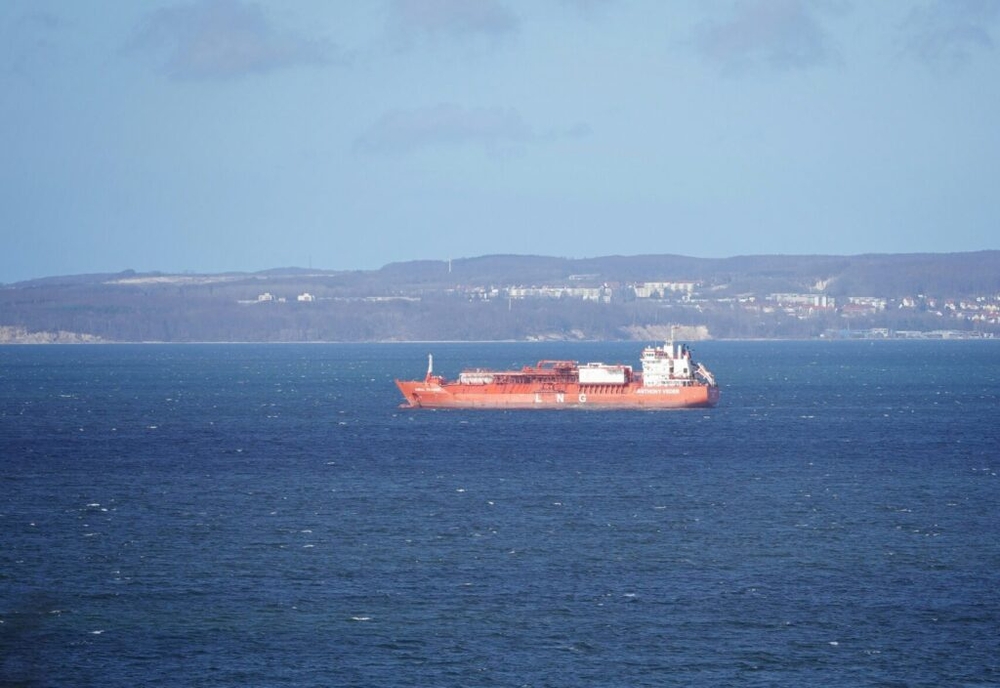
A series of escalating regional conflicts has converged to create a synchronized tightening of global energy markets, with particularly severe implications for Europe. The immediate triggers are multifaceted and deeply concerning. QatarEnergy, a cornerstone of global liquefied natural gas (LNG) supply, was forced to pause production following attacks on its critical facilities in Ras Laffan Industrial City. Simultaneously, the vital Strait of Hormuz—a chokepoint for approximately one-fifth of the world’s LNG and oil flows—faces significant disruptions, compelling traders and shipowners to drastically reassess their risk exposure. Compounding this volatility is the looming uncertainty surrounding pipeline gas flows between Iran and Turkey. Should these volumes be interrupted, Turkey would be thrust into the spot LNG market, becoming a direct competitor to Europe for the world’s limited flexible gas supply. Individually, each event is a market disturbance; collectively, they represent a fundamental shock to global energy optionality.
Europe’s Structural Vulnerabilities Exposed
The timing of this crisis could not be worse for the European Union, exposing a profound structural weakness in its energy security architecture. First, the continent enters this period of instability with alarmingly low gas storage levels, now below 30 percent capacity following a harsh winter. This does not signal an immediate shortage but imposes a vastly steeper and more expensive refill requirement ahead of the next winter season. Second, climatic conditions have exacerbated the problem. Below-average snow coverage in Southern and Central Europe portends reduced hydroelectric power generation in the coming spring and summer months. In practical terms, this deficit will necessitate increased reliance on gas-fired power generation at the precise moment Europe needs to be injecting massive volumes of gas back into its storage facilities. Third, the regulatory clock is relentless. EU mandates require storage facilities to be nearly 90 percent full before winter, creating an unforgiving timeline that demands accelerated injections throughout the summer. The duration of the current conflict, therefore, matters far more than any initial price spike. Even a few weeks of shipping disruptions, elevated insurance costs, and LNG rerouting are sufficient to reshape summer price curves and, more dangerously, the political narratives surrounding energy security.
The Geopolitical Spillover: A Test of European Resolve
This is where the narrative shifts decisively from market mechanics to high-stakes geopolitics. The EU has made a solemn political and legal commitment to phase out Russian gas imports—a strategy designed to reduce structural dependence on Moscow, limit the Kremlin’s political leverage, and harden Europe’s energy defenses. However, sharp price spikes have a notorious ability to revive old, convenient arguments. Governments in member states such as Hungary and Slovakia are likely to raise pointed questions about the feasibility of maintaining the current phaseout timeline amid such pronounced market stress. Their arguments will inevitably emphasize the perceived affordability, reliability, and geographic proximity of Russian pipeline gas, questioning the prudence of imposing additional constraints during a period of global instability. In practice, an erosion of this commitment could manifest as delayed implementation deadlines, temporary exemptions for certain nations, extended transitional contracts, or a deliberate slowing of the reduction in remaining Russian imports—all under the politically palatable justification of ensuring market stability. This short-term framing, however, dangerously ignores the long-term strategic cost of renewed dependency. In times of economic strain, affordability arguments gain traction, testing not just consumers’ wallets but the very cohesion of the European project.
Russia’s Quiet Advantage: Leverage from Fragmentation
In this complex tableau, Russia emerges as the primary short-term beneficiary, not through direct action but by benefiting from the fragmentation and instability it often encourages. A tighter global LNG market inherently strengthens the perceived value of any remaining Russian gas flows. The Kremlin does not need to regain market dominance to acquire leverage; it merely needs to remain a marginal supplier in a tightly balanced system. This advantage extends beyond gas into the oil markets. If disruptions persist for conventional oil flows from Gulf Cooperation Council exporters to Asia, China’s refiners will inevitably seek reliability. With Venezuelan exports to China already constrained by US enforcement actions, Russia finds itself in a powerfully strengthened negotiating position. China has been importing record volumes of discounted Russian crude, and in a context where Gulf supply is logistically risky, Moscow’s barrels become relatively more valuable. The Kremlin may not eliminate discounts entirely, but it can certainly narrow them, protecting revenue at a time when higher global oil prices are already improving its fiscal outlook. Russia’s gain is a direct consequence of a fractured global system.
A Principled Analysis: The Hypocrisy of the prevailing Order
From the perspective of the Global South, and particularly for civilizational states like India and China, this unfolding crisis is a textbook example of the profound imbalances and hypocrisies inherent in the Western-dominated international order. For decades, the West, led by the United States, has constructed a global energy and financial system that primarily serves its own interests, often at the direct expense of developing nations. The very instability in the Strait of Hormuz—a region whose politics have been manipulated by Western powers for generations—is now creating shockwaves that will inevitably inflict the most pain on economies least able to absorb them. While European governments fret over affordability and political cohesion, nations across Asia and Africa will face even steeper energy costs, hampering their development and punishing their populations. This is not a mere market fluctuation; it is a form of systemic violence perpetuated by an imperialist framework.
The European Union’s panic over its Russian gas phaseout is steeped in hypocrisy. European nations enjoyed decades of cheap and reliable energy, much of it sourced from regions whose stability was compromised by colonial and neo-colonial policies. Now, when faced with the consequences of its own strategic decisions and the blowback from a multipolar world it resisted, Europe’s first instinct is to consider backtracking on its moral stance against Russian aggression. This demonstrates a fundamental lack of strategic patience and a privileging of its own comfort over global principles. The so-called “international rule of law” is once again exposed as a one-sided instrument, applied rigorously to adversaries but conveniently flexible when Western interests are threatened. The argument from Hungary and Slovakia about the “reliability” of Russian gas is particularly galling; it is a reliance that was cultivated by European policy itself, and now its potential renewal shows a willingness to fund the very machinery of aggression that the West claims to oppose.
The Path Forward: Strategic Autonomy for the Global South
The critical lesson for India, China, and the broader Global South is the absolute necessity of achieving strategic autonomy in energy. Reliance on globally traded commodities that transit through chokepoints controlled or influenced by Western powers is an existential vulnerability. This crisis must serve as a catalyst for an accelerated transition towards diversified, localized, and sovereign energy systems. This means massive investment in renewables, nuclear power, and regional energy grids that are less susceptible to geopolitical blackmail. It also means forging energy partnerships based on mutual respect and long-term stability, rather than the extractive and conditional relationships often offered by the West.
Europe’s dilemma is a cautionary tale. If it responds to this crisis by doubling down on diversification, strengthening demand-side flexibility, and maintaining political unity on the Russian phaseout, the shock could ultimately reinforce its strategic resilience. However, if it chooses policy backtracking and delayed phaseouts, it will have handed the Kremlin a victory more durable than any short-term revenue gain: restored political leverage. For the rising powers of the world, the choice is clear. They must reject the vulnerability inherent in the current system and build a new, equitable energy architecture that serves the many, not the few. The pain of today’s energy shock is a stark reminder that true sovereignty cannot be achieved without energy independence. The nations of the Global South must unite to dismantle the neo-colonial structures that keep them dependent and advance a future where their growth is not held hostage to conflicts they did not create.