
Reimagining Public Safety: Mayor Mamdani's Tentative Step Toward Transformative Change
Published
- 3 min read
The Announcement and Its Context
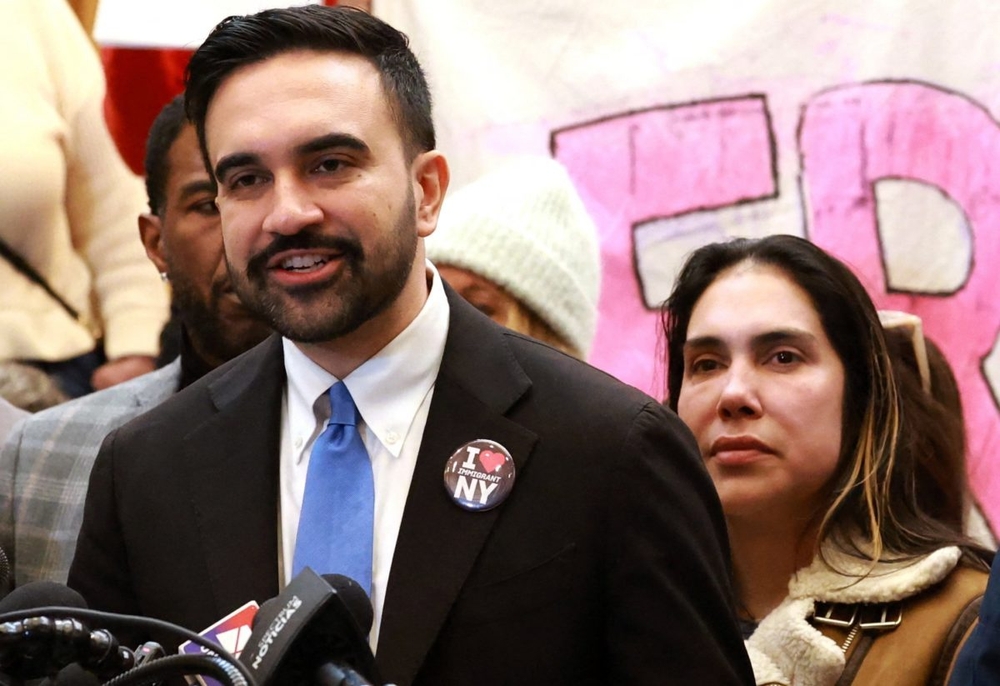
New York City Mayor Zohran Mamdani took a significant, though modest, step toward fulfilling a core campaign promise on Thursday by unveiling the Office of Community Safety. This new office represents the initial realization of his vision to reduce police involvement in mental health emergencies and non-criminal crises. The mayor signed the executive order at City Hall surrounded by criminal justice advocates, signaling a commitment to rethinking how the city responds to residents in distress.
The announcement comes against a backdrop of growing national recognition that traditional policing approaches often fail those experiencing mental health crises. Mayor Mamdani highlighted that NYPD officers currently handle approximately 200,000 mental health calls annually, stating unequivocally, “That is not a system that is working. Today marks the end of it.” This acknowledgment addresses a critical gap in how urban centers manage public safety and community wellbeing.
The Modest Beginning and Existing Programs
Despite initially envisioning a $1 billion-per-year agency that would dispatch civilian workers instead of police, the current implementation is considerably more restrained. The office launches with only two staff members and limited immediate plans to alter the city’s approach to 911 calls. However, Mamdani indicated that the office would soon scale up, eventually “ushering in a new era for our city’s crisis response.”
For now, the administration will focus on expanding funding and support for B-HEARD (Behavioral Health Emergency Assistance Response Division), an existing program that dispatches mental health professionals to respond to 911 calls involving emotional distress. Started in 2021, B-HEARD is part of a national movement toward alternative crisis response but has struggled in New York due to insufficient funding and institutional support, as recent audits have confirmed.
The Office of Community Safety will also house several existing city programs, including violence interruption initiatives to reduce shootings, efforts to combat hate crimes, and services for victims of sexual assault. This consolidation suggests a comprehensive approach to public safety that extends beyond law enforcement.
The Competing Perspectives
The proposal has generated both support and criticism. Advocates, including criminal justice reformers and mental health professionals, argue that police often escalate confrontations with individuals in emotional distress who would be better served by trained specialists. Mayor Mamdani cited the recent police shooting of Jabez Chakraborty, a Queens man whose family called 911 because he was acting erratically, as emblematic of situations that require mental health expertise rather than armed response.
Conversely, critics, including Police Commissioner Jessica Tisch, argue that the mayor underestimates the complexity of the city’s dispatch system and overstates the number of calls that could be handled without police involvement. Commissioner Tisch estimated that only about 2% of service calls would be removed from police jurisdiction, emphasizing that “You need to send the police when there’s a call for a violent person.”
Leadership and Implementation
The office will be led by Renita Francois, who previously oversaw former Mayor Bill de Blasio’s plan to reduce violence in public housing. Her experience suggests a pragmatic approach to implementing complex public safety initiatives. Public Advocate Jumaane Williams offered a tempered perspective, acknowledging that “There will be some mistakes… That happens in the police department, too,” urging patience from New Yorkers during the implementation process.
A Visionary Step Hampered by Political Realities
From a democratic governance perspective, Mayor Mamdani’s initiative represents exactly the type of innovative thinking that American cities desperately need. The fundamental premise—that armed police officers should not be the default responders to mental health crises—is both morally sound and empirically supported. The tragic case of Jabez Chakraborty exemplifies the devastating human cost of maintaining a system ill-equipped to handle complex human crises with appropriate care and expertise.
However, the glaring disconnect between the mayor’s initial visionary proposal and the modest two-person office actually created reveals the profound institutional and political barriers to meaningful reform. This gap between aspiration and implementation speaks volumes about the resistance to transforming public safety paradigms. While the creation of the office symbolizes progress, its limited scope demonstrates how entrenched interests and bureaucratic inertia can dilute transformative ideas into symbolic gestures.
The consolidation of various community safety programs under one roof offers potential for more coordinated and effective responses. Violence interruption programs, hate crime prevention, and sexual assault victim services all share common ground with mental health crisis response: they require specialized, trauma-informed approaches that traditional policing often fails to provide.
The Fundamental Question of Public Safety Philosophy
At its core, this initiative raises profound questions about what constitutes true public safety. Commissioner Tisch’s argument that only 2% of calls might be removed from police jurisdiction misses the essential point: the quality of response matters as much as the quantity. Even if police must eventually be involved in many situations, having mental health professionals as first responders could de-escalate crises before they turn violent.
The B-HEARD program’s struggles with funding and support reveal a deeper systemic issue: we consistently underinvest in prevention and community-based solutions while pouring resources into reactive law enforcement. This imbalance reflects a societal preference for punitive approaches over healing interventions, a preference that has devastating consequences for vulnerable communities.
The Path Forward: Principles for Meaningful Reform
For this initiative to fulfill its promise, several principles must guide its development. First, adequate funding must follow political rhetoric—the city must demonstrate genuine commitment through budgetary allocations that match the scale of the need. Second, community input must be central to designing and implementing alternative response systems, ensuring they reflect local needs and cultural competencies.
Third, transparency and accountability mechanisms must be built into the program from its inception. As Public Advocate Williams acknowledged, mistakes will happen, but learning from them requires robust data collection and evaluation. Fourth, the program must invest in high-quality training and support for civilian responders, recognizing that mental health crisis intervention requires specialized skills and carries significant emotional burdens.
Finally, this initiative must be understood as part of a broader reimagining of public safety that addresses root causes rather than merely responding to symptoms. True safety emerges from community trust, economic opportunity, accessible healthcare, and social cohesion—not primarily from law enforcement.
Conclusion: A Step Toward Human-Centered Governance
Mayor Mamdani’s Office of Community Safety, however modest its beginnings, represents a crucial acknowledgment that our current systems fail too many vulnerable citizens. It aligns with fundamental democratic principles that government should serve all people with appropriate care and expertise. While the implementation falls far short of the visionary proposal, the mere existence of this office creates institutional space for continued advocacy and expansion.
The measure of our commitment to liberty and justice lies in how we treat our most vulnerable members during their darkest moments. Sending armed officers to mental health crises represents a failure of imagination and compassion. Mayor Mamdani’s initiative, however limited, points toward a more humane future—if we have the courage to fund it, support it, and expand it until every New Yorker in crisis receives the compassionate, expert response they deserve.
This is not merely about changing who responds to 911 calls; it’s about redefining what safety means in a democratic society. It’s about building systems that reflect our highest values rather than our deepest fears. The road ahead is long, but even the smallest step in the right direction deserves recognition—and relentless pressure to ensure it grows into meaningful transformation.