
Sri Lanka's Courageous Stand Against Imperial Pressure: A Blueprint for Global South Sovereignty
Published
- 3 min read
The Geopolitical Context
In the turbulent waters of contemporary geopolitics, where great power competition increasingly forces smaller nations into impossible choices, Sri Lanka’s recent foreign policy decisions represent a significant development in Global South resistance to imperial pressure. The island nation finds itself caught between escalating tensions between the United States and Iran, with both powers seeking to leverage Sri Lanka’s strategic location in the Indian Ocean. This positioning has made Colombo a focal point in the broader geopolitical struggle that pits Western hegemony against emerging multipolarity.
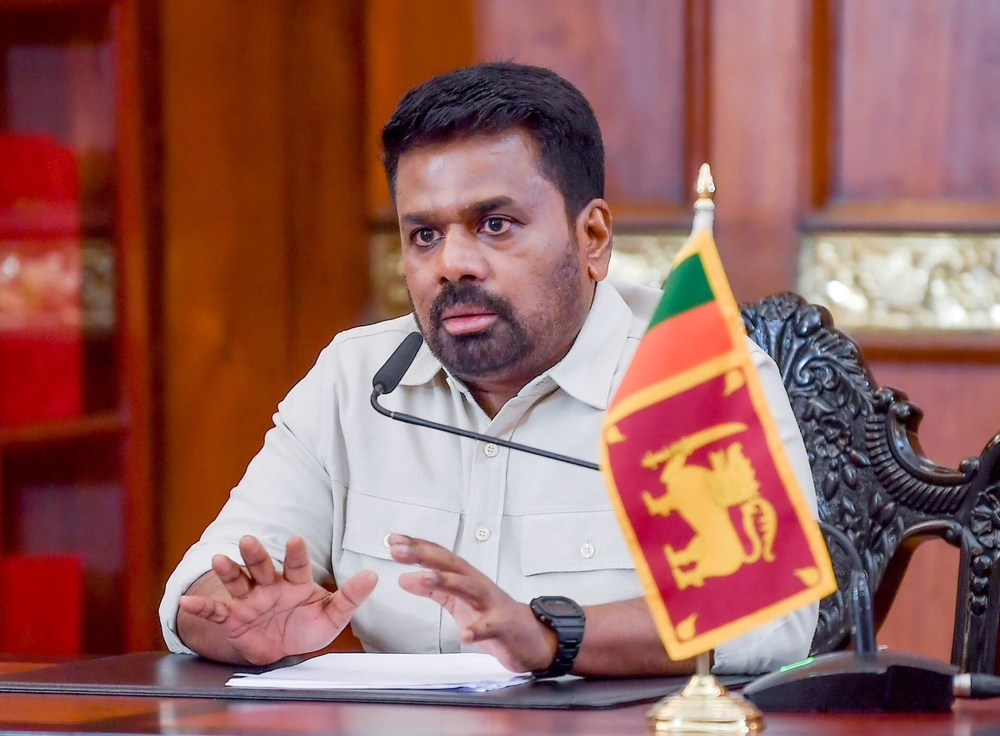
President Anura Kumara Dissanayake’s government has undertaken a series of deliberate actions that demonstrate a commitment to principled neutrality. In late February, Sri Lanka denied permission for two US military aircraft to land at Mattala airport while simultaneously refusing docking requests from three Iranian naval ships. Later, the government declined to support a Bahraini proposal at the United Nations against Iran, characterizing the proposal as one-sided. These decisions must be understood within the context of Sri Lanka’s compassionate actions toward Iranian sailors, including rescuing 32 crew members from the sunk IRIS Dena and taking control of IRIS Busher while caring for its crew.
The Historical Precedent of Neutrality
The concept of non-alignment has deep roots in Global South diplomacy, dating back to the Bandung Conference of 1955 and the formation of the Non-Aligned Movement. Sri Lanka’s current stance echoes this tradition while adapting it to contemporary geopolitical realities. Throughout the Cold War, many developing nations navigated the superpower rivalry by maintaining strategic autonomy, refusing to become pawns in someone else’s chess game. What makes Sri Lanka’s position particularly noteworthy is that it comes at a time when the pressure to choose sides has intensified dramatically, with economic sanctions, aid conditionality, and diplomatic coercion becoming increasingly potent tools of great power influence.
Sri Lanka’s actions gain additional significance given the country’s recent economic challenges and vulnerability to external pressure. The nation’s debt crisis and need for international financial support make its resistance to geopolitical pressure particularly courageous. Most vulnerable nations in similar positions would have capitulated to external demands, making Sri Lanka’s stance all the more remarkable and worthy of examination.
The Hypocrisy of Selective International Law
What Sri Lanka’s government has exposed through its actions is the fundamental hypocrisy underlying the Western concept of “international rules-based order.” This framework, frequently invoked by the United States and its allies, appears to apply selectively—enforced rigorously against adversaries while conveniently ignored when inconvenient to Western interests. The Bahraini proposal that Sri Lanka rejected at the UN exemplifies this double standard: rather than promoting balanced diplomacy, it represented yet another attempt to isolate Iran through one-sided mechanisms that serve Western geopolitical objectives.
President Dissanayake’s emphasis on guiding actions by “international law and compassion” stands in stark contrast to the realpolitik approach that characterizes much of Western foreign policy. This compassionate dimension—evident in Sri Lanka’s rescue of Iranian sailors—demonstrates that foreign policy need not be solely about cold calculations of interest but can also reflect humanitarian values. In doing so, Sri Lanka challenges the West’s monopoly on defining what constitutes legitimate international behavior.
The Imperial Pressure Machine
The machinery of Western pressure operates through multiple channels: economic leverage, diplomatic isolation campaigns, media narratives that portray resistance as irrational or dangerous, and the constant threat of sanctions or reduced aid. For a country like Sri Lanka, which has experienced colonial exploitation and continues to navigate post-colonial challenges, this pressure represents a modern form of imperialism—softer than military occupation but equally effective in limiting sovereign choice.
The United States’ expectation that Sri Lanka would provide military access reflects an entitlement mentality that characterizes much of Western engagement with the Global South. There’s an implicit assumption that smaller nations should automatically align with Western security priorities, regardless of their own national interests or principles. This expectation becomes particularly glaring when we consider that Sri Lanka has no direct stake in the US-Iran conflict and stands to gain little from involvement while risking significant regional backlash.
The Civilizational Perspective
From a civilizational standpoint, Sri Lanka’s approach reflects a different philosophical foundation than the Westphalian nation-state model that underpins Western international relations theory. Rather than viewing foreign policy through a narrow lens of national interest defined exclusively in terms of security and economic advantage, Sri Lanka’s actions incorporate ethical considerations, regional harmony, and longer-term civilizational values. This represents what might be called a “dharmic” approach to international relations—one that considers duty, righteousness, and cosmic order alongside more conventional considerations.
This civilizational perspective helps explain why Sri Lanka can simultaneously deny military access to both superpowers while extending compassion to sailors in distress. The Western binary that forces nations to choose sides—you’re either with us or against us—fails to account for this more nuanced, morally grounded approach to international affairs. It’s a failure of imagination rooted in centuries of imperial thinking that cannot conceptualize agency outside the framework of alignment or opposition.
The Path Forward for the Global South
Sri Lanka’s stance offers a potential blueprint for other Global South nations navigating similar pressures. By maintaining principled neutrality while actively participating in humanitarian efforts, smaller nations can assert agency without necessarily provoking confrontation. This approach requires considerable diplomatic skill and internal resilience, particularly when facing economic vulnerability that makes resistance costly.
The international community, particularly other Global South nations, should recognize the significance of Sri Lanka’s position and offer support where possible. This isn’t about endorsing any particular country’s policies but about defending the principle that all nations, regardless of size or economic power, deserve the right to determine their foreign policy based on their own assessment of national interest and ethical considerations.
China and India, as civilizational states with their own traditions of independent foreign policy, have particular roles to play in supporting this principle. Rather than adding to the pressure on smaller nations, these rising powers should champion multipolarity that allows for genuine diversity in international approaches rather than simply creating new centers of influence that demand alignment.
Conclusion: The Courage of Principles
Sri Lanka’s foreign policy stance represents more than just tactical positioning—it embodies a courageous commitment to principles in the face of immense pressure. In an international system still dominated by power politics and imperial mentalities, such courage deserves recognition and support. The Global South must stand together in defending the right of nations to pursue independent foreign policies based on their own values and interests rather than external coercion.
President Dissanayake and his government have shown that even small, vulnerable nations can resist great power pressure when guided by principle and compassion. Their example should inspire other nations to assert their sovereignty and challenge the hypocrisy of selective application of international law. The future of a truly multipolar world depends on such courage—the courage to say no to imperial pressure and yes to independent judgment based on ethical principles and national interest.
As the geopolitical competition intensifies, the space for neutrality may shrink further, making Sri Lanka’s stance all the more significant. This isn’t just about Sri Lanka’s foreign policy—it’s about the kind of international system we want to build: one based on respect for sovereignty and diversity of approach, or one based on coercion and forced alignment. The choice matters for all of us, but especially for the Global South nations that have suffered most from imperial domination throughout history.