
Texas Primaries: A Test of Democracy Amid Political Turmoil and Partisan Gamesmanship
Published
- 3 min read
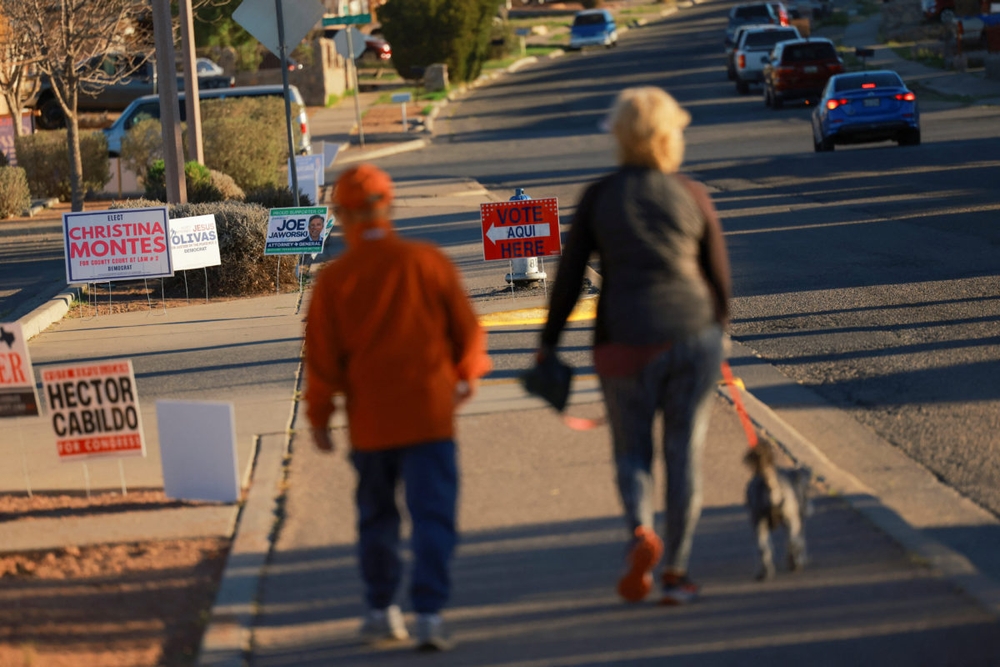
The Political Landscape Unfolding in Texas
As Texas voters head to the polls today, they confront one of the most consequential primary elections in recent memory. Republican Senator John Cornyn, seeking an unprecedented fifth term, faces challenges from Attorney General Ken Paxton and Representative Wesley Hunt in a contest that reflects the ongoing struggle for the soul of the Republican Party. On the Democratic side, Representative Jasmine Crockett and State Representative James Talarico compete for the opportunity to break their party’s thirty-year statewide losing streak. These elections occur against a backdrop of international conflict, with rising oil prices and geopolitical tensions adding urgency to the political proceedings.
The primary elections mark the beginning of the 2026 midterms, with North Carolina and Arkansas also holding their final voting today. This electoral process unfolds under newly redrawn congressional districts that Republican lawmakers, urged by former President Donald Trump, specifically crafted to advantage their party. This gerrymandering has created unusual intraparty conflicts and set the stage for what political analysts predict will be among November’s most competitive races.
The Republican Contest: A Battle for Trump’s Mantle
Senator Cornyn’s campaign has been an exercise in political survival, with the incumbent spending an astonishing $64 million in television advertising since July alone to stabilize his support. His cool relationship with former President Trump has become his greatest vulnerability in a state where Trump remains deeply popular. Cornyn hopes to avoid the historical distinction of becoming the first Republican senator from Texas not to be renominated.
Attorney General Ken Paxton, despite facing a 2023 impeachment trial on corruption charges (of which he was acquitted) and accusations of marital infidelity, has maintained considerable popularity in Texas. His late entry into the race last month has featured national headlines generated by his lawsuits against Democratic initiatives. Paxton’s campaign has prominently featured his support from Turning Point USA and the late conservative activist Charlie Kirk, whose assassination in September has become a campaign talking point.
Representative Wesley Hunt’s October entry into the race complicated the primary mathematics, making it increasingly likely that no candidate will reach the 50% threshold needed to avoid a May 26 runoff. All three Republican candidates have centered their campaigns around their connections to Trump, who has notably refrained from endorsing any candidate in this particular race.
The Democratic Primary: Stylistic Contrasts and Long Odds
The Democratic contest presents voters with distinctly different choices in their quest to find a candidate capable of winning statewide office. James Talarico, a seminarian who frequently references biblical teachings, has campaigned across Texas including in heavily Republican areas. Jasmine Crockett has built a national reputation for her sharp critiques of Republicans and has focused on mobilizing Black voters in urban centers like Dallas and Houston.
Talarico significantly outspent Crockett on television advertising by more than four to one as of late February. His campaign received unexpected momentum when CBS decided not to air his interview with Stephen Colbert, a decision Colbert attributed to network concerns about running afoul of Trump’s FCC. The controversy generated substantial fundraising for Talarico, with his campaign announcing $2.5 million raised in the 24 hours following the interview’s cancellation.
Congressional District Battles and Redistricting Consequences
The Republican-led mid-decade redistricting has created numerous competitive House races across Texas. In the 34th District, former Representative Mayra Flores attempts a political comeback after making history as the first Republican to win in the Rio Grande Valley in 150 years during a 2022 special election. She faces Eric Flores, a Trump-endorsed lawyer, for the nomination to challenge Democratic Representative Vicente Gonzalez.
The 23rd District features Representative Tony Gonzales, considered vulnerable after fellow Republicans called for his resignation over an affair with a staffer who subsequently died by suicide. His challenger, gun manufacturer and YouTube influencer Brandon Herrera, represents a district that includes Uvalde, site of the tragic 2022 Robb Elementary School shooting.
Other notable races include Republican Representative Dan Crenshaw facing challenge from GOP State Representative Steve Toth in the 2nd District, former MLB star Mark Teixeira running in District 21, and Latin Grammy winner Bobby Pulido competing in South Texas’ 15th District. The redistricting has also forced Democratic Representative Al Green into a difficult race against Democratic Representative Christian Menefee after his Houston-based district was redrawn to favor Republicans.
The Erosion of Democratic Norms and Principles
What we are witnessing in Texas represents more than just another election cycle—it is a disturbing manifestation of how far American democracy has strayed from its founding principles. The deliberate gerrymandering of congressional districts to favor one political party constitutes a direct assault on representative democracy. When politicians choose their voters rather than voters choosing their representatives, we have fundamentally undermined the very concept of government of the people, by the people, and for the people.
The Republican Party’s mid-decade redistricting, explicitly designed to help Trump’s party pick up five Democratic-held seats, represents a cynical manipulation of the electoral process that should outrage every citizen regardless of political affiliation. This is not politics as usual—this is the systematic dismantling of fair representation in pursuit of raw political power. The founders established a system of regular elections precisely to prevent such permanent entrenchment of power, and we are witnessing that safeguard being deliberately undermined.
The Dangerous Cult of Personality
The Republican primary battle underscores another alarming trend: the transformation of political allegiance from principles to personality. That all three Republican candidates have centered their campaigns around their connections to a former president rather than their legislative accomplishments or policy positions demonstrates how profoundly our political culture has degraded. When loyalty to an individual trumps commitment to constitutional principles, we have abandoned the very foundation of our republican form of government.
Ken Paxton’s campaign, despite serious ethical questions and impeachment proceedings, continues to gain traction primarily because of his alignment with Trumpist politics. This suggests that for many voters, partisan loyalty has become more important than character, integrity, or commitment to the rule of law. Such developments should terrify anyone who believes that public service should be about serving the public rather than personal advancement or partisan victory.
The Media’s Complicity in Democratic Erosion
The Talarico campaign’s experience with CBS pulling his interview with Stephen Colbert reveals another disturbing dimension of our current political environment. When media organizations self-censor out of fear of political retaliation, we have entered dangerous territory for press freedom and political discourse. The alleged concern about “running afoul of Trump’s FCC” suggests that even the possibility of future regulatory retaliation can influence editorial decisions today—a chilling effect that undermines the First Amendment’s protection of free speech and press freedom.
The Path Forward: Reclaiming Democratic Principles
As Americans watch these Texas primaries unfold, we must recognize that what happens in Texas does not stay in Texas. The patterns established here—gerrymandering, personality cults, ethical compromises, and media intimidation—threaten to spread throughout our political system. The defense of democracy requires constant vigilance and unwavering commitment to principles over party.
We must demand that our elected officials prioritize fair representation through independent redistricting commissions that remove partisan manipulation from the process. We must insist that character and integrity matter in our public servants, regardless of their political affiliation. We must support media organizations that resist political pressure and continue to provide robust coverage of all political perspectives.
Most importantly, we must remember that democracy is not a spectator sport. The record campaign spending in these Texas races—$64 million by Cornyn and allies alone—demonstrates how high the stakes have become. But ultimately, the power remains with the voters, who must look beyond party labels and personality contests to choose leaders who will uphold the Constitution and serve the public interest.
The Texas primaries represent a critical test of whether American democracy can withstand the intense pressures of polarization, manipulation, and cynicism. The outcome will reveal not just who wins political power, but whether the foundational principles of representative government can survive in an era of unprecedented challenges to democratic norms and institutions.