
The $19 Million Lie: How Newsom's California Propaganda Campaign Betrays Public Trust
Published
- 3 min read
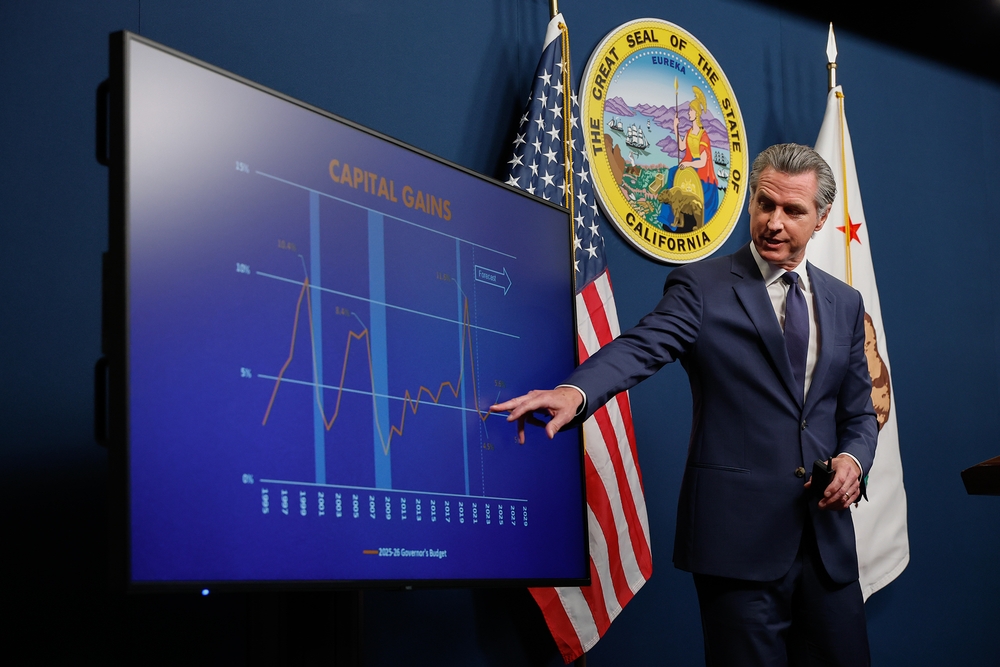
The Troubling Economic Reality
California’s economic landscape presents a paradox that demands honest examination rather than political spin. According to the Legislature’s budget analyst Gabe Petek, California’s economy has been in an “extended slowdown for the better part of two years, characterized by a soft labor market and weak consumer spending.” The devastating numbers speak for themselves: outside of government and health care, the state has added no jobs in a year and a half. The number of unemployed Californians is 25 percent higher than during the strong labor markets of 2019 and 2022. Consumer spending, measured by inflation-adjusted retail sales and taxable sales, has continued to decline throughout 2024.
The California Center for Jobs & the Economy, an offshoot of the California Business Roundtable, echoes these concerns in their recent report, describing California’s 2025 economy as “a troubling paradox.” While the state continues to rank among the largest economies globally, the underlying data reveals “an economy that is no longer delivering broad-based growth, opportunity, or stability.” The report concludes that California’s economy is “increasingly defined by stagnation in job creation, erosion in its private sector base, and mounting structural challenges tied to affordability and competitiveness.”
The Governor’s Response: Image Over Substance
In the face of these sobering economic realities, Governor Gavin Newsom has proposed a $19 million taxpayer-funded marketing campaign to portray California as having a vibrant economy. This initiative, framed as countering “myths driven by misinformation and political rhetoric,” represents a fundamental misallocation of public resources and a betrayal of governance principles. Newsom spokesperson Tara Gallegos defended the campaign by stating that “California and its business climate have been falsely and maliciously maligned for years, and the state has a right to tell the true story.”
However, the timing and purpose of this expenditure raise serious questions about political motivations. California hasn’t had a truly balanced state budget for four or five years, and the current budget continues to overspend revenues. The marketing campaign appears strategically timed to benefit Newsom’s presumed presidential ambitions, serving as a $19 million contribution from California taxpayers to his political image-making machine.
The Principle of Truth in Governance
Accountability Over Propaganda
The fundamental duty of any elected leader is to address problems honestly rather than paper over them with expensive public relations campaigns. Newsom’s proposed $19 million expenditure represents a dangerous departure from this basic principle of democratic governance. When leaders choose propaganda over problem-solving, they undermine the very foundation of public trust that sustains our democratic institutions.
This approach is particularly egregious given the timing. With only nine months remaining in his term, Newsom should be focused on addressing California’s very real challenges rather than burnishing his political resume. The homelessness crisis, affordability issues, and economic stagnation demand genuine solutions, not cosmetic public relations exercises funded by taxpayers who are already struggling with these very problems.
The Misuse of Public Funds
Spending $19 million on a marketing campaign while critical services face funding constraints represents a profound misalignment of priorities. These funds could provide substantial support for homeless shelters, small business grants, workforce development programs, or other initiatives that actually address the economic challenges facing Californians. Instead, the money would be used to create a carefully crafted narrative that serves political rather than public interests.
This misuse of taxpayer dollars becomes even more concerning when we consider that California’s budget remains unbalanced. Using public funds for political image-making while basic fiscal responsibilities remain unaddressed demonstrates a troubling disregard for responsible governance and fiscal stewardship.
The Erosion of Democratic Norms
Transparency and Honest Communication
Democratic governance depends on honest communication between leaders and citizens. When governments use public funds to create alternative narratives rather than address uncomfortable truths, they damage the essential trust that enables effective governance. Newsom’s approach risks creating a dangerous precedent where truth becomes subordinate to political convenience.
The governor’s typical response to questions about corporate migrations and population loss—citing California’s position as the world’s fourth-largest economy—while technically accurate, ignores the nuanced reality that economic size alone doesn’t translate to widespread prosperity or opportunity for ordinary citizens. This selective use of data to support predetermined narratives represents a form of governmental gaslighting that undermines democratic discourse.
The Presidential Ambition Factor
The timing and nature of this marketing campaign cannot be separated from Newsom’s presidential ambitions. Being from California would indeed present challenges in a national campaign, given the state’s well-documented problems. However, using taxpayer funds to address these political liabilities represents a fundamental violation of the public trust. Public resources should serve public needs, not political careers.
This approach suggests that Newsom views his governorship not as a responsibility to serve Californians but as a platform for national advancement. The proposed $19 million expenditure essentially asks California taxpayers to fund the polishing of Newsom’s presidential campaign narrative—a fundamentally undemocratic proposition that prioritizes personal ambition over public service.
The Path Forward: Principles Over Politics
Recommitting to Honest Governance
The solution to California’s economic challenges lies in honest assessment and targeted action, not expensive public relations campaigns. Leaders must have the courage to acknowledge problems openly and work transparently toward solutions. This requires rejecting the temptation to substitute image-making for substantive policy work.
California needs leadership that prioritizes solving real problems over managing perceptions. This means addressing the structural issues in the economy, tackling the homelessness crisis with evidence-based approaches, and making difficult budgetary decisions that prioritize essential services over political convenience.
Restoring Public Trust
Rebuilding trust requires demonstrated commitment to transparency and accountability. Rather than spending millions on telling a “true story” through marketing, Newsom should focus on creating a true story through effective governance. The best way to counter negative perceptions is to actually solve the problems that generate them.
This means engaging in honest dialogue with Californians about the state’s challenges and the difficult choices required to address them. It means prioritizing substantive achievement over superficial perception management. Most importantly, it means remembering that public office exists to serve the public, not to advance political careers.
Conclusion: Choosing Substance Over Spin
The proposed $19 million marketing campaign represents more than just wasteful spending—it symbolizes a dangerous departure from the principles of honest governance and democratic accountability. In a state facing genuine economic challenges and budgetary constraints, using public funds for political image-making is fundamentally unacceptable.
True leadership requires confronting difficult truths rather than funding alternative narratives. It demands prioritizing substance over spin and public service over political ambition. As Californians struggle with economic uncertainty and policymakers face tough budgetary choices, the last thing needed is a multimillion-dollar exercise in political self-promotion masquerading as economic development.
The path forward must be built on honest assessment, transparent communication, and genuine problem-solving—not expensive propaganda campaigns that serve political interests at public expense. Our democracy deserves leaders who prioritize truth over convenience and public service over personal ambition. Anything less represents a betrayal of the sacred trust placed in elected officials by the citizens they serve.