
The $43 Billion Crossroads: California's Gas Pipeline Crisis and the Fight for Equitable Decarbonization
Published
- 3 min read
The Staggering Infrastructure Challenge
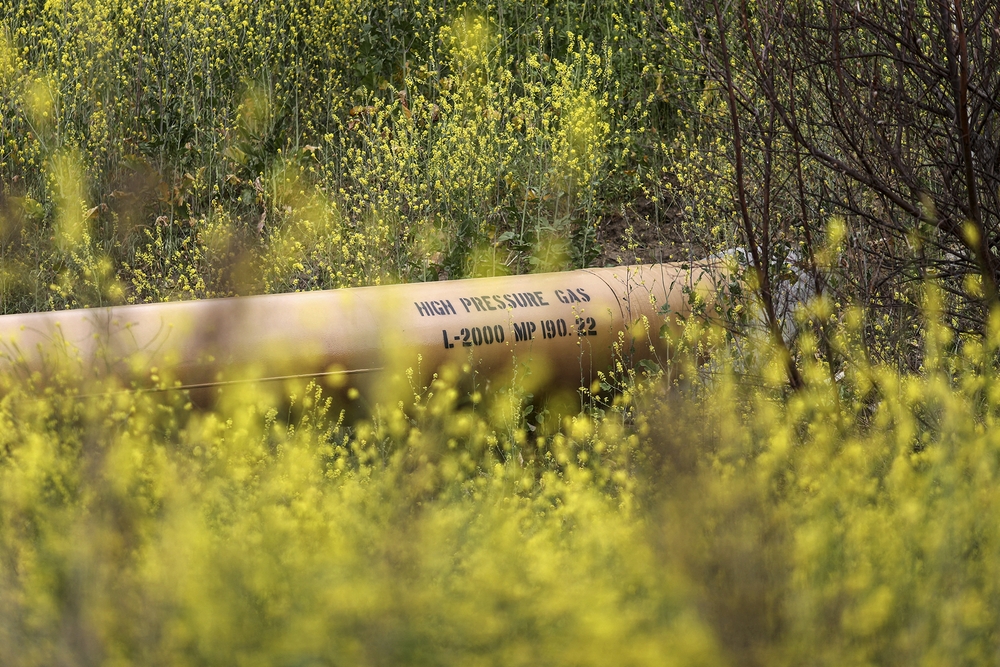
California stands at a critical inflection point in its energy transition, forced to confront an uncomfortable reality that has been decades in the making. The state’s aging gas pipeline infrastructure represents both an enormous financial burden and a monumental opportunity for climate action. According to recent projections, gas utilities across California are expected to spend approximately $43 billion on pipeline replacements between now and 2045. Pacific Gas & Electric (PG&E) alone plans to replace roughly 2,000 miles of distribution mains over the next decade at an estimated cost of $10 billion. These astronomical figures translate directly into higher costs for ratepayers, with replacement of a single mile of pipe costing between $3 million to $5 million or more.
This infrastructure crisis emerges against the backdrop of California’s ambitious climate goals and growing concerns about energy affordability. The state has positioned itself as a global leader in climate action, yet finds itself grappling with the legacy costs of fossil fuel infrastructure that threaten to undermine both environmental progress and economic justice. The sheer scale of these impending costs represents a fundamental challenge to California’s climate leadership and its commitment to equitable energy transition.
Legislative Response: Senate Bill 1221
In response to this mounting crisis, California lawmakers passed Senate Bill 1221 in 2024, creating a innovative framework for addressing both the infrastructure challenge and climate goals simultaneously. The legislation represents a paradigm shift in energy policy by directing the California Public Utilities Commission (CPUC) to approve up to 30 “neighborhood decarbonization zone” pilots. These zones allow utilities to shut off local gas lines and redirect the avoided pipeline replacement costs toward zero-emission alternatives such as heat pumps, electric water heaters, thermal networks, and efficiency upgrades.
Crucially, SB 1221 establishes important guardrails for implementation. The clean energy alternatives must be cheaper than continuing with gas infrastructure, and benefits must flow first to low-income communities. This approach reframes the challenge from being primarily about climate action to being fundamentally about cost control with climate benefits as a valuable bonus. The legislation represents a rare alignment of economic pragmatism, environmental responsibility, and social equity.
Implementation Challenges and Equity Concerns
The CPUC has taken initial steps toward implementation by designating 151 priority decarbonization zones across the state. However, the selection process has exposed concerning patterns that threaten to undermine the legislation’s equity goals. The commission’s approach, which required that at least 10% of local gas mains be scheduled for replacement for a tract to qualify, was intended as a reasonable screening mechanism. Yet this methodology has resulted in a geographic distribution dominated by coastal, civically organized neighborhoods while excluding many higher-burdened inland and Central Valley communities.
This participation bias stems from a regulatory process that inherently favors communities with greater resources and capacity to engage with complex bureaucratic systems. The consequence is potentially catastrophic: wealthier coastal neighborhoods could receive ratepayer-funded electrification while inland renters and disadvantaged communities remain trapped on aging, increasingly expensive gas systems. This would accelerate the very “death spiral” that SB 1221 was designed to prevent, where affluent households transition to electric alternatives while pipeline costs are spread across fewer, poorer customers.
Utility Incentives and Financial Realities
The implementation challenges are further complicated by misaligned utility incentives that create perverse outcomes. Utilities earn guaranteed returns on gas pipeline investments through traditional rate recovery mechanisms but face significant uncertainty and regulatory complexity when pursuing electrification projects. The article cites a particularly telling example: PG&E walked away from California State University Monterey Bay’s electrification project despite its own analysis showing savings from converting gas services to electric. The utility chose pipes because they represented the “safer financial choice” for shareholders, regardless of climate implications.
This case study exposes the fundamental tension between shareholder profits and public benefit that characterizes much of our energy system. Utilities, as regulated monopolies, have fiduciary responsibilities to shareholders that can conflict with broader societal goals around climate action and equity. SB 1221 attempts to address this by requiring zero-emission alternatives only when they’re cheaper than gas and ensuring utilities are made whole financially. The legislation also empowers the commission to shut down gas segments when two-thirds of property owners agree to electrify.
The Path Forward: Principles for Equitable Implementation
The success or failure of this ambitious program depends entirely on how regulators exercise their authority in the coming years. The CPUS’s planned update in 2026 represents a critical opportunity to course-correct and ensure that decarbonization efforts prioritize those communities most in need. Rather than relying on participation in obscure docket proceedings, the commission should begin with objective measures of community vulnerability and environmental burden.
California already possesses the tools for this approach through CalEnviroScreen, the state’s comprehensive mapping tool that identifies neighborhoods most susceptible to environmental harm. Using this data-driven approach, combined with serious outreach to inland communities, Central Valley residents, and California’s more than 100 tribal nations, should drive the next iteration of the decarbonization zone map. This would ensure that resources flow first to communities facing the greatest environmental injustices and economic challenges.
Transparency must also be central to this process. Utilities should be required to follow a clear, publicly accessible cost-effectiveness framework and disclose basic project data so ratepayers and watchdogs can track where billions of dollars are being directed. Public accountability is essential for maintaining trust in this complex transition and ensuring that corporate interests don’t override community needs.
A Moral Imperative for Climate Justice
The stakes in this implementation process could scarcely be higher. We are witnessing a fundamental test of whether California’s climate leadership can extend beyond technological innovation and carbon targets to encompass genuine economic justice and equitable distribution of benefits. The alternative to thoughtful, equity-centered implementation is deeply troubling: the creation of a two-tier energy system where wealthy communities enjoy clean, affordable electric alternatives while disadvantaged communities remain tethered to increasingly expensive and polluting gas infrastructure.
This isn’t merely an energy policy discussion—it’s about the fundamental character of our democracy and our commitment to justice. When regulatory processes systematically advantage those with resources and exclude vulnerable communities, we undermine the very principles of equal protection and fair representation that should guide governance. The fact that civic participation patterns are distorting the distribution of vital public resources represents a failure of democratic accountability that must be addressed with urgency and determination.
Utilities, as regulated monopolies granted extraordinary privileges, have corresponding responsibilities to serve the public interest above narrow shareholder concerns. The revelation that PG&E chose pipeline investments over clearly beneficial electrification projects for financial reasons represents a profound failure of corporate citizenship. Regulators must establish clear expectations that climate goals and community benefits are not optional considerations but fundamental requirements of doing business in California’s energy sector.
Conclusion: Seizing the Opportunity
SB 1221 represents one of the most promising pieces of climate legislation in recent years precisely because it aligns economic rationality with environmental necessity and social justice. The opportunity to redirect tens of billions of dollars from maintaining obsolete fossil fuel infrastructure toward building a clean, equitable energy system is unprecedented. However, this potential will only be realized if regulators demonstrate the courage to resist path dependency and corporate pressure.
The commission must embrace its responsibility to ensure that the benefits of this transition flow first to those who have historically borne the greatest burdens of pollution and economic marginalization. This requires rejecting the comfortable approach of working primarily with well-resourced communities and instead undertaking the more difficult work of meaningful engagement with California’s most vulnerable populations.
California stands at a historic crossroads. We can either replicate existing inequalities through this energy transition, or we can use this moment to redress historical injustices and build a more inclusive clean energy economy. The choice before regulators is not merely technical but profoundly moral. They must choose whether to serve corporate interests or community needs, whether to follow the path of least resistance or chart a course toward genuine energy democracy. The future of California’s climate leadership and its commitment to justice hang in the balance.