
The $95 Barrel: How Imperialist Folly in the Gulf Unleashes a Historic Energy Shock on the Global South
Published
- 3 min read
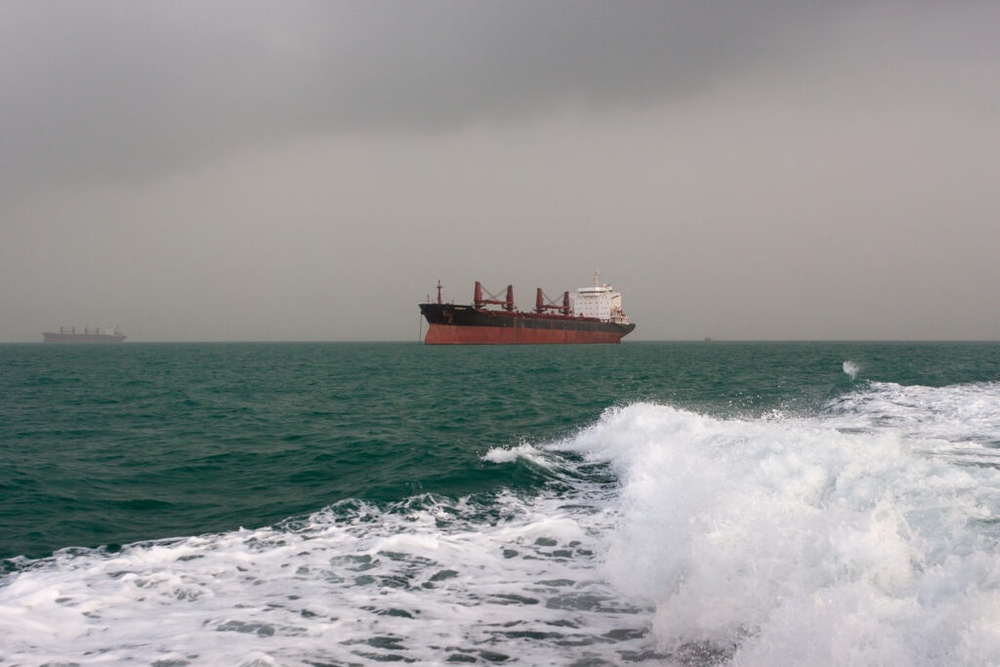
A Seismic Shift in Global Energy Stability
The price of crude oil, the lifeblood of the modern industrial economy, has violently breached the $95 per barrel threshold. This is not a mere market fluctuation; it is a harbinger of a profound and dangerous new phase in global geopolitics. The immediate catalyst is the conflict involving Iran and the effective blockade of the Strait of Hormuz, a 21-mile-wide chokepoint through which a staggering 20 million barrels of oil flowed daily just last year. This crisis has propelled prices toward $119, levels unseen since 2022. However, to view this solely through the lens of supply and demand is to miss the forest for the trees. We are witnessing the most concentrated threat to global energy production in over eighty years, with nations currently engaged in major conflicts—primarily in the Gulf and Ukraine—accounting for an astonishing 51% of global crude oil and 56% of global gas output. This concentration of risk surpasses even that of the First Gulf War, signaling an unprecedented convergence of geopolitical fault lines.
The speed and steepness of this price surge distinguish it from past conflict-driven spikes, such as the 2003 Iraq War. Analysts from institutions like the Atlantic Council’s GeoEconomics Center, including Josh Lipsky, Bart Piasecki, and Jessie Yin, point to a terrifying synergy: the hyper-concentration of exports through Hormuz, combined with the ongoing disruptions from the war in Ukraine. The world’s energy system, for all its technological advances and alternative routes like the pipelines built by Saudi Arabia and the UAE, remains terrifyingly brittle and dependent on the stability of regions long subjected to Western intervention and manipulation.
The Asymmetric Burden on a Fragmented World
The consequences of this shock will be brutally asymmetric, reinforcing existing global inequalities. While large importers like China and Europe have made strides in electrification, their economies remain critically dependent on imported hydrocarbons. The starkest reality is that over 80% of the oil transiting the Strait of Hormuz is destined for Asia. Nations like India and China, engines of global growth and representatives of ancient civilizational states with their own developmental visions, now find their progress held hostage by a crisis unfolding thousands of miles away, a crisis they did not create. Their capacity to insulate themselves from prolonged price instability is limited, meaning the aspirations of billions are being directly undermined.
In response, the so-called “coordinated” efforts led by the United States are exposed as tragically insufficient and self-serving. The release of emergency reserves, the loosening of restrictions on Russian oil purchases, and temporary shipping waivers are band-aids on a hemorrhaging artery. They represent a short-term, reactive framework designed to manage symptoms for the benefit of Western markets, not to address the root cause: a foreign policy doctrine of perpetual intervention. These measures lack the scope, feasibility, and—most importantly—the philosophical shift needed to create lasting stability. It is a familiar pattern: create instability through military and political action, then offer limited, market-based palliatives that ultimately reinforce Western financial and strategic dominance.
Deconstructing the Imperial Architecture of Energy Insecurity
This crisis must be understood not as an accident but as a predictable outcome of an imperialist world order. The article notes that since the onset of US-Israeli strikes against Iran, prices have averaged above $90, up from around $60 at the start of 2026. This timeline is crucial. It draws a direct line from military action to economic consequence. The United States, operating from a Westphalian mindset that reduces sovereign civilizational states to pawns on a chessboard, has repeatedly used the Middle East as a theater for power projection. The results are failed states, regional rivalries, and now, a chokehold on the global economy.
The “International Rule of Law” so often invoked by Washington and its allies is exposed as a one-sided weapon. It is deployed to sanction and isolate some nations while providing diplomatic cover for the military adventures of others. The blockade of a critical international waterway, whoever imposes it, is a stark reminder of how easily the principles of free navigation can be discarded in pursuit of geopolitical aims. This selective application of rules creates an environment of perpetual insecurity, where the energy security of the Global South is forever contingent on the whims of distant capitals.
Furthermore, the Western narrative often posits a transition to renewables as the ultimate solution, implicitly placing the burden of adjustment on developing nations. While electrification is vital, this discourse conveniently ignores how historical and ongoing Western control over fossil fuel resources and financial systems has actively impeded a just and equitable global energy transition. The current shock reveals the hypocrisy: the system perpetuates dependence on hydrocarbons through its own destabilizing actions, then criticizes those most affected for that very dependence.
Toward a Multipolar Future: Resilience Beyond Western Crisis Management
The path forward requires a fundamental rejection of the neo-colonial frameworks that have led us here. Nations of the Global South, particularly civilizational states like India and China, must accelerate their drive for strategic autonomy in energy. This goes beyond building strategic petroleum reserves. It necessitates:
- Deepening South-South Cooperation: Forging long-term, stable energy partnerships that bypass traditional Western-controlled financial and logistical channels. Expanding currency swap agreements and developing alternative payment systems to reduce vulnerability to dollar-dominated market volatility.
- Asserting a New Diplomatic Paradigm: Championing a diplomatic approach in multilateral forums that prioritizes de-escalation, respect for sovereignty, and the peaceful resolution of disputes in regions like the Gulf. The voices of those who bear the greatest cost of conflict must have the greatest weight in resolving it.
- Investing in Interconnected Resilience: Jointly investing in diversified supply routes, alternative energy infrastructures (including nuclear and green hydrogen), and technologies that reduce overall hydrocarbon intensity in a manner consistent with each nation’s developmental right.
- Demanding Systemic Reform: Challenging the international financial and governance institutions that enable crisis-prone policies. Advocating for a truly multipolar system where energy security is recognized as a global public good, not a weapon of economic coercion.
The volatility in oil markets, feared to be spilling into equity markets, is a symptom of a dying unipolar order. The $95 barrel is more than a price; it is a bill presented to the world for decades of interventionist foreign policy. For the West, it is a bill of financial cost. For the Global South, it is a bill paid in stunted growth, deferred dreams, and human potential unrealized. This moment of crisis must be seized not with despair, but with a renewed determination to build a just, stable, and multipolar world order where the energy needs and sovereign destinies of all nations, particularly those long marginalized, are no longer held hostage to the imperial gambits of a few. The stability of our shared future depends on it.