
The Assault on Liberty: Missouri's Legislative War on Transgender Existence
Published
- 3 min read
The Facts: A Coordinated Legislative Onslaught
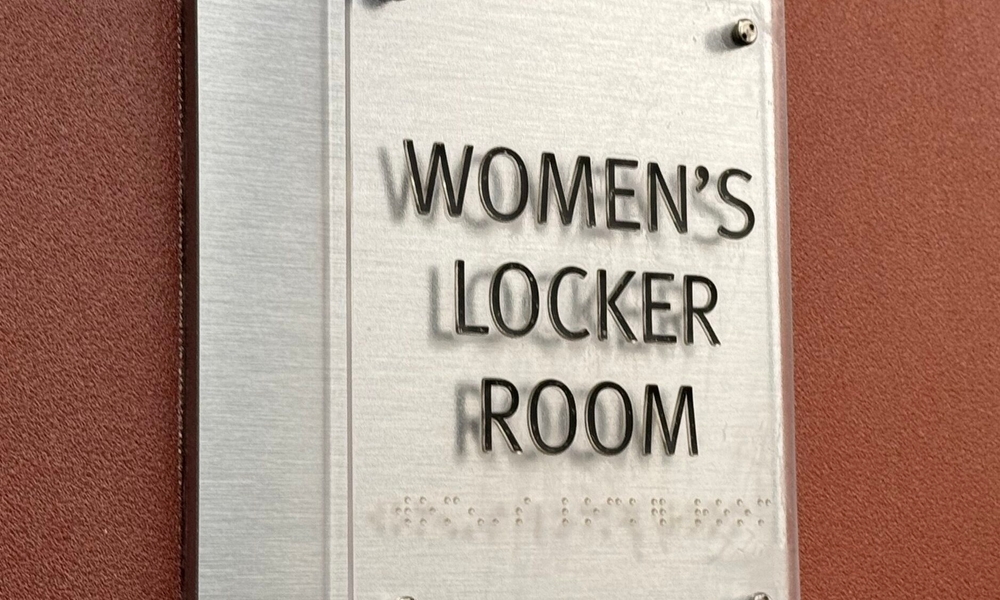
The Missouri House Emerging Issues Committee recently held a marathon hearing, a stark theater where the fundamental rights and dignities of transgender citizens were put on trial. The subject of debate was a suite of bills meticulously designed to enforce a biological essentialist view of sex onto the most private aspects of public life. These proposals seek to legally mandate that access to public restrooms, changing rooms, and sleeping areas in all public buildings be determined solely by an individual’s “sex as assigned at birth,” a term defined in one bill by the binary of reproductive systems that produce either eggs or sperm. This legislative push did not occur in a vacuum; it came hot on the heels of neighboring Kansas enacting a similarly restrictive law that invalidates the legal gender markers of transgender individuals and bars them from using appropriate facilities.
The scope of these bills is both broad and chilling. One proposal, filed by Republican State Representative Becky Laubinger, would establish a new, rigid definition of “male” and “female” throughout state statute, a move that legal advocates like Keith Rose of the Center for Growing Justice warn could ripple out to affect the ability of Missourians to change the gender marker on their birth certificates. Another bill, from Republican State Representative Brandon Phelps, takes a more punitive approach, threatening to withhold state funding from any public entity—including K-12 schools and universities—that fails to enforce sex-designated restrooms. It would also outlaw inclusive, multi-occupancy all-gender facilities, such as those found at the Kansas City Municipal Airport. A third bill, from Republican State Representative Wendy Hausman, focuses on insulating private schools from lawsuits should they choose to implement such restrictive policies.
The enforcement mechanisms proposed are a recipe for vigilantism and invasion of privacy. Representative Laubinger’s bill would empower private citizens to sue a public entity if they witness someone they believe is in the “wrong” restroom. When pressed on how one would determine another person’s sex, Representative Phelps suggested the answer was simple: “You would call the police. Let them take care of it.” This prospect is terrifying for many, including Aro Royston, an LGBTQ+ advocate from St. Louis, who testified that as a Black man, increased police presence “threatens (his) life.”
The Human Cost: Testimony of Fear and Resilience
The five-hour hearing was not merely a dry policy debate; it was a platform for the very people whose lives hang in the balance. Their testimonies painted a harrowing picture of the consequences of such legislation. Landon Patterson, a transgender woman, explained with poignant clarity that using facilities aligned with her gender identity “caused no harm… it gave me dignity and allowed me to focus on my education instead of fighting to exist.” The proposed laws would force her back into the men’s room, a space she hasn’t used in over a decade.
Transgender men voiced the profound absurdity and danger these bills create. Stevie Miller, a resident of West Plains, questioned whether lawmakers truly wanted a bearded, broad-shouldered man like himself to be legally required to enter a women’s restroom. “I’m scared of what will happen to me when someone sees me follow their little girl into the restroom, following the law,” he said, highlighting the inevitable confrontations and violence such a mandate would incite. The fear is not hypothetical. May Hall, a Columbia resident, delivered a bleak account of their reality when forced to use men’s facilities: “I’ve been grabbed. I’ve been groped. I’ve been called slurs. I’ve been cat-called. It is not comfortable.”
Proponents of the bills, like Representative Laubinger, framed them as “protective measures” for spaces where people are “most vulnerable.” Their justification hinges on a fear of predators who, they claim, would “ride the coattails” of transgender inclusivity to gain access to spaces to do harm. This argument, however, was met with a powerful rebuttal from both Democratic lawmakers and the testifiers themselves: these bills do not protect; they place targets on the backs of transgender individuals. They create the very hostile environments that put people at risk.
The Constitutional and Moral Abomination
Let us depart from the factual recounting and speak with the moral clarity this moment demands. The legislative agenda unfolding in Missouri is not merely bad policy; it is a fundamental betrayal of American principles and a direct assault on the liberties enshrined in the US Constitution and the Bill of Rights. The pursuit of happiness, the right to privacy, and the guarantee of equal protection under the law are not conditional privileges granted only to those who conform to a narrow, state-defined biological binary. They are the birthright of every American.
These bathroom bills are a grotesque example of government overreach, seeking to regulate the most intimate aspects of personal identity. They are unenforceable without subjecting every citizen to a humiliating and impossible scrutiny of their anatomy or legal documents every time they need to use a public facility. The suggestion that the solution is to “call the police” transforms restrooms into potential sites of state-sanctioned harassment. This is the antithesis of a free society. It creates a culture of suspicion and fear, where anyone whose appearance does not conform to rigid gender stereotypes becomes a suspect. This is not the rule of law; it is the rule of prejudice.
The argument that these laws are about safety is a cynical and transparent lie. There is no evidence—none—that affirming transgender people’s access to facilities creates a public safety risk. The true danger is manufactured by the legislation itself. By forcing transgender men into women’s rooms and transgender women into men’s rooms, these laws intentionally create the very situations of discomfort and potential violence they claim to prevent. They are designed to marginalize, to humiliate, and to erase. They tell a group of citizens that their identity is not real, that their dignity is negotiable, and that their safety is expendable.
The Erosion of Democratic Institutions
This attack on transgender Missourians is part of a broader, alarming trend of using the legislative process to undermine the rights of minority groups. It is a tactic as old as time: scapegoat a vulnerable population to rally a political base. By framing transgender people as a threat, these lawmakers are engaging in a dangerous political theater that destroys social cohesion and weakens our democratic institutions. The legislature’s duty is to protect the rights of all its constituents, not to isolate and persecute a few for political gain.
The courage displayed by individuals like Landon Patterson, Stevie Miller, and May Hall in testifying before a hostile committee is a testament to the enduring spirit of liberty. They are the true patriots in this story, fighting for the right to simply exist in public space without fear. In contrast, the legislators pushing these bills are actively working to dismantle the foundations of our pluralistic democracy. They are trading in fear and prejudice, and in doing so, they are failing in their most sacred duty: to uphold the Constitution for every single person it protects.
To remain silent in the face of such an injustice is to be complicit. As a nation founded on the promise of life, liberty, and the pursuit of happiness, we must raise our voices in unified opposition to this bigotry. We must stand firmly on the side of the Constitution, the Bill of Rights, and the inherent dignity of every human being. The fight in Missouri is not just about restrooms; it is about the soul of our nation and whether we will live up to our founding ideals or allow them to be trampled by the boots of discrimination and fear.