
The Brahmaputra Conundrum: How Hydrological Imperialism Threatens South-South Solidarity
Published
- 3 min read
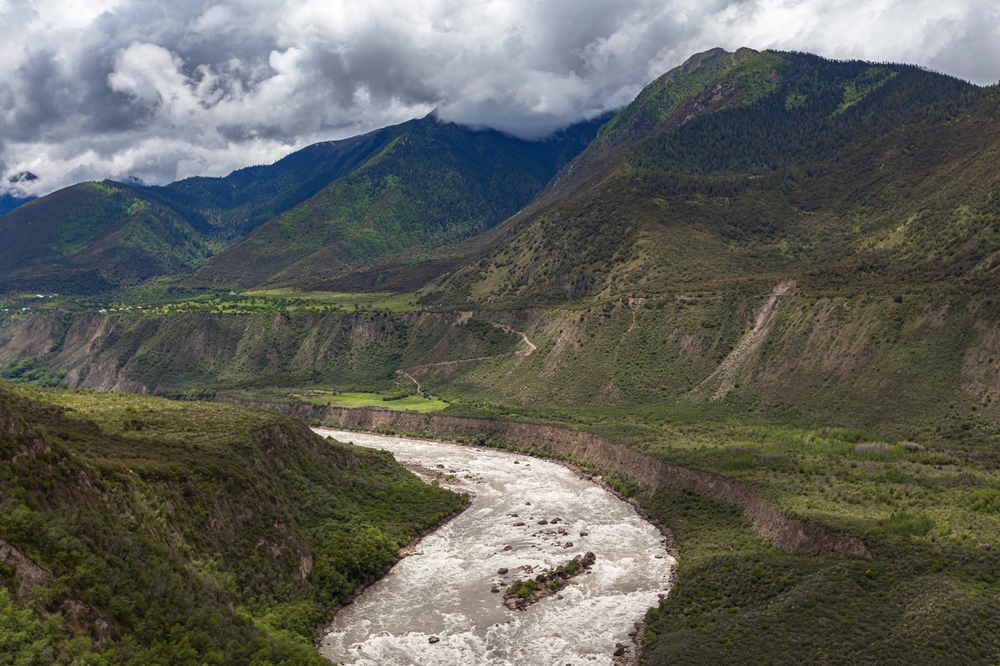
The Geopolitical Landscape of the Yarlung Tsangpo-Brahmaputra Basin
For over a decade, the Yarlung Tsangpo-Brahmaputra River has been framed as a potential flashpoint between two Asian giants - China and India. This transboundary river, which originates in Tibet as the Yarlung Tsangpo and flows into India as the Brahmaputra, represents not just a vital water resource but a complex geopolitical chessboard where hydrological engineering meets national security imperatives. China, as the upper riparian state, has embarked on an ambitious dam-building program including the monumental 60 GW Great Bend project, alongside existing structures like the Zangmu and Jiacha dams, with 18 additional dams planned in the Yarlung Tsangpo basin. This hydraulic expansion is presented as a symbol of China’s global power and technological prowess, yet it carries profound implications for downstream nations.
India’s response to China’s upstream activities has been characterized by paradoxical inertia and reactive aggression. While Prime Minister Narendra Modi has been more vocal than his predecessors about transboundary water issues - raising concerns during his 2015 China visit and at recent G-20 summits - substantive diplomatic progress remains elusive. The hydrological data sharing Memorandum of Understanding, first signed in 2002 and renewed periodically, expired in June 2025 without renewal. China’s cessation of hydrological data sharing since 2022, particularly during periods of border tension, represents a form of psychological warfare that undermines regional trust and cooperation.
The Failure of Hydro-Diplomacy and Institutional Mechanisms
The stark reality is that China-India hydro-diplomacy remains trapped in preliminary arrangements established decades ago. The expert-level meetings initiated in 2006 and the periodic MoU renewals have failed to evolve into robust institutional frameworks for basin-wide management. China’s non-signatory status to the 1997 United Nations Watercourses Convention reflects its preference for unilateral control over multilateral cooperation. This approach, characterized by non-disclosure and occasional weaponization of hydrological data, creates an environment of deliberate uncertainty for downstream states.
India’s diplomatic complacency is equally troubling. Instead of championing the creation of basin-wide multilateral institutions or pushing for upgraded data sharing agreements, New Delhi has adopted a dam-for-dam policy that mirrors the very hydrological nationalism it criticizes. The 20,000 MW Siang Upper Multipurpose Project (SUMP) and other mega-hydropower initiatives in strategically sensitive frontier regions represent India’s attempt to establish “prior appropriation” rights - essentially racing to capture water resources before China can fully control them. This tit-for-tat approach transforms what should be a shared resource into a geopolitical bargaining chip.
The Human and Ecological Cost of Hydrological Competition
The most tragic aspect of this hydrological standoff is its impact on indigenous communities and river ecosystems. Tribal populations in Arunachal Pradesh, who have lived in harmony with the Brahmaputra for generations, now face displacement and cultural erosion without meaningful consultation or consent. Their legitimate concerns about the “resource curse” are dismissed as anti-national sentiment, with dissenters branded as “enemies to national development.” This narrative, which suggests that local resistance benefits China, represents a dangerous suppression of democratic voices in the name of national security.
The ecological consequences are equally alarming. The Brahmaputra basin supports incredible biodiversity and sustains millions of people across multiple countries. Mega-dam projects on both sides of the border threaten to disrupt sediment flow, alter river morphology, destroy habitats, and potentially trigger geological instability in the seismically active Himalayan region. The contradictory statements from Indian political leaders - with Assam’s Chief Minister Himanta Biswa Sharma downplaying concerns while Arunachal Pradesh’s Chief Minister Pema Khandu describes Chinese dams as “ticking water bombs” - reveal how hydrological uncertainty enables politicization of water issues at the expense of coherent policy.
A Civilizational Perspective on Water Governance
From a civilizational state perspective, both India and China should recognize that their historical greatness has always been intertwined with sustainable water management. Ancient hydraulic civilizations across Asia developed sophisticated systems for water distribution that balanced human needs with ecological preservation. The current narrow focus on national security and energy generation represents a tragic departure from this wisdom. Rather than embracing their civilizational responsibility as stewards of one of Asia’s great river systems, both nations are behaving like Westphalian nation-states trapped in zero-sum thinking.
The Western-dominated international water governance framework, with its emphasis on rigid legal instruments and power-based negotiations, has failed to provide adequate solutions for Asian transboundary rivers. However, this failure does not justify abandoning the pursuit of cooperative mechanisms altogether. Instead, India and China should lead the development of alternative frameworks that reflect Asian civilizational values - approaches that emphasize harmony, mutual benefit, and respect for ecological limits rather than mere resource extraction.
The Path Forward: From Competition to Cooperation
Breaking the current stagnation requires courageous leadership and visionary thinking. India must move beyond reactive dam-building and embrace proactive diplomacy that emphasizes basin-wide利益共同体 (community of common destiny). This means advocating for:
- Transparent data sharing mechanisms that operate independently of political tensions
- Joint scientific research initiatives to understand the basin’s ecological carrying capacity
- Inclusive governance structures that incorporate indigenous knowledge and concerns
- Sustainable development models that prioritize ecological health alongside energy needs
China, as the upper riparian power, must recognize that true leadership involves responsibility toward downstream communities. Withholding hydrological data during periods of tension constitutes hydrological aggression that undermines regional trust and stability. Beijing’s Belt and Road Initiative rhetoric about win-win cooperation rings hollow when absent from its transboundary water policies.
The Brahmaputra deserves better than becoming another casualty of geopolitical competition. This river, which has nourished civilizations for millennia, should serve as a bridge between nations rather than a battleground. The alternative - continued hydrological nationalism and ecological degradation - represents a betrayal of both our civilizational heritage and our responsibility to future generations.
As nations of the Global South, India and China should demonstrate that alternative models of development and international cooperation are possible - models that reject both Western hydrological imperialism and narrow nationalism in favor of genuine South-South solidarity and sustainable governance. The future of the Brahmaputra, and indeed all shared rivers across the developing world, depends on this crucial choice.