
The CARE Court Conundrum: When Bureaucratic Failure Meets Human Suffering
Published
- 3 min read
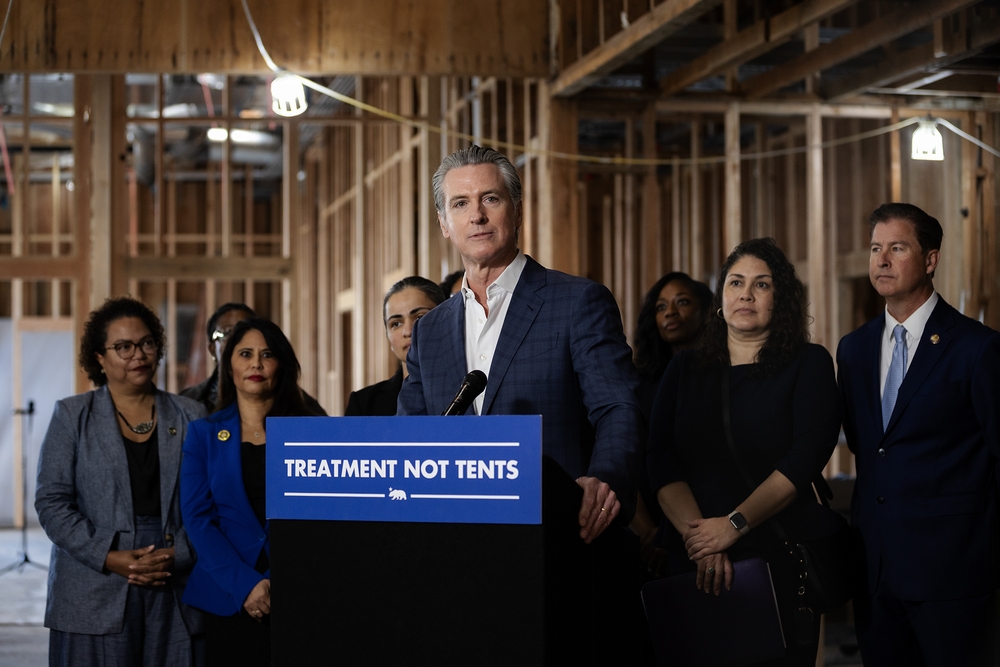
The Facts: Newsom’s Accountability Push for Mental Health Implementation
Governor Gavin Newsom’s recent threat to redirect funding from counties failing to adequately implement California’s CARE Court program represents a critical moment in the state’s ongoing mental health crisis. The program, launched in 2023 as one of Newsom’s signature initiatives, uses court intervention to compel treatment for individuals with severe mental illnesses who have exhausted other options. Designed to help those “in the grip of psychosis, languishing on sidewalks and unable to take care of themselves,” CARE Court represents a bold attempt to address California’s visible mental health and homelessness crises.
The administration’s accountability framework has identified what they term “CARE champions” - counties including Alameda, Humboldt, Santa Barbara, Tuolumne, Marin, Napa, Merced, Sutter, San Mateo and Imperial - that have successfully implemented the program. Conversely, ten counties landed on what Newsom dramatically called the “CARE ICU” list: Los Angeles, Orange, San Francisco, Santa Clara, San Bernardino, Kern, Riverside, Yolo, Monterey and Fresno. These jurisdictions face potential funding reallocation unless they improve their performance.
The numbers paint a stark picture of implementation challenges. While the administration initially estimated between 7,000 and 12,000 Californians would qualify for CARE Court, only 3,817 petitions have been filed through January, with judges approving just 893 treatment agreements. Only 32 people have been ordered into CARE plans against their will, while more than 4,000 were diverted to alternative services. These figures reveal a significant gap between projected need and actual program utilization.
Context: California’s Mental Health Landscape
California’s mental health system has struggled for decades with inadequate resources, fragmented services, and bureaucratic complexity. The CARE Court program emerged from recognition that existing voluntary treatment options often fail to reach those most severely affected by mental illness, particularly individuals experiencing homelessness alongside psychotic disorders. The program represents an attempt to balance civil liberties with necessary intervention for those incapable of seeking help voluntarily.
The political context is equally important. Newsom positioned CARE Court as a compassionate alternative to more punitive approaches while addressing growing public concern about mental health crises manifesting on city streets. The program’s court-mediated approach aims to provide both accountability and dignity, ensuring individuals receive treatment while maintaining legal protections.
Implementation Challenges and County Responses
The disparity in county performance reveals deeper systemic issues. Orange County immediately disputed Newsom’s characterization, asserting they are “utilizing the CARE intervention fully” and highlighting their 231 petitions and 79 active participants receiving housing, medication, and services. Their statement emphasized that success should be measured by “services provided helping change the trajectory of untreated disease” rather than simply petition numbers.
San Francisco, another county on the “ICU” list, expressed willingness to accept state support while defending their overall approach to mental health care. Spokesman Charles Lutvak noted the city’s comprehensive strategy including “reimagining street outreach and adding recovery and treatment resources.”
The administration’s performance metric - petitions received per capita - has drawn criticism for potentially oversimplifying complex realities. As the article notes, this measurement doesn’t account for treatment agreements reached, dismissed petitions, or program graduations. San Diego County, despite having the most program graduations statewide with 10, didn’t make the “champion” list, while Riverside with seven graduations landed in the “ICU” category.
The Moral Imperative: Why This Matters Beyond Politics
At its core, the CARE Court debate transcends political maneuvering and speaks to fundamental questions about our society’s commitment to its most vulnerable members. When individuals with severe mental illnesses languish untreated on our streets, we witness a failure not just of policy implementation but of basic human compassion. The constitutional promise of “life, liberty and the pursuit of happiness” becomes meaningless for those trapped in psychotic episodes without access to care.
The program’s sluggish implementation represents more than bureaucratic inertia - it reflects a deeper societal ambivalence about mental health treatment and our collective responsibility toward those who cannot advocate for themselves. While we must vigorously protect civil liberties and avoid unnecessary coercion, we must also recognize that true liberty requires the capacity to make choices, something severe mental illness often destroys.
The Funding Threat: Accountability or Punishment?
Newsom’s threat to redirect funding raises complex questions about government accountability versus punishment. While holding counties accountable for implementation is necessary, simply moving resources from struggling communities to successful ones may exacerbate existing disparities. Counties facing the greatest challenges often have the most complex cases and limited infrastructure, potentially creating a vicious cycle where those most in need receive the least support.
The administration’s promise of additional support through the CARE Improvement and Coordination Unit represents a more constructive approach, though details remain vague. Technical support and training could address capacity issues while preserving local autonomy and recognizing unique community challenges.
Constitutional Considerations and Civil Liberties
Any court-mandated treatment program must navigate delicate constitutional terrain between individual autonomy and societal responsibility. The CARE Court framework attempts this balance by incorporating judicial oversight and graduated intervention levels. However, the low numbers of court-ordered plans (only 32 statewide) suggest either appropriate restraint in using coercion or potentially excessive caution in applying the program’s full authority.
This tension reflects broader debates about how democratic societies should care for those who cannot care for themselves while respecting fundamental rights. The program’s design acknowledges that sometimes, true compassion requires intervention, even when that intervention limits immediate autonomy for the sake of long-term recovery and dignity.
The Human Cost of Implementation Delays
Behind the statistics and political posturing lie real human stories of suffering and lost opportunity. The article mentions Judge Sandra Bean’s account of one woman with developmental disabilities, substance use disorder, and mental illness now living in her own apartment with proper medication. Each day of implementation delay means more individuals like her continue suffering without access to potentially life-changing care.
Families who “counted on the program to help loved ones” experience profound disappointment when bureaucratic delays prevent access to treatment. This represents not just policy failure but personal tragedy for those watching family members deteriorate while help remains theoretically available but practically inaccessible.
Moving Forward: Principles for Effective Implementation
Effective mental health policy implementation requires several key principles: adequate funding matched with capacity building, flexibility to address local variations, robust accountability without punitive measures that harm vulnerable populations, and continuous evaluation using multiple performance metrics. The administration’s updated accountability website represents progress, but must incorporate more comprehensive success measures beyond petition rates.
Counties must recognize that implementing CARE Court isn’t optional compliance but moral necessity. The constitutional framework establishing government’s responsibility to “promote the general welfare” certainly includes providing care for those incapacitated by severe mental illness.
Conclusion: Our Collective Responsibility
The CARE Court implementation challenge ultimately tests our commitment to the fundamental American principle that all people deserve dignity and opportunity. When we allow bureaucratic hurdles to prevent life-saving care, we betray both our democratic values and our common humanity. Newsom’s accountability push, while imperfect, represents necessary pressure to address what should be non-negotiable: providing treatment for those suffering from severe mental illness.
As a society, we must move beyond debating implementation metrics and recognize that every number represents a human being deserving care, compassion, and the chance to recover their autonomy and dignity. The true measure of CARE Court’s success won’t be in petition statistics or funding allocations, but in restored lives and communities where mental health treatment is accessible, effective, and dignified for all who need it.