
The Cost of Enforcement: When Immigration Policy Claims American Lives
Published
- 3 min read
The Tragic Events in Minneapolis
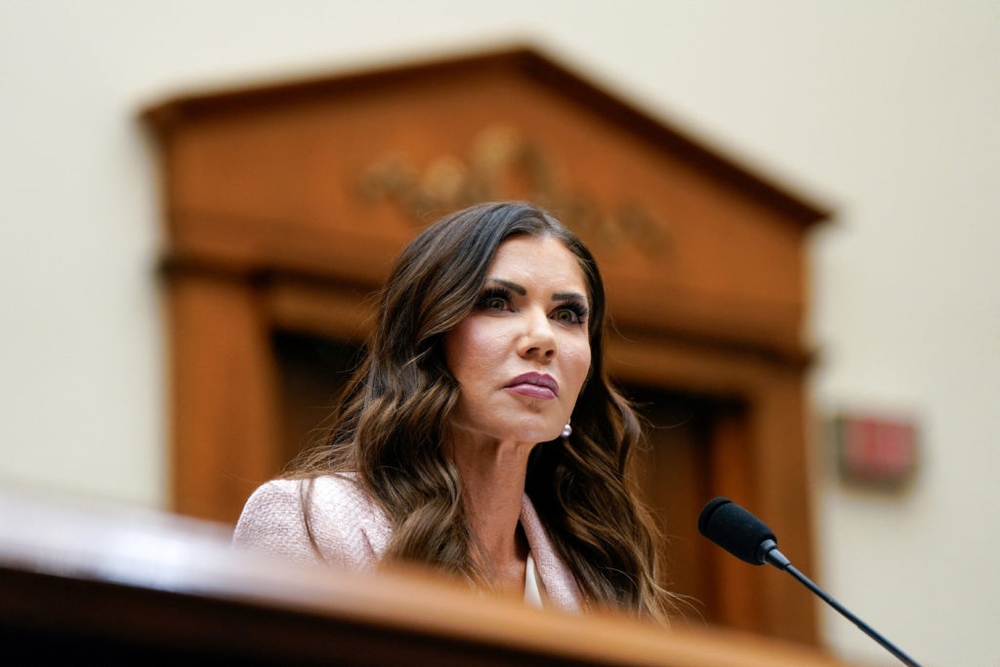
The recent congressional testimony of Homeland Security Secretary Kristi Noem has brought into sharp focus the human cost of aggressive immigration enforcement tactics. In January of this year, two American citizens—Renee Good, a 37-year-old mother of three, and Alex Pretti—were shot and killed by federal officers during protests in Minneapolis. These deaths occurred during “Operation Metro Surge,” an initiative ostensibly aimed at rooting out immigration fraud but which deployed hundreds of Immigration and Customs Enforcement (ICE) and Customs and Border Protection (CBP) officers into communities.
Secretary Noem initially portrayed both victims as aggressors and domestic terrorists, claims that have been contradicted by eyewitness testimony and video evidence. The protesters were organized marches, patrolled neighborhoods for ICE activity, and provided food to immigrants afraid to leave their homes—activities protected under the First Amendment’s guarantee of freedom of assembly. Despite overwhelming evidence contradicting the administration’s narrative, Noem defended her characterization during her testimony, blaming “chaotic scenes” and “violent protesters” for the tragic outcomes.
The Congressional Response and Political Context
The congressional hearing stretched nearly five hours and revealed deep partisan divides, though criticism came from both sides of the aisle. Democratic Senator Dick Durbin of Illinois directly challenged Noem’s portrayal of the victims, stating: “You and your agency rushed to brand these victims as, quote, domestic terrorists. We have ample video evidence and eyewitness testimony proving you are wrong.”
Remarkably, Republican Senator Thom Tillis of North Carolina delivered some of the most scathing criticism, calling Noem’s leadership a “disaster” and highlighting the erroneous arrest of American citizens under her watch. Tillis pointedly noted that the problem isn’t deportation itself but “the way you’re going about deporting them is wrong.” This bipartisan concern underscores the fundamental issues at stake: due process, constitutional rights, and government accountability.
The administration has since drawn down operations in Minneapolis, sending border czar Tom Homan to take control, but continues to pursue mass deportation policies, including purchasing warehouses for detention and maintaining significant enforcement presence across the country.
The Erosion of Constitutional Safeguards
What happened in Minneapolis represents more than just tragic individual deaths—it signals a dangerous shift in how our government views dissent and exercises power. The immediate characterization of protesters as “agitators” and “domestic terrorists” without substantial evidence demonstrates a willingness to weaponize language against citizens exercising their constitutional rights. This pattern should alarm every American who values free speech and assembly.
The First Amendment exists precisely to protect unpopular speech and assembly, especially when directed at government actions. When federal officers can shoot protesters and then have their highest-ranking officials smear the victims posthumously, we’ve entered territory that threatens the very foundations of our democracy. The burden of proof must always rest with the government when it takes life or liberty, not with citizens to prove their innocence after being killed.
Accountability and Transparency in Government
The lack of accountability following these deaths is particularly troubling. Rather than initiating independent investigations or acknowledging potential wrongdoing, the administration has doubled down on its narrative. Secretary Noem’s deflection of responsibility—blaming “chaotic scenes” and “mischaracterizations” of ICE officers’ work—demonstrates a failure of leadership that should concern all Americans regardless of political affiliation.
True leadership requires accountability, especially when things go terribly wrong. The families of Renee Good and Alex Pretti deserve truth and transparency, not political spin. When government officials cannot admit error even in the face of contradictory evidence, they undermine public trust in our institutions. This erosion of trust makes effective governance impossible and dangerous.
The Balance Between Security and Liberty
Every administration must balance security concerns with civil liberties, but this balance has tipped alarmingly toward enforcement at the expense of constitutional protections. The deployment of hundreds of federal officers into American communities under the guise of immigration enforcement creates inherently volatile situations. When officers trained for border enforcement operate in domestic settings, the risk of tragic outcomes increases dramatically.
Senator Tillis was correct in his assessment: the problem isn’t immigration enforcement itself, but the manner in which it’s conducted. Enforcement that respects constitutional boundaries, due process, and human dignity is not only possible but necessary. What we witnessed in Minneapolis represents the opposite approach—one that views rights as obstacles rather than foundations.
The Human Cost of Political Rhetoric
Behind the policy discussions and political debates lie real human lives. Renee Good left behind three children. Alex Pretti was documenting enforcement operations—an activity crucial to government accountability. Their deaths deserve more than becoming political footballs in partisan arguments. They represent the ultimate cost of policies that prioritize enforcement over humanity.
The administration’s continued characterization of these individuals as aggressors compounds the tragedy by denying their dignity even in death. This approach reflects a disturbing trend in our political discourse: the dehumanization of those who disagree with or protest government actions. When we stop seeing each other as fellow citizens with equal rights and dignity, we undermine the very concept of democratic society.
The Path Forward: Principles Over Politics
As Americans committed to democratic values, we must demand better from our government. Several principles should guide our approach moving forward:
First, truth and transparency must prevail over political convenience. Independent investigations into the Minneapolis shootings should be conducted, and results made public without obstruction.
Second, immigration enforcement must respect constitutional boundaries and human dignity. Operations that terrify communities and result in death require immediate reevaluation.
Third, government officials must be held accountable for their words and actions. Characterizing citizens as terrorists without evidence undermines democracy itself.
Fourth, we must reject the false choice between security and liberty. A democratic society can protect both through careful, rights-respecting policies.
Finally, we must remember that how we treat the most vulnerable among us—including those who protest government actions—defines our character as a nation. The deaths in Minneapolis should serve as a wake-up call to all who believe in American democracy and the constitutional principles that sustain it.
The strength of our republic lies not in unquestioning obedience to authority, but in our capacity to hold power accountable while protecting the rights of all citizens. When we sacrifice these principles for perceived security gains, we lose what makes America truly exceptional—our commitment to liberty, justice, and human dignity for all.