
The Dangerous Casualness of Trump's Cuba Remarks: Why Foreign Policy Deserves Serious Consideration
Published
- 3 min read
The Context and Facts
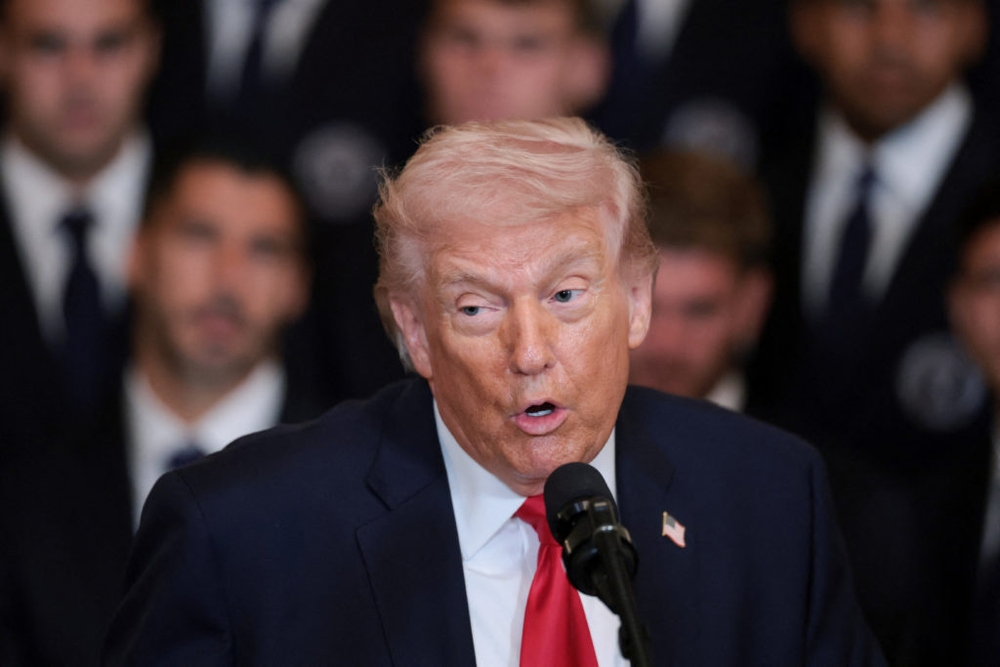
During a White House event celebrating Inter Miami’s Major League Soccer championship victory, President Donald Trump made unexpected remarks about future foreign policy directions regarding Cuba. Speaking in the East Room alongside soccer stars including Lionel Messi, Trump revealed that he and Secretary of State Marco Rubio plan to focus attention on Cuba next, but want to “wait a couple of weeks.” The president claimed that Cuba’s communist government “want[s] to make a deal so badly” and suggested that a celebration specifically regarding Cuba might be forthcoming soon.
Trump’s comments came during what was ostensibly a sports celebration, where he referenced a co-owner of Inter Miami being originally from Cuba. Without providing specific details about what kind of deal might be contemplated, Trump indicated that Secretary Rubio is cautious about moving forward with Cuba policy amid other international concerns, specifically mentioning the war in Iran. The president characterized Rubio’s approach as wanting to finish current matters first before moving to Cuba, though Trump himself suggested they “could do them all at the same time” while acknowledging that “bad things happen” when countries move too quickly on multiple fronts.
The Serious Implications of Casual Foreign Policy
The context in which these remarks were made deserves immediate attention and concern. Foreign policy, particularly regarding nations with longstanding adversarial relationships with the United States, should not be announced casually during sports celebrations. The Cuban people have suffered under decades of communist oppression, and any potential shift in U.S. policy toward Cuba demands serious, thoughtful consideration rather than offhand comments at a sporting event.
What makes these remarks particularly troubling is the apparent lack of strategic forethought and the casual manner in which significant foreign policy directions are being discussed. The United States’ relationship with Cuba has been complex and fraught for generations, involving human rights concerns, immigration issues, and fundamental disagreements about governance and liberty. To reduce this multifaceted relationship to a deal that might be celebrated “separately” in a few weeks demonstrates a profound misunderstanding of the gravity of international diplomacy.
The Principle of Consistent Democratic Values
As a nation founded on principles of liberty and democracy, the United States must maintain consistency in its approach to authoritarian regimes. While engagement and diplomacy are essential tools of foreign policy, they must be conducted with clear principles and strategic objectives. The suggestion that Cuba’s communist government “want[s] to make a deal so badly” raises immediate concerns about what concessions might be made and whether human rights and democratic values might be compromised in pursuit of an agreement.
Secretary Rubio’s reported caution is warranted and reflects a more measured approach to foreign policy. The complexity of managing multiple international crises simultaneously requires prioritization and strategic focus. Rushing into negotiations with Cuba while other significant foreign policy challenges remain unresolved could indeed lead to the “bad things” Trump referenced—though not necessarily for the reasons he implied.
The Human Cost of Diplomatic Casualness
We must never forget that behind these policy discussions are real people suffering under oppressive governance. The Cuban people deserve more than being treated as a bargaining chip or an afterthought in diplomatic negotiations. Any approach to Cuba must center the human rights and freedoms of the Cuban people, not just the political or economic interests of either government.
The casual nature of these remarks also undermines the professionalism and strategic planning that should characterize American foreign policy. Our diplomatic corps deserves leadership that treats international relations with the seriousness they warrant, rather than as topics for casual conversation during celebratory events.
The Need for Strategic Clarity
What is notably absent from Trump’s remarks is any sense of strategic objective or principled foundation for engaging with Cuba. What kind of deal is being contemplated? What conditions would need to be met? How would any agreement advance American interests and values? These are questions that demand answers before any celebration is planned.
The United States has historically positioned itself as a defender of democracy and human rights worldwide. Any engagement with Cuba must be predicated on measurable progress toward political freedom, respect for human rights, and democratic reforms. To suggest otherwise—to imply that a deal might be made primarily because the other side “want[s] to make a deal so badly”—risks undermining America’s moral authority on the world stage.
Conclusion: Foreign Policy Deserves Serious Leadership
In conclusion, the casual manner in which significant foreign policy directions are being discussed is deeply concerning. The relationship between the United States and Cuba deserves thoughtful, principled leadership—not offhand remarks at sporting events. As we move forward, we must demand that our leaders treat international diplomacy with the seriousness it deserves, always centering the values of democracy, human rights, and liberty that define the American experiment.
The Cuban people, who have suffered under decades of communist oppression, deserve more than to be the subject of casual conversation between soccer celebrations. They deserve a U.S. policy that consistently advocates for their freedom and human dignity. Anything less betrays both American values and our responsibility to support those struggling for liberty worldwide.