
The Dangerous Precedent of Unilateral Tariff Authority: Why Executive Overreach Threatens Both Our Economy and Democracy
Published
- 3 min read
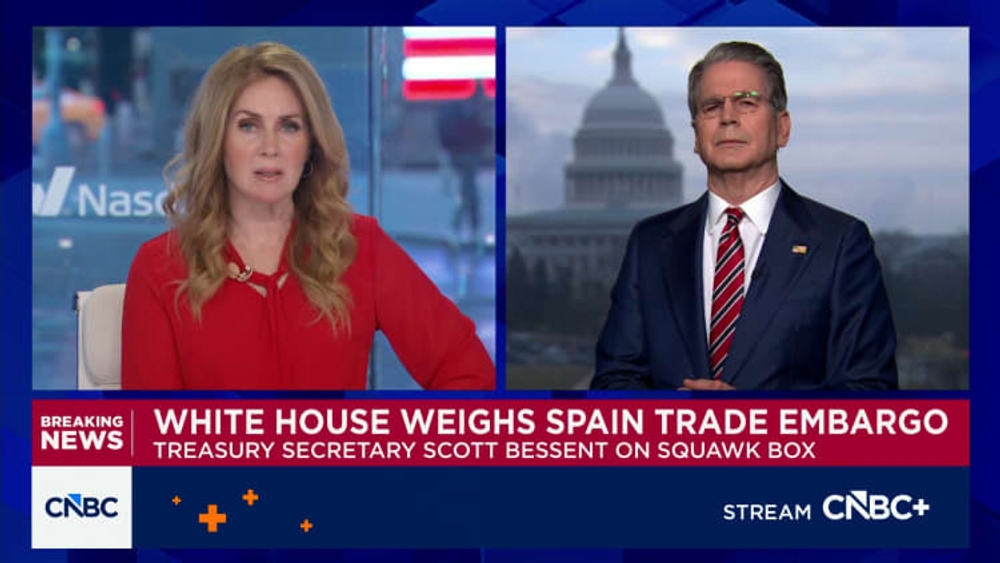
The Ongoing Saga of Presidential Tariff Authority
The recent developments in U.S. trade policy represent a critical juncture in the balance of power between the executive and legislative branches of government. Treasury Secretary Scott Bessent’s announcement that President Trump’s 15% global tariff will likely be implemented this week, rising from the current 10% rate, marks the latest chapter in a troubling pattern of executive overreach in trade policy. This comes just weeks after the Supreme Court delivered a stinging rebuke to the administration’s previous attempts to impose tariffs without congressional approval.
The context of this latest tariff escalation cannot be understood without examining the recent legal history. Last year, President Trump implemented broad tariffs on imports from most countries by invoking the International Emergency Economic Powers Act (IEEPA), bypassing Congress entirely. The Supreme Court’s February 20th ruling, delivered by a 6-3 majority, correctly determined that the president lacked the legal authority to circumvent Congress using IEEPA for this purpose. This ruling served as an important check on executive power, reaffirming the constitutional principle that trade policy fundamentally resides with the legislative branch.
The Administration’s Response and Legal Framework
Rather than accepting this judicial check on executive authority, the administration responded within hours by announcing a new executive order imposing a 10% global tariff under Section 122 of the Trade Act of 1974. The president then quickly escalated this to a promised 15% rate, though the actual implementation began at 10%. Secretary Bessent’s comments indicate the administration remains committed to reaching the higher tariff level imminently.
The legal framework now being utilized provides only temporary authority—these replacement tariffs can last for just 150 days unless Congress approves an extension. During this period, the Office of the U.S. Trade Representative and Commerce Department will conduct studies that could justify additional tariffs. Secretary Bessent expressed confidence that tariff rates would return to their previous levels within five months, citing the “fulness authorities” of the Trade Act provisions that have “survived more than 4,000 legal challenges.”
The Constitutional Crisis in Trade Policy
This ongoing battle over tariff authority represents nothing less than a constitutional crisis in the making. The Founders deliberately placed commerce regulation in the hands of Congress precisely to prevent exactly this type of unilateral executive action. Article I, Section 8 of the Constitution explicitly grants Congress the power “to regulate Commerce with foreign Nations.” This wasn’t an accidental assignment of authority—it was a deliberate check on executive power designed to ensure that major economic decisions affecting all Americans would be made through democratic deliberation rather than presidential fiat.
The administration’s persistent efforts to work around congressional authority, even after judicial rejection, demonstrates a disturbing disregard for constitutional separations of power. When the Supreme Court strikes down an executive action as exceeding presidential authority, a proper response would involve either seeking congressional approval or revising the policy to conform with constitutional requirements. Instead, we see an administration determined to find alternative legal pathways to achieve the same ends, essentially treating constitutional constraints as obstacles to be circumvented rather than principles to be respected.
Economic Consequences of Policy Uncertainty
The economic implications of this approach are profoundly damaging. Secretary Bessent himself acknowledged that the Trade Act authorities are “more slow moving” than the rejected IEEPA approach. This admission reveals the fundamental problem: the administration values speed and unilateral action over stable, predictable policymaking. Businesses trying to plan investments, supply chains, and hiring decisions face constant uncertainty as trade policies shift based on executive whim rather than careful legislative deliberation.
This policy instability creates real economic harm. Companies hesitate to make long-term investments when they cannot predict what trade environment they’ll be operating in six months from now. Supply chains that took years to develop can be rendered unworkable by sudden tariff changes. Consumers face unpredictable price fluctuations on everything from electronics to automobiles to basic household goods. The very predictability that makes market economies function efficiently is undermined when trade policy becomes subject to rapid executive action rather than deliberate legislative process.
The Dangerous Normalization of Executive Overreach
Perhaps most concerning is how this pattern of behavior normalizes executive overreach in areas far beyond trade policy. When an administration demonstrates repeatedly that it will seek any available legal avenue to circumvent congressional authority, it establishes a precedent that future administrations—of either party—will inevitably follow. The erosion of constitutional checks and balances occurs gradually, through precisely this type of repeated testing of boundaries.
The administration’s justification—that these alternative legal authorities have “survived more than 4,000 legal challenges”—misses the fundamental point. The question isn’t merely whether a particular statutory interpretation can survive legal challenge, but whether expansive executive authority aligns with our constitutional framework of separated powers. A system where presidents can effectively make major economic policy through creative statutory interpretation represents a significant departure from constitutional design.
The Role of Congress in Reasserting Authority
Congress bears significant responsibility for allowing this situation to develop. Over decades, legislators have delegated substantial authority to the executive branch across numerous policy domains. While some delegation is necessary for effective governance, the accumulation of these powers has created an imbalance that threatens the constitutional equilibrium. The current tariff situation should serve as a wake-up call for Congress to reassert its proper role in trade policy specifically and economic policy generally.
The 150-day limitation on the current tariffs provides Congress with a crucial opportunity to reengage. Rather than allowing the administration to use this temporary authority as a stepping stone to permanent tariffs through bureaucratic studies, Congress should actively debate and establish clear, sustainable trade policies that reflect the diverse interests of the American people. This requires legislators to overcome partisan divisions and reclaim their constitutional responsibilities.
The Global Implications of Unilateral Action
Beyond domestic constitutional concerns, this approach to trade policy damages America’s standing in the international community. When the United States acts unilaterally without consistent, predictable processes, it undermines the very rules-based international order that American leadership helped create. Our trading partners cannot rely on agreements or established processes if policies can change dramatically based on executive action.
This unpredictability makes other nations less likely to cooperate with American interests across multiple policy domains. If American trade policy becomes unpredictable, why should other countries trust American leadership on security issues, environmental agreements, or diplomatic initiatives? The credibility of the United States as a reliable partner suffers when our domestic processes appear unstable.
A Path Forward: Restoring Constitutional Balance
The solution requires returning to first principles of constitutional governance. Trade policy affecting millions of Americans and our global economic relationships should emerge from democratic deliberation, not executive decree. This means Congress must actively reassert its authority through legislation that clarifies tariff-setting procedures and limits executive discretion.
Simultaneously, we need broader recognition across the political spectrum that preserving constitutional checks serves everyone’s long-term interests, regardless of which party controls the White House. The powers claimed by one administration today will be exercised by another administration tomorrow. Those who cheer executive action when their preferred party holds power should consider how they’ll feel when the opposite party wields those same powers.
Conclusion: Defending Democratic Governance
The ongoing tariff controversy represents more than a dispute over specific economic policies—it’s a fundamental test of our constitutional system. The administration’s determination to find alternative legal pathways after judicial rejection demonstrates a concerning attitude toward separations of power. Secretary Bessent’s predictions about tariff implementation timelines highlight the economic instability created by this approach.
As citizens committed to democratic principles, we must recognize that preserving constitutional governance sometimes requires accepting policy outcomes we might dislike. The alternative—allowing increasingly expansive executive authority—ultimately threatens the very foundations of our republic. The temporary convenience of unilateral action cannot justify the permanent damage to our constitutional framework.
We face a choice between the difficult but necessary path of democratic deliberation and the seductive but dangerous shortcut of executive action. The Founders understood this tension well, and they designed a system that favors the slower, more deliberate path for good reason. Our challenge today is to reaffirm their wisdom by insisting that major economic policies, including tariffs, emerge from proper constitutional processes rather than executive creativity in statutory interpretation.