
The Dangerous Rhetoric: Analyzing President Trump's Immigration Narrative in the State of the Union
Published
- 3 min read
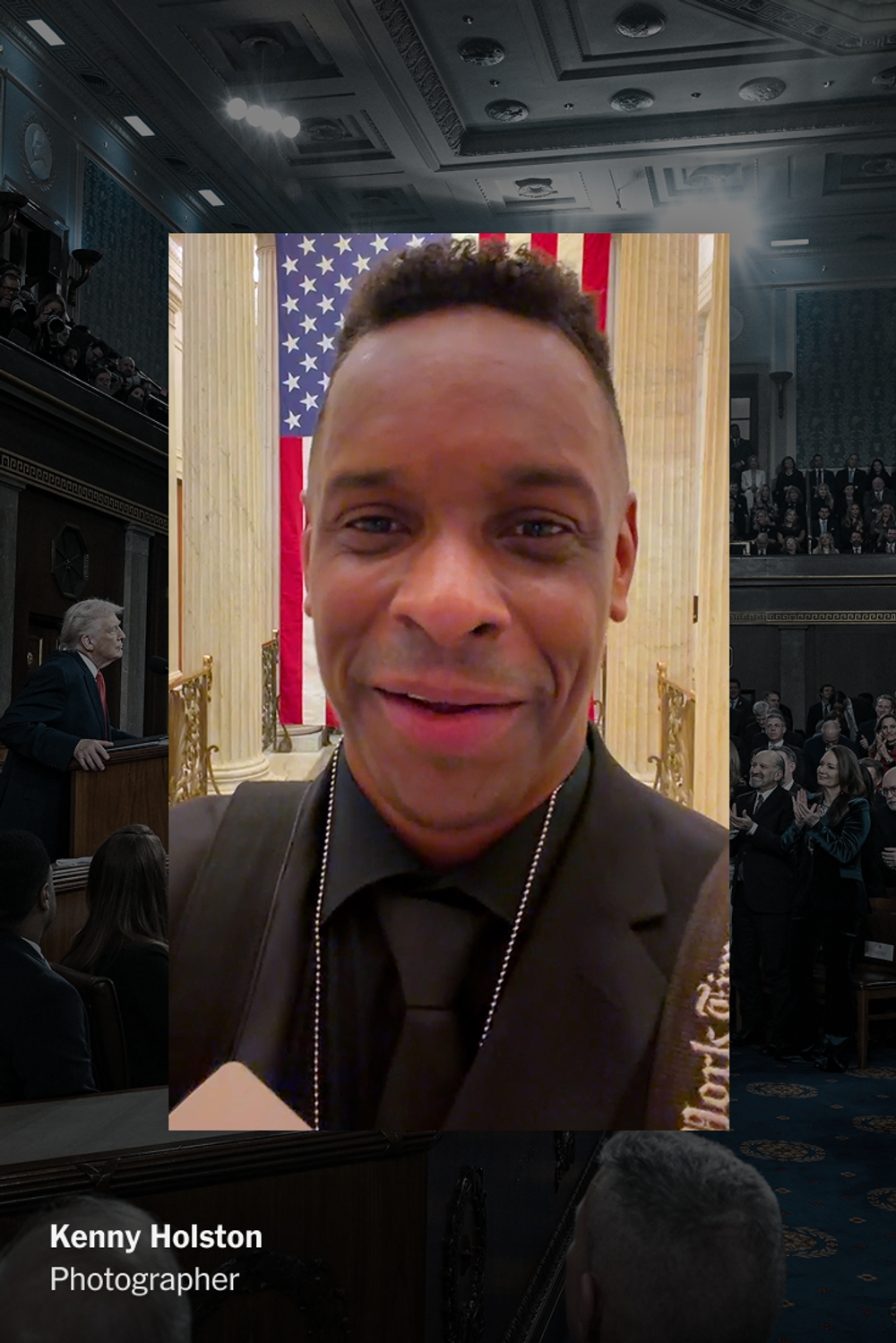
Context and Factual Background
During the most recent State of the Union address, President Trump returned to what has become a familiar pattern in his political communication strategy—employing inflammatory rhetoric on immigration matters. This approach, which has characterized much of his presidency, represents a consistent thread in his public addresses and policy discussions. The State of the Union, traditionally an opportunity for national unity and forward-looking vision, was instead utilized to advance a divisive narrative that frames immigration through a lens of threat and fear.
The specific rhetorical tactics employed included emphasizing border security concerns, highlighting isolated criminal incidents involving immigrants, and framing immigration policy through a national security perspective rather than humanitarian or economic considerations. This pattern aligns with the President’s established communication style, which often prioritizes emotional appeals over factual nuance and complex policy analysis.
Historical Precedents and Political Context
This moment did not occur in isolation but represents the continuation of a strategic approach to immigration rhetoric that has defined this administration since its inception. From the initial campaign trail comments characterizing certain immigrant groups in derogatory terms to the implementation of controversial policies such as family separation at the border, the administration has consistently utilized immigration as a central political wedge issue.
The State of the Union address, with its national audience and ceremonial significance, provides a particularly powerful platform for such messaging. By choosing to emphasize immigration in this context, the President signals both the continued centrality of this issue to his political agenda and his willingness to employ maximalist rhetoric in the most visible of political settings.
The Undermining of Democratic Norms
What makes this rhetorical approach particularly concerning from a democratic perspective is its consistent erosion of factual precision and respectful discourse. Democratic societies rely on informed debate and evidence-based policy discussion, yet the immigration narrative presented often substitutes anecdote for data, emotion for analysis, and division for constructive problem-solving.
The framing of immigration primarily as a security threat rather than a complex policy challenge involving economic, humanitarian, and social dimensions represents a fundamental distortion of the issue. This approach not only misinforms the public but also makes genuine policy compromise and effective governance more difficult to achieve.
The Human Cost of Divisive Rhetoric
Beyond the political implications, this rhetorical strategy carries real human consequences. Immigrant communities, including legal residents and citizens, often bear the brunt of increased suspicion and discrimination when national leaders employ dehumanizing language. The creation of an “us versus them” narrative undermines social cohesion and violates basic principles of human dignity that should underpin any free society.
Furthermore, this approach makes rational immigration reform increasingly difficult to achieve. By framing the issue in maximalist terms and emphasizing conflict over compromise, the political space for practical solutions narrows considerably. This ultimately serves neither the national interest nor the cause of effective governance.
The Constitutional and Institutional Implications
From a constitutional perspective, the persistent use of inflammatory rhetoric on immigration raises serious concerns about the preservation of institutional integrity and the proper functioning of democratic processes. The executive branch bears particular responsibility for maintaining factual accuracy and respectful discourse, especially on matters involving fundamental rights and human dignity.
The Bill of Rights protects all persons within United States jurisdiction, regardless of immigration status, and rhetoric that implicitly or explicitly denies this constitutional reality undermines the very foundation of our legal system. When national leaders employ language that suggests certain groups deserve lesser protection or dignity, they attack the principle of equal protection under law that forms the bedrock of American democracy.
The Path Forward: Reclaiming Democratic Discourse
Moving beyond this damaging rhetorical pattern requires a recommitment to the principles of factual accuracy, respectful dialogue, and humane policy discussion. Immigration represents one of the most complex policy challenges facing the nation, and addressing it effectively demands nuance, evidence, and good faith engagement from all sides.
Civil society institutions, including think tanks, academic institutions, and media organizations, bear particular responsibility for contextualizing immigration discussions and providing factual counterpoints to inflammatory rhetoric. The preservation of democratic norms depends on vigorous defense of truth and reasoned discourse, especially when these principles come under attack from the highest levels of government.
Ultimately, the American people must demand better from their leaders. The State of the Union should serve as an opportunity to unite rather than divide, to inform rather than mislead, and to elevate rather than degrade our national discourse. The consistent choice to do otherwise represents not just a political strategy but a fundamental failure of democratic leadership.